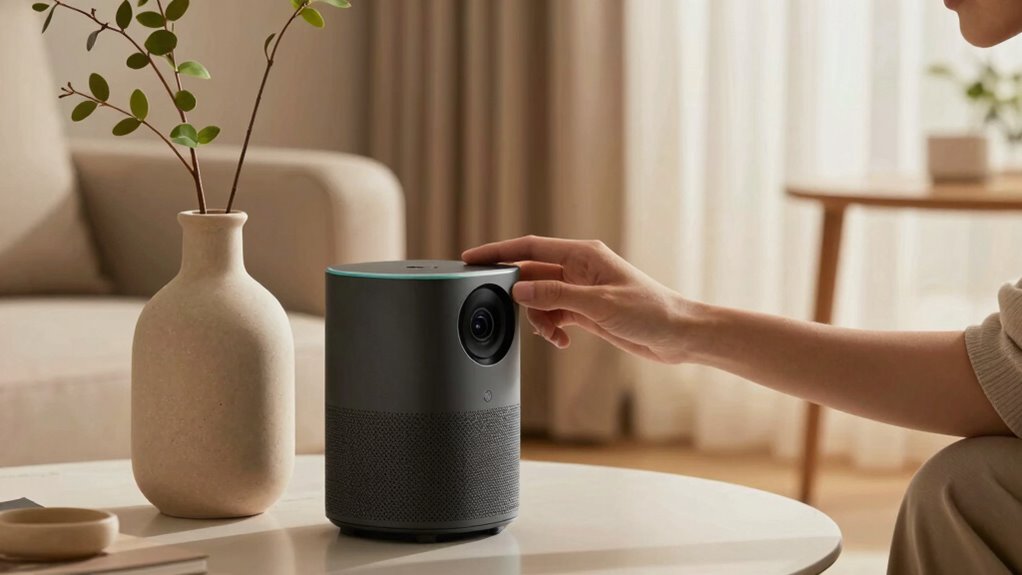

Including privacy in your home device planning is essential to protect your personal data from misuse or breaches. Devices often collect sensitive information, so securing that data with encryption and strong passwords is critical. Giving yourself control over privacy settings and staying informed about security measures help prevent unauthorized access. By prioritizing privacy from the start, you can enjoy smart home convenience without sacrificing security. Want to discover more ways to keep your smart home safe and private?
Key Takeaways
- Incorporating privacy ensures personal data is protected from misuse and unauthorized access.
- Planning for privacy minimizes security vulnerabilities and reduces the risk of hacking.
- Clear privacy considerations build user trust and promote responsible device usage.
- Integrating privacy features helps users retain control over their personal information.
- Proactively addressing privacy during planning enhances overall smart home security and peace of mind.
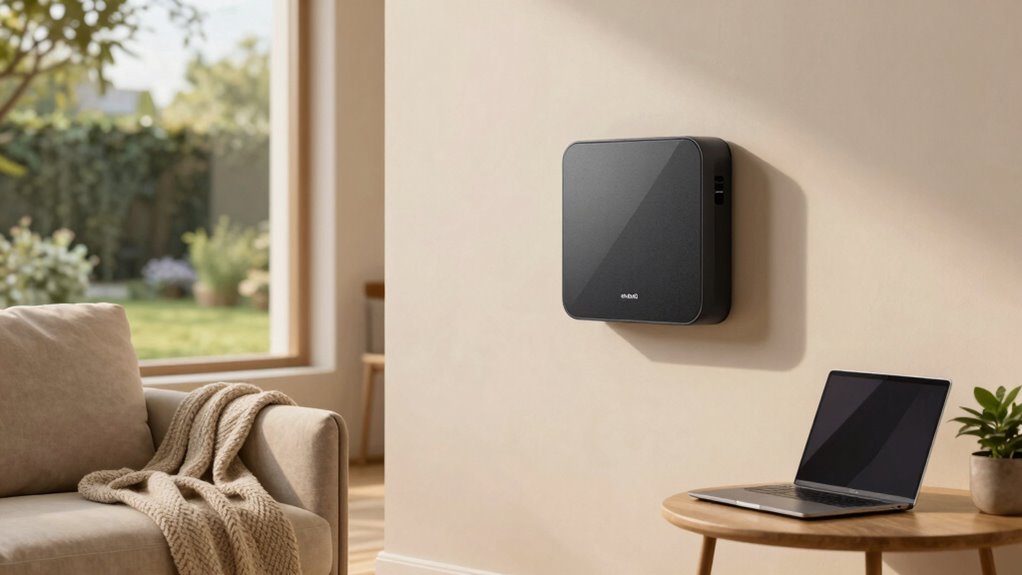
As smart home devices become more integrated into daily life, protecting your privacy has never been more important. When you set up devices like smart speakers, cameras, or thermostats, you’re fundamentally allowing these gadgets to collect, transmit, and sometimes store personal data. That’s why considering privacy as a core part of your home device planning is essential. It’s not just about convenience; it’s about safeguarding your personal space and information from potential misuse or breaches. One of the key measures to protect your data is making sure that the devices use strong data encryption. Data encryption transforms your sensitive information into an unreadable format, making it nearly impossible for unauthorized parties to access your data during transmission or storage. When choosing devices, look for those that prioritize end-to-end encryption, which secures your data from the moment it leaves your device until it reaches the intended service. This added layer of security can greatly reduce the risk of hackers intercepting your personal information.
User consent is equally vital when it comes to protecting your privacy. Before installing or activating new devices, carefully review their privacy policies and settings. Manufacturers should clearly explain what data they collect, how it’s used, and whether it’s shared with third parties. As a user, you have the right to control your data, so make sure your device settings allow you to opt-in or opt-out of data collection features. Giving explicit user consent means you’re aware of and agree to the data practices involved, which helps prevent unwanted surprises later. It’s wise to regularly check and update your device permissions, especially if new features are added or updates are released. This way, you retain control over your information and can prevent unnecessary data sharing. Additionally, understanding the importance of privacy in home devices can help you make more informed choices about your technology. Being aware of data security measures** can also significantly improve your overall privacy protection. Regularly educating yourself on privacy best practices can further enhance your ability to safeguard your personal information. Staying informed about the latest privacy threats can help you respond quickly to potential risks and vulnerabilities**.
Incorporating privacy considerations into your home device planning isn’t just about ticking boxes; it’s about being proactive. Choose devices from reputable brands committed to transparency and strong security measures. Keep your software and firmware up to date, as updates often include security patches that protect against new vulnerabilities. Create a home network that’s secure, using strong passwords and enabling two-factor authentication where possible. By doing so, you’re not only making it harder for intruders to access your devices but also reinforcing your overall privacy. Ultimately, making privacy a priority when planning your home devices ensures that your smart home remains a safe, secure, and private space where technology serves you, not the other way around.

6monk AI Hidden Camera Detector, Professional Privacy Protection Device & Wireless Device Detector, 6 Sensitivity Levels, 4 Modes, Privacy Protector for Hotel, Office, Car, Travel
- 6-in-1 Privacy Protection: Optical, wireless, motion, magnetic, multi-mode, one-touch
- Adjustable Sensitivity & Alerts: 6 levels, LED indicators, silent vibration modes
- Dual-Sensor Full Coverage: 360° scanning, wider detection, fast and accurate
As an affiliate, we earn on qualifying purchases.
As an affiliate, we earn on qualifying purchases.
Frequently Asked Questions
How Can I Identify Privacy Risks in My Home Devices?
You can identify privacy risks in your home devices by checking if they use data encryption and require user authentication. Look for devices that encrypt your data during transmission and storage, preventing unauthorized access. Also, make sure they have strong user authentication methods like passwords or biometric verification. Regularly review device settings and permissions to see what data they collect and share, helping you spot potential privacy vulnerabilities.
Are There Secure Alternatives to Popular Smart Home Products?
Are there secure alternatives to popular smart home products? Absolutely. Think of choosing devices with robust data encryption and strong user authentication as building your digital fortress. These features guarantee your data remains private and inaccessible to outsiders. Seek out brands committed to security, prioritize open-source options, and verify their privacy policies. This way, you can enjoy the convenience of smart tech without compromising your home’s security or your personal privacy.
What Legal Protections Exist for Smart Device Privacy?
You’re protected by laws requiring data encryption and user consent for smart devices. Data encryption guarantees your information stays secure during transmission and storage. User consent means companies must inform you about data collection and give you control over it. These protections help prevent unauthorized access and give you rights over your data. However, stay vigilant and review privacy policies to ensure your smart home environment remains secure and private.
How Do Firmware Updates Affect Device Privacy and Security?
Firmware updates are like shields that protect your device’s privacy and security. Regular updates fix firmware vulnerabilities, closing gaps hackers could exploit, and improve security features. If you neglect update frequency, your device becomes more vulnerable over time, risking data breaches. Staying current with updates guarantees your device remains secure, maintaining your privacy and preventing potential attacks that could expose personal information or compromise your home’s network.
Can Privacy Settings Be Easily Customized for Each Device?
Yes, privacy settings can often be easily customized for each device. You can enable device encryption to protect your data and set up user authentication for added security. Many smart home devices offer user-friendly interfaces that let you adjust privacy preferences individually. This way, you control what information’s shared and guarantee your personal data stays secure, giving you peace of mind with each device in your home.
Conclusion
Remember, a house is only as secure as the privacy it offers. By prioritizing privacy in your home devices, you’re not just protecting your data—you’re safeguarding your peace of mind. Don’t wait until it’s too late to realize the importance of privacy; it’s the foundation of true comfort and security. As the saying goes, “A stitch in time saves nine.” Start planning for privacy now, and you’ll thank yourself later.