The best smartphone for journalists pairs dependable field performance with a camera, battery, and storage setup that fits the reporting day. I’d choose the Nothing Phone (3) as the best overall pick in this lineup for its 512GB storage and modern 5G platform; the Ulefone RugKing 5 Pro stands out for harsh assignments, while the Bigme HiBreak Pro offers an unusual e-paper screen for readers who value low-distraction use. The main tradeoffs are durability versus portability, conventional camera versatility versus specialized displays, and newer features versus the limits of older or entry-level models. A phone’s network compatibility and software support matter just as much as its headline specs. Read on for how these 11 options compare and which one fits your reporting work.

Get everyday essentials delivered free with Prime
- Fast, free delivery on millions of items
- Prime Video, Amazon Music and more included
- Member-only deals all year
Key Takeaways
- Nothing Phone (3) is the strongest general-purpose choice in this group: its 512GB capacity gives journalists more room for footage and documents than the 128GB Moto G Stylus 5G or Galaxy A17 5G.
- Rugged phones trade everyday convenience for protection-focused design. The Ulefone RugKing 5 Pro and 8849 Tank X suit rough field conditions better than standard phones, but their specialized builds are not a substitute for checking camera performance, weight, and network support.
- The TCL NXTPAPER 70 Pro prioritizes screen comfort and size, while the Bigme HiBreak Pro’s e-paper display serves a more specialized reading and note-taking workflow; neither replaces a conventional phone’s strengths for every assignment.
- Older and low-spec models require extra scrutiny. The Galaxy Note 5, 4G generic phone, and Moto G Play have tighter storage, aging software or weaker performance prospects compared with the newer 5G options.
- One item is not a smartphone: THE INNER VOICE Guided Journal is a paper journal, so it cannot meet a phone buyer’s reporting needs and should not be treated as a competing device.
| Motorola Moto G Stylus 5G (2024), Unlocked, 8GB RAM, 128GB Storage, 50MP Camera, Caramel Latte |  | Best for Field Notes | Operating system: Android 14 | Memory: 8GB RAM | Storage: 128GB | VIEW LATEST PRICE | See Our Full Breakdown |
| Ulefone RugKing 5 Pro Rugged Smartphone | 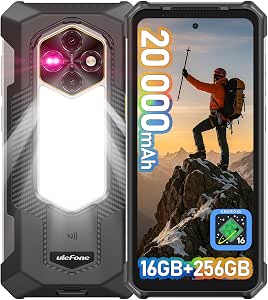 | Best for Remote Assignments | Operating system: Android 16 | Memory: 16GB listed (8GB physical plus 8GB virtual) | Storage: 256GB; microSD expansion up to 2TB | VIEW LATEST PRICE | See Our Full Breakdown |
| Samsung Galaxy Note 5 SM-N920I, 32GB, Factory Unlocked, Gold |  | Best for Basic Backup Use | Operating system: Android 5.1 Lollipop | Memory: 4GB RAM | Storage: 32GB | VIEW LATEST PRICE | See Our Full Breakdown |
| Nothing Phone (3) 5G Unlocked Smartphone, 512GB, Black |  | Best Premium Camera and Storage | Operating system: Android 15 | Processor: Snapdragon 8s Gen 4, up to 3.2GHz | Memory: 24GB LPDDR5X | VIEW LATEST PRICE | See Our Full Breakdown |
| TCL NXTPAPER 70 Pro Unlocked Android Phone, 6.9-Inch 120Hz Display, 8GB RAM, 512GB Storage |  | Best for Long Document Sessions | Operating system: Android 16 | Processor: MediaTek Dimensity 7300 | Memory: 8GB RAM, expandable up to 24GB total | VIEW LATEST PRICE | See Our Full Breakdown |
| 4G Unlocked Smartphone, 6.6″ HD Punch Screen, 4GB+32GB (256GB Expandable), Long-Lasting Battery 2A Fast Charge, 13MP+21MP Camera, Android 12, Face Unlock, OTG, 3-Card Dual SIM (Black) |  | Best for Long Reporting Days | Display: 6.6-inch HD punch display, 750 × 1520 | Processor: MT6739 quad-core | Operating system: Android 12 | VIEW LATEST PRICE | See Our Full Breakdown |
| Samsung Galaxy A17 5G Smartphone, 128GB, Black |  | Best for Long-Term Reporting Use | Display: 6.7-inch FHD+ Super AMOLED | Storage: 128GB | Expandable storage: Up to 2TB via microSD | VIEW LATEST PRICE | See Our Full Breakdown |
| 8849 Tank X 5G Rugged Smartphone with 1080p Projector |  | Best for Remote and Outdoor Assignments | Operating system: Android 15 | Processor: MediaTek Dimensity 8200 octa-core | Memory and storage: 16GB installed RAM; 32GB including virtual RAM; 512GB storage | VIEW LATEST PRICE | See Our Full Breakdown |
| Bigme HiBreak Pro 6.13″ Epaper Cell Phone 8+256 GB Android 14 OS Smart Phone, 5G Dual SIM, GPS, Black |  | Best for Reading and Document Review | Display: 6.13-inch electronic ink | Processor: MediaTek Dimensity 1080 | Operating system: Android 14 | VIEW LATEST PRICE | See Our Full Breakdown |
| Motorola Moto G Play (2024), Unlocked LTE Smartphone, 4GB RAM, 64GB Storage, 50MP Camera, Sapphire Blue |  | Best Simple LTE Backup Phone | Operating system: Android 13 | Processor: Qualcomm Snapdragon 680 4G, 2.4 GHz | Memory and storage: 4GB RAM, 64GB storage; expandable with microSD | VIEW LATEST PRICE | See Our Full Breakdown |
| THE INNER VOICE Guided Journal for Women & Men, 365 Prompts for Self Care |  | Not a Smartphone — Outside This Roundup | Product type: Guided journal | Page count: 396 pages | Prompt count: 365 | VIEW LATEST PRICE | See Our Full Breakdown |
| smartphones for journalist | Operating system | Display | Storage | Battery |
|---|---|---|---|---|
| Motorola Moto G Stylus 5G | Android 14 | 6.7-inch pOLED | 128GB | 5,000mAh; 30W TurboPower charging |
| Ulefone RugKing 5 Pro Rugged S | Android 16 | 6.78-inch FHD+ | 256GB; microSD expansion up to 2TB | 20,000mAh; 33W fast charging |
| Samsung Galaxy Note 5 SM-N920I | Android 5.1 Lollipop | 5.7-inch AMOLED, 1440 × 2560 | 32GB | 3,300mAh; wireless charging supported |
| Nothing Phone | Android 15 | 6.67-inch FHD+ 1.5K AMOLED, adaptive 120Hz | 512GB | 5,150mAh |
| TCL NXTPAPER 70 Pro Unlocked A | Android 16 | 6.9-inch FHD+ NXTPAPER 4.0, 120Hz | 512GB; microSD expansion up to 2TB | — |
| 4G Unlocked Smartphone | Android 12 | 6.6-inch HD punch display, 750 × 1520 | — | — |
| Samsung Galaxy A17 5G Smartpho | — | 6.7-inch FHD+ Super AMOLED | 128GB | — |
| 8849 Tank X 5G Rugged Smartpho | Android 15 | — | — | — |
| Bigme HiBreak Pro 6.13" Epaper | Android 14 | 6.13-inch electronic ink | — | 4,500mAh |
| Motorola Moto G Play | Android 13 | 6.5-inch HD+, up to 90Hz | — | 5,000mAh lithium-ion |
| THE INNER VOICE Guided Journal | — | — | — | — |
More Details on Our Top Picks
Motorola Moto G Stylus 5G (2024), Unlocked, 8GB RAM, 128GB Storage, 50MP Camera, Caramel Latte
The built-in stylus gives this Moto a distinct reporting advantage: I can jot interview notes, mark up a screenshot, or annotate a photo without reaching for a separate pen. Its 6.7-inch pOLED screen offers more room to review documents than the compact Galaxy Note 5, while the 50MP rear camera’s optical image stabilization can help reduce blur in handheld shots. A 5,000mAh battery and 30W charging suit long days away from an outlet, though stated battery life will vary with use and network conditions.
The tradeoff is 128GB of storage, far less than the Nothing Phone (3) or TCL NXTPAPER 70 Pro. RAM Boost also borrows internal storage, so it does not add dedicated physical memory. I’d choose this for on-the-go note-taking, not for reporters who need to keep a large archive of recordings and media on the phone.
Pros:- Built-in stylus supports quick notes, sketches, and photo annotations.
- 50MP rear camera includes optical image stabilization for steadier handheld photos.
- 6.7-inch pOLED display provides a roomy surface for reviewing documents.
- 5,000mAh battery and 30W TurboPower charging support long reporting days.
Cons:- 128GB storage is limited beside the 512GB Nothing Phone (3) and TCL NXTPAPER 70 Pro.
- RAM Boost uses internal storage as virtual memory, reducing space available for files.
- Water resistance is described as water repellent, not as an IP-rated protection level.
Best for: Reporters who regularly annotate documents, mark up images, or take handwritten field notes between interviews.
Not ideal for: Journalists who keep extensive video archives on their phone or need the large built-in storage offered by the Nothing Phone (3) and TCL NXTPAPER 70 Pro.
- Operating system:Android 14
- Memory:8GB RAM
- Storage:128GB
- Display:6.7-inch pOLED
- Rear camera:50MP with optical image stabilization
- Battery:5,000mAh; 30W TurboPower charging
- SIM:Dual SIM
- Weight:190g
Our verdict“Choose the Moto G Stylus 5G if handwritten notes and on-phone annotations matter more to your reporting than maximum storage.”
Ulefone RugKing 5 Pro Rugged Smartphone
For assignments where a damaged phone or dead battery would be a serious setback, the 20,000mAh battery and rugged construction make the RugKing 5 Pro a specialized tool. Its IP68/IP69K and MIL-STD-810H ratings are a stronger fit for wet, dusty, or rough locations than the more conventional Nothing Phone (3). The built-in LED light and dedicated night-vision sensor also speak to field use, while reverse charging can let the phone share power with another device.
Those benefits come with a major handling cost: at 629g, this is far heavier and thicker than the Motorola Moto G Stylus 5G. It also lacks broad carrier flexibility; the supplied data says it is not compatible with AT&T or Cricket. I’d shortlist it only after confirming network support and deciding that endurance and toughness outweigh pocketability.
Pros:- 20,000mAh battery supports extended use and reverse charging.
- IP68/IP69K and MIL-STD-810H ratings suit demanding outdoor work.
- Dedicated night-vision sensor and high-output built-in LED light add field utility.
- 256GB storage with microSD expansion up to 2TB offers room for media files.
Cons:- At 629g, it is much heavier and bulkier than the other phones in this group.
- Not compatible with AT&T or Cricket, limiting carrier choices.
- Rugged features add bulk that can be inconvenient for everyday reporting.
Best for: Field reporters working in remote, wet, or dusty locations who need a highly durable phone and extended battery capacity.
Not ideal for: Daily commuters, lightweight-kit journalists, and anyone using AT&T or Cricket, which are listed as incompatible.
- Operating system:Android 16
- Memory:16GB listed (8GB physical plus 8GB virtual)
- Storage:256GB; microSD expansion up to 2TB
- Display:6.78-inch FHD+
- Rear cameras:64MP main and 20MP night-vision sensor
- Battery:20,000mAh; 33W fast charging
- Durability:IP68/IP69K and MIL-STD-810H
- Weight:629g
- Network compatibility:Dual 4G; not compatible with AT&T or Cricket
Our verdict“Pick the RugKing 5 Pro for rough, remote assignments where battery endurance and rugged protection matter more than a light, pocketable phone.”
Samsung Galaxy Note 5 SM-N920I, 32GB, Factory Unlocked, Gold
The Galaxy Note 5 is the most limited choice here for current reporting, but its 5.7-inch AMOLED display, 1440 × 2560 resolution, and 3.5mm headphone jack may appeal to someone seeking a small, simple backup handset. It also has a 16MP rear camera and wireless charging. Compared with the much newer Moto G Stylus 5G, however, its 32GB storage and Android 5.1 make it a poor fit for a primary work phone: app support, security, and room for recordings are all concerns to weigh before relying on it.
The listing also gives conflicting processor speeds, so performance is not clearly specified. Its GSM-only network description narrows compatibility, and the supplied details do not establish modern 5G support. I’d consider it only for limited secondary duties, after checking carrier compatibility and whether the apps required for reporting still support its operating system.
Pros:- Compact 5.7-inch AMOLED display has a high listed resolution of 1440 × 2560.
- 3.5mm headphone jack supports compatible wired audio accessories.
- Wireless charging is supported.
- Factory unlocked GSM specification may suit a compatible secondary line.
Cons:- Android 5.1 is substantially older than the Android 14, 15, and 16 phones in this roundup.
- 32GB storage is restrictive for recordings, photos, and reporting apps.
- Processor speed is inconsistent in the supplied specifications, and network compatibility is limited to GSM.
Best for: Journalists seeking a small, inexpensive-to-carry secondary GSM handset for basic calls and limited tasks, after verifying app and carrier support.
Not ideal for: Reporters needing a secure, supported primary phone, substantial local storage, or dependable access to current reporting apps.
- Operating system:Android 5.1 Lollipop
- Memory:4GB RAM
- Storage:32GB
- Display:5.7-inch AMOLED, 1440 × 2560
- Rear camera:16MP
- Battery:3,300mAh; wireless charging supported
- Network:GSM, factory unlocked
- Connectivity:Bluetooth, NFC, Wi-Fi, and Micro USB
Our verdict“Treat the Galaxy Note 5 as a carefully checked backup option, not as a dependable current reporting phone.”
Nothing Phone (3) 5G Unlocked Smartphone, 512GB, Black
The Nothing Phone (3) is the strongest fit in this group for reporters who capture varied scenes and want substantial local file space. Its four 50MP cameras include main, periscope, ultra-wide, and front cameras, giving it more stated camera versatility than the Motorola Moto G Stylus 5G’s single listed rear-camera specification. The 512GB storage and 24GB LPDDR5X memory also leave considerably more room for media and multitasking than the Moto’s 128GB. A 120Hz AMOLED screen and IP68 rating round out a capable field setup.
The main caveat is network compatibility: Verizon use requires IMEI whitelisting, and the listing does not recommend that network. The TCL NXTPAPER 70 Pro also offers 512GB and IP68 protection, but this Nothing model’s camera array and higher-tier processor make it the more camera-focused pick. I’d verify carrier support before choosing it.
Pros:- Four 50MP cameras include main, periscope, ultra-wide, and front cameras.
- 512GB storage provides substantial room for reporting media.
- 24GB LPDDR5X memory and Snapdragon 8s Gen 4 processor support demanding multitasking.
- IP68-rated construction and a 6.67-inch adaptive 120Hz AMOLED display.
Cons:- Verizon use requires IMEI whitelisting, and the listing cautions against Verizon use.
- Network support is listed for AT&T and T-Mobile bands, so carrier compatibility should be confirmed before purchase.
- Its camera and performance focus may be unnecessary for reporters whose main need is handwritten note-taking, where the Moto G Stylus 5G is better suited.
Best for: Mobile journalists who shoot across wide, standard, and zoom perspectives and want ample built-in storage for photos and video.
Not ideal for: Verizon customers unwilling to contact the carrier for IMEI whitelisting, or buyers who prioritize the TCL NXTPAPER 70 Pro’s eye-care display modes.
- Operating system:Android 15
- Processor:Snapdragon 8s Gen 4, up to 3.2GHz
- Memory:24GB LPDDR5X
- Storage:512GB
- Display:6.67-inch FHD+ 1.5K AMOLED, adaptive 120Hz
- Cameras:Four 50MP cameras: main, periscope, ultra-wide, and front
- Video:Ultra XDR 4K
- Battery:5,150mAh
- Water resistance:IP68
Our verdict“Choose the Nothing Phone (3) if camera flexibility and large built-in storage lead your reporting needs and your carrier supports it.”
TCL NXTPAPER 70 Pro Unlocked Android Phone, 6.9-Inch 120Hz Display, 8GB RAM, 512GB Storage
The NXTPAPER 70 Pro suits journalists who spend as much time reading and reviewing material as they do taking photos. Its 6.9-inch NXTPAPER 4.0 display offers four viewing modes and anti-glare, flicker-free features, which distinguish it from the camera-led Nothing Phone (3). The large screen gives drafts, notes, and documents more space, while 512GB of storage plus microSD expansion up to 2TB can accommodate extensive local files. IP68 protection and a 5,000mAh battery add practical support for mobile work.
Its 50MP main and 8MP ultra-wide cameras are useful, but the Nothing’s four 50MP cameras provide a broader stated camera setup. The TCL also has a single SIM slot, and its charger is not included. I’d pick it for reading-heavy work and expandable storage rather than for reporters who need dual-SIM flexibility or a more ambitious camera array.
Pros:- 6.9-inch NXTPAPER 4.0 display offers four viewing modes and anti-glare, flicker-free features.
- 512GB internal storage plus microSD expansion up to 2TB supports large media libraries.
- IP68 protection and 5G connectivity are suited to regular mobile use.
- 5,000mAh battery supports 33W fast charging and reverse charging.
Cons:- Single SIM slot limits users who separate work and personal lines.
- Charger is not included.
- Its listed 50MP main and 8MP ultra-wide cameras are less extensive on paper than the Nothing Phone (3)’s four 50MP cameras.
Best for: Reporters who read, edit, and review documents on their phone for long stretches and want expandable local storage.
Not ideal for: Journalists who need dual-SIM flexibility or want the broader four-camera setup listed for the Nothing Phone (3).
- Operating system:Android 16
- Processor:MediaTek Dimensity 7300
- Memory:8GB RAM, expandable up to 24GB total
- Storage:512GB; microSD expansion up to 2TB
- Display:6.9-inch FHD+ NXTPAPER 4.0, 120Hz
- Rear cameras:50MP main and 8MP ultra-wide
- Front camera:32MP
- Battery and charging:5,000mAh; 33W fast charging
- Water and dust resistance:IP68
Our verdict“Choose the TCL NXTPAPER 70 Pro if comfortable document reading and expandable storage matter more than dual SIMs or a camera-heavy setup.”
4G Unlocked Smartphone, 6.6″ HD Punch Screen, 4GB+32GB (256GB Expandable), Long-Lasting Battery 2A Fast Charge, 13MP+21MP Camera, Android 12, Face Unlock, OTG, 3-Card Dual SIM (Black)
For reporters who need to stay reachable through a long day away from outlets, this phone pairs a 5,050 mAh battery with a large 6.6-inch screen and a three-slot SIM-and-card tray. Its microSD support can hold audio, documents, and photos without relying solely on the modest 32GB built-in storage. Compared with the Samsung Galaxy A17 5G, it gives up 5G, a sharper display, and stated long-term software support, but offers a larger listed battery and OTG support for connecting accessories or sharing power. The tradeoffs matter: the MT6739 processor and 4GB RAM are modest for editing or juggling demanding apps, and the supplied details say US use is limited to T-Mobile SIMs. I’d choose it as a basic field phone, not as a dependable main camera or high-performance newsroom workstation.
Pros:- 5,050 mAh battery is suited to extended days away from a charger.
- microSD expansion up to 256GB adds room for reporting files.
- Three-card slot supports two Nano SIMs alongside a microSD card.
- OTG support can connect compatible accessories or provide power to another device.
Cons:- MT6739 processor and 4GB RAM may struggle with demanding apps and multitasking.
- US carrier compatibility is limited to T-Mobile SIMs according to the supplied product details.
- HD resolution and Android 12 trail the Galaxy A17 5G’s display and stated software support.
Best for: Reporters who prioritize battery capacity, expandable file storage, and dual-SIM flexibility for basic communication and field notes.
Not ideal for: Journalists who need broad US carrier compatibility, 5G, fast multitasking, or a high-resolution screen for reviewing images.
- Display:6.6-inch HD punch display, 750 × 1520
- Processor:MT6739 quad-core
- Operating system:Android 12
- Memory and storage:4GB RAM, 32GB internal storage
- Expandable storage:Up to 256GB microSD
- Battery and charging:5,050 mAh; 2A fast charging
- Cameras:21MP rear, 13MP front
- SIM and network:Dual Nano SIM plus microSD slot; 2G/3G/4G LTE
Our verdict“Choose this for battery life and removable storage on basic reporting assignments, but skip it if your work depends on speed, 5G, or broad carrier choice.”
Samsung Galaxy A17 5G Smartphone, 128GB, Black
The Galaxy A17 5G is the most balanced pick here for journalists who want a current everyday phone with a clearly stated support runway. Its six OS upgrades and six years of security updates suit a device that may hold work messages and reporting apps for years, while the 6.7-inch FHD+ Super AMOLED screen offers a more detailed viewing experience than the HD displays on the Moto G Play (2024) and the 4G phone in this group. The triple rear camera and expandable storage up to 2TB also leave room for growing photo and document libraries. It is not a rugged field specialist: IP54 covers limited water and dust exposure, not immersion, and the charger and microSD card are separate purchases. I’d rank it above the simpler budget models for ongoing work, though not for extreme environments.
Pros:- Six OS upgrades and six years of security updates support longer newsroom use.
- 6.7-inch FHD+ Super AMOLED display gives detail and contrast for reviewing text and images.
- Storage can be expanded up to 2TB with a microSD card.
- IP54 rating and Gorilla Glass Victus front add some protection against dust, splashes, and everyday wear.
Cons:- 25W charging adapter is sold separately.
- microSD card is sold separately.
- IP54 protection is not intended for beach, pool, or heavy water exposure.
Best for: Staff and freelance journalists seeking a 5G daily phone with expandable storage, a vivid screen, and stated long-term security support.
Not ideal for: Reporters who work in wet or dusty locations requiring rugged protection, or who need a charger included in the box.
- Display:6.7-inch FHD+ Super AMOLED
- Storage:128GB
- Expandable storage:Up to 2TB via microSD
- Rear camera:Triple-lens camera
- Charging:25W Super Fast Charging; charger sold separately
- Durability:IP54 water and dust resistance; Gorilla Glass Victus front
- Software support:Six OS upgrades and six years of security updates
- Color and warranty:Black; 1-year manufacturer warranty
Our verdict“Pick the Galaxy A17 5G for a well-rounded reporting phone with long stated software support, but choose a rugged model for harsh field conditions.”
8849 Tank X 5G Rugged Smartphone with 1080p Projector
The Tank X is less a conventional pocket phone than a field kit built around a handset. Its IP68-rated construction, 17,600mAh battery, and built-in 1080p projector make it unusually suited to remote assignments: the battery can keep a phone and compatible gear going, while the projector can show footage or documents to a small group without carrying a separate display. The Samsung Galaxy A17 5G is a more sensible everyday carry, with a slimmer conventional setup and stated long-term software support; the Tank X counters with ruggedness, 512GB of storage, and a 64MP night-vision camera. The cost of that field capability is bulk and complexity—the supplied details do not give its dimensions or weight, but its huge battery and projector make compactness unlikely. Also, its advertised 32GB RAM includes virtual memory, not just physical RAM.
Pros:- IP68 water and dust resistance is better suited to harsh field conditions than the Galaxy A17 5G’s IP54 rating.
- 17,600mAh battery supports long use and OTG power-bank functionality.
- Built-in 220-lumen 1080p DLP projector can present material without a separate projector.
- 512GB storage, 50MP main camera, and 64MP night-vision camera support varied field workflows.
Cons:- Large battery and projector make it a less practical choice for compact everyday carry.
- The listed 32GB RAM includes 16GB of virtual memory rather than 32GB of installed RAM.
- Underwater camera mode supports photos only, not video.
Best for: Field journalists, documentary crews, and remote reporters who need a rugged device, large battery, and a way to show material without a separate projector.
Not ideal for: Reporters who want a light everyday phone, dependable underwater video, or a straightforward device with no extra field hardware.
- Operating system:Android 15
- Processor:MediaTek Dimensity 8200 octa-core
- Memory and storage:16GB installed RAM; 32GB including virtual RAM; 512GB storage
- Display projection:220-lumen 1080p DLP projector
- Battery and charging:17,600mAh; 120W fast charging
- Cameras:50MP main, 50MP front, 64MP night vision, 8MP telephoto
- Durability:IP68 water and dust resistance
- Connections:Dual SIM, USB Type-C, 3.5mm audio jack
Our verdict“Choose the Tank X when rugged field utility and power matter more than portability; for everyday newsroom work, the Galaxy A17 5G is the simpler fit.”
Bigme HiBreak Pro 6.13″ Epaper Cell Phone 8+256 GB Android 14 OS Smart Phone, 5G Dual SIM, GPS, Black
The HiBreak Pro takes a distinct approach to reporting: its 6.13-inch e-paper display is geared toward reading and reviewing text, not the vivid, fluid image viewing offered by the Galaxy A17 5G’s Super AMOLED screen. That tradeoff may suit a journalist who spends long stretches with documents, messages, and e-books and wants a phone-sized reader with Android apps and 5G calling. The supplied description also highlights OCR document scanning, 8GB RAM, and 256GB storage, giving it a more capable foundation than the 4G phone with only 32GB built in. But the listing provides little detail about the camera beyond a 20MP rear unit, and e-paper is a poor match for reviewing color photography or video. I’d treat this as a specialist reading-first phone rather than a newsroom camera phone.
Pros:- E-paper display is tailored to reading documents and long-form text.
- Android 14 with Google GMS certification supports a broad range of apps.
- 8GB RAM and 256GB storage provide more working room than the 4G phone’s 4GB RAM and 32GB storage.
- 5G, dual SIM, GPS, and OCR document-scanning features support mobile reporting tasks.
Cons:- E-paper is not well suited to reviewing color images or video compared with the Galaxy A17 5G’s AMOLED screen.
- The supplied product information does not specify screen resolution, camera capabilities beyond the rear sensor, or software update duration.
- The 20MP rear camera is a less clearly specified tool for photojournalism than the camera systems listed for other phones here.
Best for: Text-focused reporters and editors who read documents on the move and want e-paper, Android apps, 5G, and substantial built-in storage.
Not ideal for: Photojournalists or video reporters who need a vivid display for judging color, motion, and image detail.
- Display:6.13-inch electronic ink
- Processor:MediaTek Dimensity 1080
- Operating system:Android 14
- Memory and storage:8GB RAM, 256GB storage
- Connectivity:5G, dual SIM, GPS
- Battery:4,500mAh
- Rear camera:20MP; OCR document scanning noted
- Color:Black
Our verdict“Choose the HiBreak Pro if reading and document handling are your priority, but skip it as your main device for visual journalism.”
Motorola Moto G Play (2024), Unlocked LTE Smartphone, 4GB RAM, 64GB Storage, 50MP Camera, Sapphire Blue
The Moto G Play (2024) makes sense as a straightforward LTE phone for reporters who want a familiar, practical setup without paying for specialist gear they may not use. Its 5,000mAh battery, expandable storage, and 50MP rear camera cover the basics for notes, calls, and everyday images, while stereo speakers and a 3.5mm headphone jack are useful for listening back to audio or monitoring compatible wired equipment. Compared with the Samsung Galaxy A17 5G, it has a lower-resolution HD+ display, LTE rather than 5G, and no stated long-term update commitment; the Samsung is the stronger choice for a main work phone. The Moto’s 90Hz refresh rate makes scrolling feel smoother, but it does not make the display sharper. Its 64GB internal storage also leaves less room before a microSD card becomes useful.
Pros:- 5,000mAh battery is suited to a full day of calls and routine reporting tasks.
- 50MP rear camera provides a capable everyday capture option.
- Expandable storage helps compensate for the 64GB built-in capacity.
- Stereo speakers, Dolby Atmos, and a 3.5mm headphone jack support audio playback and wired listening.
Cons:- 64GB internal storage can fill quickly with photos, recordings, and offline files.
- HD+ display is less detailed than the Galaxy A17 5G’s FHD+ AMOLED panel.
- Water-repellent design is not waterproof, and the listed connectivity is LTE rather than 5G.
Best for: Journalists seeking an uncomplicated LTE backup or secondary handset with expandable storage, a headphone jack, and all-day battery capacity.
Not ideal for: Reporters who need 5G, a high-resolution display, large built-in storage, or stated long-term software support.
- Operating system:Android 13
- Processor:Qualcomm Snapdragon 680 4G, 2.4 GHz
- Memory and storage:4GB RAM, 64GB storage; expandable with microSD
- Display:6.5-inch HD+, up to 90Hz
- Rear camera:50MP
- Battery:5,000mAh lithium-ion
- Connectivity and SIM:LTE, dual Nano SIM
- Audio and durability:Stereo speakers with Dolby Atmos, 3.5mm headphone jack; water-repellent design
Our verdict“Pick the Moto G Play (2024) as a basic LTE backup with useful audio features, not as the most future-ready main reporting phone.”
THE INNER VOICE Guided Journal for Women & Men, 365 Prompts for Self Care
This is a guided paper journal, not a smartphone, so it cannot support reporting tasks such as recording interviews, taking photos, or sending dispatches. Compared with the Motorola Moto G Stylus 5G (2024), which is an actual phone with a camera and stylus, THE INNER VOICE is suited to private reflection rather than field work. Its 365 prompts, five-minute daily structure, and undated pages may help journalists build a consistent post-assignment reflection habit without pressure to catch up after missed days. The lay-flat hardcover, thick paper, and ribbon bookmark suit regular handwriting, while the gift box makes it easy to present. The tradeoff is fundamental for this roundup: its 396 pages and thoughtful format cannot replace any journalistic phone function, and the daily prompt structure may feel restrictive to writers who prefer open-ended notes.
Pros:- 365 prompts provide a ready-made starting point for daily reflection
- Undated format lets users pause and resume without falling behind
- Lay-flat linen hardcover, 100gsm paper, and ribbon bookmark support regular handwriting
- Five-minute format gives journaling a defined, manageable routine
Cons:- It is a paper journal, not a phone, and cannot perform any mobile reporting task
- Structured prompts may not suit journalists who want a blank notebook for notes or free writing
- A 396-page hardcover is less convenient to carry than a phone for quick field notes
Best for: Journalists seeking a separate, offline guided journal for daily self-reflection, gratitude, and post-assignment decompression.
Not ideal for: Reporters shopping for a working smartphone, mobile reporting tools, or a device for calls, photography, recording, and internet access.
- Product type:Guided journal
- Page count:396 pages
- Prompt count:365
- Paper weight:100gsm
- Format:Undated
- Binding:Linen hardcover, lay-flat
- Dimensions:9 x 6 inches
- Color:Sage Green
- Included details:Satin ribbon bookmark and magnetic gift box
Our verdict“Choose this only as an offline reflection companion; journalists who need a device for reporting should pick an actual smartphone such as the Moto G Stylus 5G (2024).”
How We Picked
I ranked these options around the work a reporter needs a phone to do: capture usable photos and video, hold source files and notes, stay connected, last through a shift, and remain manageable while moving between assignments. I also weighed memory and storage, display practicality, durability cues, and whether the listed model appears suited to current smartphone workflows. A large camera number or rugged label alone did not earn a high position; journalists need reliable utility across more than one task.
The ordering favors the Nothing Phone (3) as the most capable-looking all-rounder among the listed devices, then separates specialist and value choices by their likely reporting roles. Rugged models rank for field protection, while options such as the TCL and Bigme are assessed for distinct screen-focused workflows rather than universal superiority. Older, low-storage, or sparsely specified models rank lower because they pose more uncertainty for daily professional use. The guided journal is included in the supplied list but is not a smartphone, so I flag it rather than present it as a valid phone recommendation.
| smartphones for journalist | Operating system | Processor |
|---|---|---|
| Motorola Moto G Stylus 5G | Android 14 | — |
| Ulefone RugKing 5 Pro Rugged S | Android 16 | — |
| Samsung Galaxy Note 5 SM-N920I | Android 5.1 Lollipop | — |
| Nothing Phone | Android 15 | Snapdragon 8s Gen 4, up to 3.2GHz |
| TCL NXTPAPER 70 Pro Unlocked A | Android 16 | MediaTek Dimensity 7300 |
| 4G Unlocked Smartphone | Android 12 | MT6739 quad-core |
| Samsung Galaxy A17 5G Smartpho | — | — |
| 8849 Tank X 5G Rugged Smartpho | Android 15 | MediaTek Dimensity 8200 octa-core |
| Bigme HiBreak Pro 6.13" Epaper | Android 14 | MediaTek Dimensity 1080 |
| Motorola Moto G Play | Android 13 | Qualcomm Snapdragon 680 4G, 2.4 GHz |
| THE INNER VOICE Guided Journal | — | — |
Factors to Consider When Choosing Smartphones For Journalists
Choosing a reporting phone is less about finding the biggest spec sheet than matching the device to the conditions and handoffs of your work. I’d settle the practical risks—network access, file handling, power, and security—before paying for specialized hardware.
Check Network Compatibility Before Comparing Cameras
An unlocked label does not guarantee that a phone will work well on every carrier or in every country. Verify the exact model number, supported LTE and 5G bands, SIM configuration, and carrier requirements before relying on it for live reporting. This matters especially for imported, older, or unusually branded devices, where compatibility can be less predictable than the product name suggests. A phone that records excellent video is of limited use if it cannot upload from the assignment location. If your work crosses borders, check roaming support and whether your carrier permits eSIM or dual-SIM use on that model. Treat connectivity as a purchase requirement, not a detail to sort out after delivery.
Plan for File Handoffs, Not Just Storage Capacity
Storage affects how long you can keep footage on the phone, but the reporting workflow also depends on how quickly and safely you can move it elsewhere. Estimate the space needed for a day of high-resolution video, raw photos, audio, and offline documents, then leave room for apps and system updates. Expandable storage can help, but a removable card is not automatically a secure or convenient archive. Consider whether you can transfer files to a laptop, cloud service, or newsroom system over the connections you actually use. Keep a second copy of critical material when an assignment allows it, since a phone can be lost, damaged, or seized. Capacity is most valuable when paired with a dependable backup routine.
Treat Battery Life as a Whole-Day System
Long shifts often combine camera use, navigation, calls, messaging, hotspot duty, and screen time, so a battery claim under light use may not reflect a reporting day. Think about where you can recharge and whether carrying a power bank fits your field setup. Fast charging is useful during a short break, but it does not help if you lack access to an outlet or compatible charger. Rugged models may suit assignments where charging opportunities are scarce, yet added bulk can make them less comfortable to carry all day. A practical battery plan includes lowering screen brightness, managing background uploads, and saving an offline copy of essential maps and contacts. Buy around your actual access to power rather than relying on a single capacity figure.
Choose a Camera Workflow, Not a Megapixel Number
A high megapixel count says little by itself about focus speed, low-light results, stabilization, audio capture, or how quickly a file can be shared. For breaking news, dependable autofocus and a simple path from capture to upload may matter more than specialized camera modes. If your work includes interviews, check microphone options and whether the phone supports the accessories your newsroom uses. Test the camera app’s controls and file formats against your editing workflow before assigning the phone a professional role. A phone with fewer headline camera claims can still be a better reporting tool if it captures consistently and handles footage without friction. Avoid choosing from the rear-camera spec alone.
Balance Ruggedness, Weight, and Screen Use
Protection is useful when reporting outdoors, around dust, or in unpredictable conditions, but a rugged body can add size and weight that become tiring during long days. Check the specific water and dust protection claims rather than assuming every rugged-branded phone meets the same standard. Screen choices bring their own compromises: a large display can help with reviewing documents, while an e-paper panel may suit reading but behave differently for video and fast-moving interfaces. A display that looks comfortable indoors still needs to remain usable in sunlight and with gloves if those conditions are part of your work. Consider how the device fits in a pocket, mounts on a tripod, and works with a case. Protection and comfort should match the assignment rather than the label.
Check Software Support and Account Security
Journalists often keep sensitive contacts, notes, recordings, and location history on a phone, making software maintenance part of the reporting toolkit. Before buying, confirm the manufacturer’s update policy, current Android version, and whether security updates are still available for the exact model. Older phones can remain useful for basic tasks, but missing patches may make them a poor choice for confidential work. Set a strong screen lock, enable device encryption where available, and review cloud backup and location-sharing settings. A second SIM or separate work profile can help organize duties, though it does not replace secure communication practices. Give update support and account controls more weight than a cosmetic feature you may rarely use.
Frequently Asked Questions
Is the Nothing Phone (3) the safest choice for a working journalist?
It is the strongest general-purpose recommendation among these listed options, particularly for buyers who want a modern 5G phone with 512GB of storage. That does not make it the safest choice for every assignment: you should confirm carrier-band compatibility, current software support, and the camera workflow required by your newsroom. Reporters working in rough environments may prefer a rugged device, while those handling sensitive material should review security settings and update commitments first. Keep backups of important files rather than treating a large internal drive as an archive. Choose it as an all-rounder, not as a substitute for checking the needs of a specific beat.
Should I choose a rugged phone over a standard smartphone for field reporting?
Choose a rugged model when drops, dust, rain, or limited charging access are regular parts of your assignments and the phone’s protection claims match those conditions. The Ulefone RugKing 5 Pro and 8849 Tank X are the specialist choices in this lineup, but a rugged designation alone does not prove that either has the best camera, network compatibility, or software support. A conventional device may be easier to carry, use with accessories, and replace if damaged. Weigh the cost of downtime against the extra size and workflow compromises of a rugged build. If you work across both office and field settings, a protective case for a standard phone may be a more flexible arrangement.
Is an e-paper phone practical for journalism, or should I get a conventional display?
The Bigme HiBreak Pro’s e-paper display may suit reporters who spend substantial time reading documents, notes, or long text on their phone. It is a specialized alternative, not a direct replacement for a conventional screen when the assignment depends on viewing video, checking color, or using fast-moving interfaces. Think through your most frequent tasks rather than choosing by screen novelty. If your day centers on capturing and reviewing photos or clips, a conventional display is the safer primary-device choice. If reading and text-based work dominate, the e-paper approach may be worth evaluating in person before committing.
Can an older or low-storage phone serve as my main reporting device?
It can handle basic calls and notes, but an older model such as the Galaxy Note 5 or a low-storage device brings more uncertainty for a journalist’s primary phone. Limited capacity fills quickly with footage, while outdated software can leave security and app-compatibility concerns. Check whether the phone still receives security updates, supports your carrier, and runs the apps your newsroom requires. A secondary phone for travel or backup use is a more suitable role if those checks come up short. For a main reporting device, dependable support and enough working storage matter more than a low purchase commitment.
Why is a guided journal included in a smartphone roundup, and should I buy it for reporting?
THE INNER VOICE Guided Journal is a paper journal, not a smartphone, so it cannot provide a camera, mobile connectivity, or digital file storage. It may be useful as a separate tool for reflection or personal note-taking, but it does not compete with the ten phone options. Do not count it as a phone purchase or rely on it for field reporting workflows that require capture and transmission. If you want a backup for written notes, check whether your publication allows paper records and how you will secure them. For the phone decision itself, set this item aside.
Conclusion
For most reporters, I’d start with the Nothing Phone (3) as the best overall, thanks to its large 512GB capacity and modern 5G positioning in this group. The best value-oriented pick is the Motorola Moto G Stylus 5G (2024) for buyers who want a more practical feature set without choosing a specialist rugged or display-focused device, though its 128GB storage calls for a file-management plan. For a premium-feeling specialist choice, consider the TCL NXTPAPER 70 Pro if screen comfort and a large display matter more than universal camera suitability; verify your app and capture needs first. Beginners should favor a conventional, current 5G model such as the Samsung Galaxy A17 5G over the older Note 5 or underspecified generic 4G option. For rough assignments, compare the Ulefone RugKing 5 Pro and 8849 Tank X; for reading-heavy work, assess the Bigme HiBreak Pro. I would skip the guided journal as a phone, and treat the older or low-storage models as secondary devices unless they pass your connectivity and security checks.