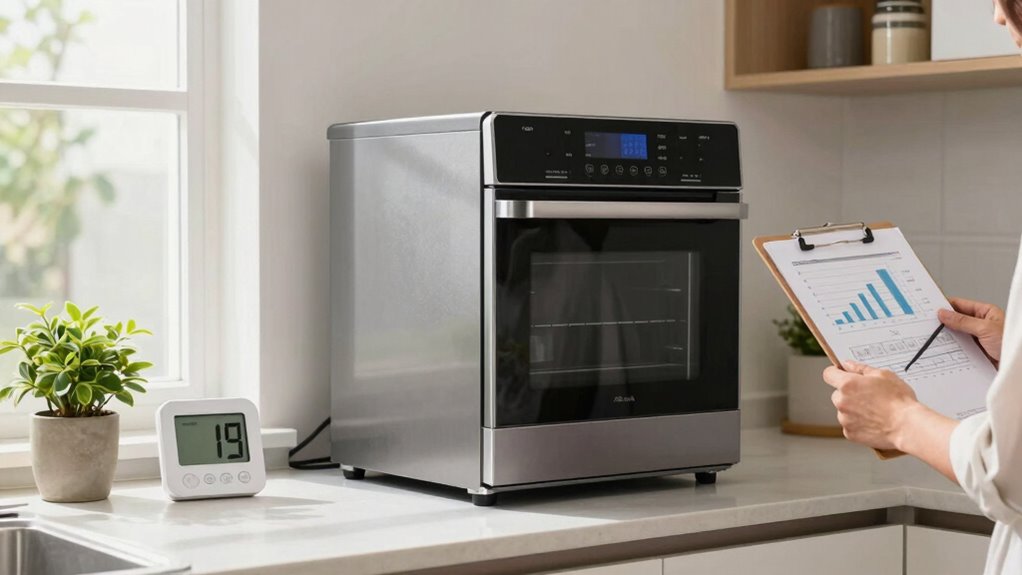
To think about utility savings realistically, focus on long-term improvements instead of quick wins. Understand that small, consistent changes—like sealing leaks or upgrading insulation—add up over time. Set achievable goals and track your progress regularly to stay motivated. Remember, energy efficiency is about building sustainable habits and making gradual improvements. Patience is key, as significant savings come from ongoing effort. Keep exploring for more ways to boost your savings effectively over the long haul.
Open a free Amazon Business account
Business pricing, bulk buying and tax-exempt orders.
As an affiliate, we earn on qualifying purchases.
Key Takeaways
- Focus on long-term, incremental improvements rather than expecting immediate, dramatic savings.
- Set realistic goals and celebrate small wins to stay motivated.
- Track energy use regularly to monitor progress and adjust strategies accordingly.
- Recognize that cumulative small changes lead to significant savings over time.
- Understand that energy efficiency benefits extend beyond cost savings, including environmental impact.
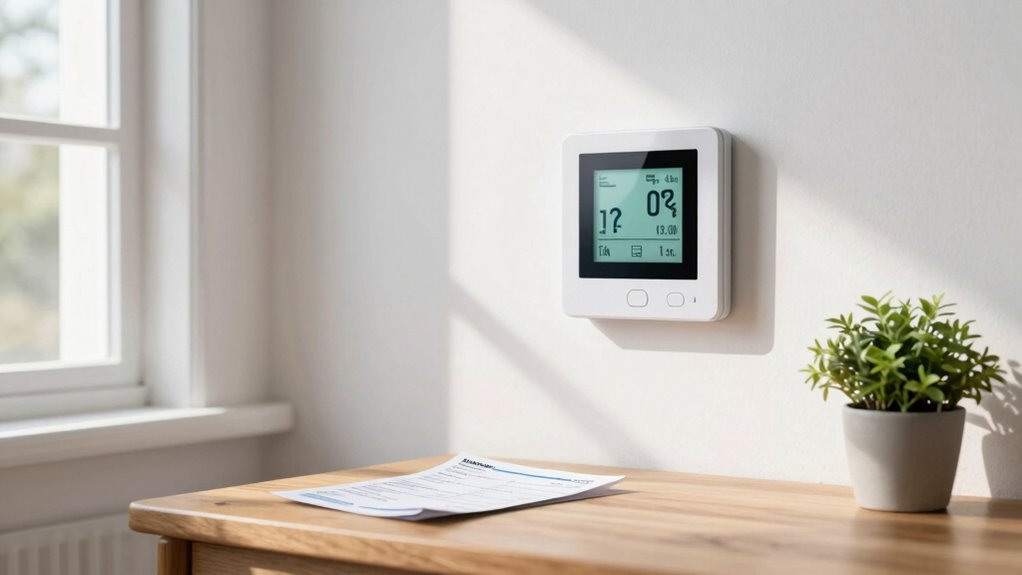
When you start looking at utility savings, it’s important to see them not just as small cuts on your bill but as opportunities to boost your overall energy efficiency. Focusing solely on immediate savings can lead you to overlook the bigger picture: building habits and adopting strategies that make your home more efficient over time. Instead of expecting dramatic reductions overnight, think of utility savings as part of a long-term effort to conserve energy and reduce waste. This mindset helps you avoid overpromising on quick results and keeps you grounded in realistic goals. Recognizing that small, incremental changes can lead to significant savings over time is essential for maintaining motivation and realistic expectations.
Understanding energy efficiency is key. It’s not just about switching out light bulbs or turning off appliances; it’s about optimizing the way your entire home uses energy. Small changes, when combined, can lead to meaningful savings. For example, sealing leaks around windows and doors, upgrading insulation, and installing programmable thermostats all contribute to a more efficient home. These conservation strategies might seem minor individually, but collectively they improve your home’s energy profile, reducing your overall utility costs over time. Additionally, understanding how your home’s energy systems work can help you identify the most impactful improvements to make.
It’s important to set achievable expectations. Utility savings often come gradually, especially if you’re implementing multiple conservation strategies. Instead of aiming for a massive drop in your bill immediately, focus on incremental improvements. Track your usage, make adjustments, and celebrate small wins. This approach keeps you motivated and prevents frustration if savings aren’t as large as you initially hoped. Recognizing that energy efficiency isn’t about instant savings but about consistent, smarter habits that pay off in the long run. Moreover, understanding the long-term benefits of energy conservation can reinforce your commitment to ongoing improvements.
energy efficient home insulation
As an affiliate, we earn on qualifying purchases.
As an affiliate, we earn on qualifying purchases.
Frequently Asked Questions
How Accurate Are Projected Utility Savings Estimates?
Projected utility savings estimates can be fairly accurate, but their reliability depends on several accuracy factors. Your cost estimation needs to account for current usage, climate, and system efficiency. Variability in weather, occupant behavior, and equipment performance can impact results. While estimates provide a helpful benchmark, you should view them as approximations rather than guarantees, and regularly monitor actual utility bills to measure real savings over time.
Can Utility Savings Influence Property Value?
Utility savings can definitely influence property value, especially if you leverage renewable incentives and financing options. When you show potential buyers that your property has lower utility costs and benefits from incentives like tax credits, it becomes more attractive. Financing options, like solar loans, can make upgrades more affordable, increasing your property’s appeal. Overall, demonstrating sustainable, cost-effective features can boost your property’s market value considerably.
Do Utility Savings Vary by Climate or Region?
Utility savings definitely vary by climate impact and regional differences. In colder regions, heating costs might be your biggest expense, so energy-efficient windows and insulation can lead to significant savings. Conversely, in warmer climates, cooling costs dominate, making AC efficiency essential. Your area’s climate influences how much you can save, so tailoring upgrades accordingly helps maximize your utility savings without overpromising results.
How Long Does It Typically Take to See Savings?
Like planting a seed, you’ll usually see utility savings within a few months, but it varies. Seasonal fluctuations and your initial investment affect the timeline. Cost amortization plays a role, as savings gradually offset the installation costs. Typically, you might notice reduced bills in 3-6 months, yet patience is key. Over time, consistent savings grow, reflecting your smarter energy choices—much like a garden flourishing after careful nurturing.
Are There Any Hidden Costs Associated With Energy Upgrades?
Yes, there can be hidden costs with energy upgrades. While financial incentives help offset initial expenses, maintenance costs may increase over time, especially for complex systems. You might also encounter unexpected repair costs or upgrades needed to keep equipment running efficiently. It’s smart to budget for these potential hidden costs and stay informed about ongoing maintenance, ensuring your investment continues to save you money without surprises.
Conclusion
So, next time you’re tempted to promise massive utility savings, remember: the real trick is managing expectations, not inflating them. It’s almost ironic—striving for big savings often means you end up underdelivering, while honest, modest goals keep everyone happy. Embrace the small wins, and don’t let the allure of instant riches cloud your judgment. After all, in the world of energy efficiency, sometimes less really is more—more honest, that is.
NFL season / tailgating Picks
team gear
As an affiliate, we earn on qualifying purchases.