
Black Friday TV deals can make it easier to find a capable screen, but the right choice depends on more than the sale tag. My best overall pick is the LG 55-Inch QNED73B Mini LED 4K Smart TV, while the Hisense E7 Cinema Series stands out for shoppers drawn to Mini LED and Fire TV, and the Roku Select Series 50-Inch QLED offers a simpler 4K alternative. The main tradeoffs are picture technology, screen size, smart-TV platform, and renewed versus new condition. Smaller Full HD models may suit bedrooms or tight budgets better than a discounted 55-inch set. Read on for the full breakdown, buying advice, and picks matched to different viewing needs.

Get everyday essentials delivered free with Prime
- Fast, free delivery on millions of items
- Prime Video, Amazon Music and more included
- Member-only deals all year
Key Takeaways
- Mini LED is the clearest differentiator among the 55-inch picks: LG’s QNED73B, Hisense‘s E7 Cinema Series, and Samsung‘s M70 and M80 models put that display technology at the center of their appeal.
- QLED spans several distinct smart-TV choices: the Roku Select 50-inch, Insignia QF, TCL F7D, and Hisense E6SR differ most in platform and listed features, so picture label alone does not settle the choice.
- Some Samsung options are renewed and others are not: the renewed M70 with wall mount and renewed Crystal UHD should be compared with the new M70H and M80H only after checking condition, warranty, and included accessories.
- Screen size and resolution are separate decisions: the 32-inch Insignia F20 is HD, while the 40-inch Roku Select and Insignia F40 are Full HD; the 55-inch options are primarily 4K choices.
- Smart-TV preference can narrow the field quickly: Fire TV appears across Amazon, Insignia, TCL, and Hisense models, while Roku options offer a different interface, and Samsung models bring the Tizen platform.





| Black Friday TV deal | Screen size | Resolution | Refresh rate | Display technology |
|---|---|---|---|---|
| LG 55-Inch QNED73B Mini LED 4K | 55 inches | 4K | 60 Hz | Mini LED |
| Hisense 55" E7 Cinema Series H | 55 inches | 4K UHD | 144 Hz | Hi-QLED Mini-LED |
| Roku Select Series 50-Inch 4K | 50 inches | 4K UHD (2160p) | 60 Hz | QLED, Direct LED |
| Samsung 55-Inch M70 Series Min | 55 inches | 4K UHD | 60 Hz native; Motion Xcelerator DLG 120Hz | Mini LED |
| Samsung 55" Crystal UHD 4K Sma | 55 inches | 4K Ultra HD | 60 Hz | LED |
| Insignia 32-Inch F20 Series HD | 32 inches | 720p | 60 Hz | LED |
| Samsung 55-Inch Class M70H Ser | 55 inches | 4K | 120 Hz | Mini LED |
| Insignia 55-Inch QF Series 4K | 55 inches | 4K UHD | 60 Hz | QLED |
| Amazon Ember 55-Inch 4-Series | 55 inches | 4K Ultra HD | — | — |
| Samsung 55-Inch M80H Series Mi | 55 inches | 4K | 144 Hz | Mini LED |
| Roku Select Series 40-Inch Ful | 40 inches | 1080p Full HD | 60 Hz | — |
| TCL 55-Inch F7D Series QLED 4K | 55 inches | 4K UHD | — | — |
| Hisense 55" Class E6SR Series | 55 inches | 4K UHD | 60 Hz | — |
| Insignia 40" Class F40 Series | 40 inches | 1080p Full HD | 60 Hz | — |
| Insignia 55-inch Class F50 Ser | 55 inches | 4K UHD | 60 Hz | — |
More Details on Our Top Picks
LG 55-Inch QNED73B Mini LED 4K Smart TV (2026)
The LG QNED73B is my balanced pick for viewers who want Mini LED contrast and QNED color without making high-refresh gaming the priority. Its a7 AI Processor Gen9 and Filmmaker Mode are geared toward a more considered movie and streaming picture, while webOS brings apps and LG Channels together. Compared with the Hisense E7 Cinema Series, it gives up the Hisense’s native 144 Hz panel and broader listed HDR format support, so fast sports and competitive games are a weaker fit. The LG instead makes sense for everyday viewing, with ALLM, Game Optimizer, and cloud gaming support for more casual play. Its 60 Hz refresh rate is the main compromise, and cloud gaming features can depend on internet access, subscriptions, or a compatible controller. For Black Friday shoppers, it’s a sensible middle ground when picture-focused viewing matters more than peak gaming speed.
Pros:- Mini LED backlighting and QNED color support vivid color and detailed contrast
- Filmmaker Mode offers a viewing mode aimed at preserving a movie’s intended presentation
- ALLM and Game Optimizer make casual console play easier to manage
- webOS includes streaming apps and LG Channels
Cons:- 60 Hz refresh rate is less suited to fast sports and competitive gaming than the Hisense E7’s 144 Hz panel
- Cloud gaming may require an internet connection, subscription, or compatible controller
Best for: Movie and streaming viewers who want a 55-inch Mini LED set with a simple webOS app hub and only casual gaming needs
Not ideal for: Competitive console gamers and sports fans who want a native high-refresh panel, or buyers who want to use cloud gaming without extra service requirements
- Screen size:55 inches
- Display technology:Mini LED
- Resolution:4K
- Refresh rate:60 Hz
- HDR formats:HDR10, HLG
- Processor:a7 AI Processor 4K Gen9
- Smart platform:webOS
- Dimensions with stand:48.3 x 30.6 x 9.1 inches (W x H x D)
Our verdict“Choose the LG QNED73B for balanced movie and streaming viewing with Mini LED color, but pick the Hisense E7 if fast gaming is your priority.”
Hisense 55″ E7 Cinema Series Hi-QLED Mini-LED 4K UHD Smart Fire TV (55E7SF, 2026)
The Hisense E7 earns my gaming-focused spot through a feature that separates it from the other sets here: a native 144 Hz refresh rate. That gives fast-moving games and sports a smoother-motion advantage over the 60 Hz LG QNED73B and Roku Select. Full Array Local Dimming paired with Mini LED is also designed to keep bright highlights distinct from darker parts of the image, while Dolby Vision IQ and HDR10+ provide broad format support. Fire TV with Alexa+ adds voice control and familiar streaming access, though shoppers who prefer a less ad-heavy interface may favor Roku’s simpler experience. The tradeoffs are practical: the 20 W, 2.0-channel audio may not deliver much bass, and the listed 27.6-pound weight calls for care during mounting. Among these picks, this is the strongest match for buyers who will actually use its faster panel.
Pros:- Native 144 Hz refresh rate is better suited to fast games and sports than the 60 Hz LG and Roku options
- Mini LED backlighting with Full Array Local Dimming is designed for stronger contrast and controlled highlights
- Dolby Vision IQ, HDR10+, HDR10, and HLG cover several HDR formats
- Fire TV with Alexa+ combines streaming access and voice features
Cons:- 20 W, 2.0-channel audio may lack bass depth for an immersive movie setup
- At 27.6 pounds, it is heavier to mount than the listed Roku Select and LG models
- Fire TV may show more advertising than buyers who prefer a simpler interface want
Best for: Console and PC gamers, plus sports viewers, who want a 55-inch 4K TV with a native high-refresh panel and broad HDR support
Not ideal for: Viewers who prioritize a quieter smart interface, built-in bass-rich sound, or a lighter set for solo installation
- Screen size:55 inches
- Display technology:Hi-QLED Mini-LED
- Resolution:4K UHD
- Refresh rate:144 Hz
- HDR formats:Dolby Vision IQ, HDR10+, HDR10, HLG
- Audio:Dolby Atmos, 2.0 channel, 20 W
- Smart platform:Fire TV with Alexa+
- Weight:27.6 lbs
Our verdict“Pick the Hisense E7 if its native 144 Hz panel matters to your gaming or sports viewing; otherwise, the LG QNED73B is a more balanced everyday alternative.”
Roku Select Series 50-Inch 4K QLED Smart TV
The Roku Select is my straightforward streaming pick for shoppers who value an easy-to-use platform over premium motion or peak brightness. Its 50-inch QLED 4K screen brings HDR10, HDR10+, and HLG support to a smaller size than the 55-inch models here, while Roku OS emphasizes quick app access and familiar streaming services. Apple AirPlay 2, Miracast, and compatibility with Siri, Alexa, and Google voice control make it flexible for households with different devices. Against the LG QNED73B, the Roku gives up Mini LED backlighting and a 55-inch screen; against the Hisense E7, it lacks a high-refresh panel. Its 60 Hz refresh rate and stated 250-nit maximum brightness also make it a weaker choice for fast gaming or a bright room. Black Friday buyers should choose it for convenience and size fit, not for flagship picture performance.
Pros:- Roku OS offers a simple route to major streaming apps and fast app launching
- QLED panel provides 4K color with HDR10, HDR10+, and HLG support
- AirPlay 2, Miracast, and several voice-control ecosystems expand device compatibility
- Four HDMI ports provide more listed connections than the Samsung U8000H’s two
Cons:- 60 Hz refresh rate is less suited to high-motion gaming and sports than the Hisense E7’s 144 Hz panel
- Maximum brightness of 250 nits may be limiting in bright rooms
- Lacks the Mini LED backlighting offered by the LG QNED73B and Hisense E7
Best for: Streamers who want a 50-inch 4K set with an approachable Roku interface, broad device compatibility, and several voice-control options
Not ideal for: Bright-room viewers, competitive gamers, and shoppers seeking Mini LED contrast or a larger 55-inch screen
- Screen size:50 inches
- Resolution:4K UHD (2160p)
- Display technology:QLED, Direct LED
- Refresh rate:60 Hz
- HDR support:HDR10, HDR10+, HLG
- Connectivity:Wi-Fi, Bluetooth 5.2, Ethernet, 4x HDMI, 2x USB
- Smart features:Roku OS, Apple AirPlay 2, Miracast, Siri, Alexa, Google voice control
- Weight:16.8 lbs
Our verdict“Choose the Roku Select for uncomplicated streaming and flexible device support, but favor the LG or Hisense if picture hardware or fast motion matters more.”
Samsung 55-Inch M70 Series Mini LED 4K Smart TV (2026) with Wall Mount (Renewed)
This renewed Samsung M70 is the lineup’s bundle-minded choice: it pairs Mini LED backlighting with an included wall mount, so buyers planning a wall installation get a relevant accessory alongside the TV. Tizen OS, Samsung Vision AI, SmartThings, and Samsung TV Plus cover the smart-TV basics, while the listed Motion Xcelerator DLG 120Hz mode aims to smooth motion. That figure needs context, though: the set’s native refresh rate is 60 Hz, unlike the Hisense E7’s native 144 Hz, and DLG may introduce artifacts in some scenes. The product is also renewed, with a 90-day warranty, so it carries more condition and coverage uncertainty than a new purchase. Its 20 W, 2.0-channel speakers may also prompt a soundbar upgrade. I’d shortlist it for Samsung households that value the mount and accept those compromises.
Pros:- Mini LED backlighting is intended to improve contrast and brightness over standard LED sets
- Included wall mount can simplify a planned wall installation
- Tizen OS, SmartThings, Samsung Vision AI, and Samsung TV Plus provide a connected smart-TV setup
- Motion Xcelerator DLG 120Hz offers a motion mode beyond the Roku Select’s listed 60 Hz
Cons:- Renewed condition and a 90-day warranty offer less coverage than a new purchase
- Native refresh rate is 60 Hz; DLG 120Hz is not the same as the Hisense E7’s native 144 Hz panel
- 20 W, 2.0-channel audio may leave buyers wanting a separate soundbar
Best for: Samsung ecosystem users planning a wall-mounted 55-inch TV who are comfortable buying a renewed unit with a short warranty
Not ideal for: Buyers who want a new set, a long warranty, native high-refresh gaming, or stronger built-in audio
- Model:UN55M70H
- Screen size:55 inches
- Display technology:Mini LED
- Resolution:4K UHD
- Refresh rate:60 Hz native; Motion Xcelerator DLG 120Hz
- Audio output:20 W, 2.0 channel
- Smart features:Tizen OS, Samsung Vision AI, SmartThings, Samsung TV Plus
- Condition and warranty:Renewed; 90 days
- Included accessory:Wall mount
Our verdict“Consider the renewed M70 if you want Samsung smart features and an included wall mount, but choose the Hisense E7 for native high-refresh gaming or a new unit for greater purchase assurance.”
Samsung 55″ Crystal UHD 4K Smart TV (2026 Model, Renewed)
The renewed Samsung U8000H is the entry point for buyers who want a familiar Samsung smart-TV setup without paying for Mini LED hardware they may not need. The Crystal Processor 4K handles picture processing, HDR10+ is supported, and Samsung TV Plus adds free streaming options. Bluetooth 5.2, Wi-Fi, Ethernet, and an ATSC 3.0 tuner round out a useful everyday feature set. Compared with the renewed Samsung M70, this model drops Mini LED backlighting and the included wall mount; it is a simpler choice, not the better contrast option. Its 60 Hz panel suits general viewing but not buyers seeking native high-refresh gaming. Two HDMI ports also restrict how many devices can stay connected, and the 90-day warranty deserves attention given its renewed condition. I’d pick it for basic streaming and TV use, not as a substitute for the M70 or Hisense E7’s gaming hardware.
Pros:- Crystal Processor 4K is designed to sharpen and process 4K content
- HDR10+ support and Samsung TV Plus add picture-format and streaming options
- Bluetooth 5.2, Wi-Fi, Ethernet, and ATSC 3.0 provide useful connectivity and broadcast support
- Two USB ports allow compatible USB devices to connect
Cons:- 60 Hz refresh rate does not match the Hisense E7’s native 144 Hz for fast gaming
- Two HDMI ports may be restrictive for households connecting multiple consoles and devices
- Renewed condition includes a 90-day warranty and lacks the M70’s Mini LED backlighting
Best for: Samsung fans seeking a basic 55-inch 4K streaming TV with Samsung TV Plus and an ATSC 3.0 tuner who accept renewed condition
Not ideal for: Gamers needing native high refresh, households with several HDMI devices, or buyers who want Mini LED contrast and longer warranty coverage
- Model:UN55U8000HFXZA
- Screen size:55 inches
- Resolution:4K Ultra HD
- Display technology:LED
- Refresh rate:60 Hz
- HDR format:HDR10+
- Processor:Crystal Processor 4K
- HDMI and USB ports:2 HDMI; 2 USB 2.0
- Condition and warranty:Renewed; 90 days
Our verdict“Choose the U8000H for basic Samsung streaming and broadcast features, but step up to the M70 for Mini LED contrast or the Hisense E7 for faster gaming.”
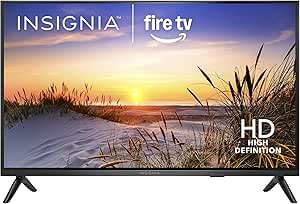
Insignia 32-Inch F20 Series HD Smart Fire TV
For a bedroom, kitchen, or secondary screen, this 32-inch Fire TV keeps the essentials straightforward: Alexa voice control can find shows or switch inputs, and the streaming platform brings popular apps together. Its small footprint and table-or-wall mounting give it a flexibility the 55-inch sets in this lineup cannot match. The tradeoff is 720p resolution, which looks less detailed than the 4K Insignia QF Series or the Amazon Ember 4-Series, especially when viewed up close. Its 60 Hz panel also lacks the smoother motion features of the Samsung M70H. I’d choose this for casual viewing where size and simple streaming matter more than cinematic detail; it is a poor fit as a main-room TV for 4K movies or fast gaming.
Pros:- Compact 32-inch size suits secondary rooms and tighter spaces.
- Alexa voice remote can search content, launch apps, and switch inputs.
- Fire TV supports a wide selection of streaming apps.
- HDMI ARC, DTS Virtual:X, and varied legacy connections offer useful setup flexibility.
Cons:- 720p resolution is less detailed than the 4K models in this roundup.
- 60 Hz refresh rate lacks the motion smoothness and gaming focus of the Samsung M70H.
- Two HDMI ports may feel limiting with several connected devices.
Best for: Shoppers furnishing a bedroom, dorm room, or kitchen who want a compact screen with built-in Fire TV and voice control.
Not ideal for: Main-room viewers, 4K movie fans, or gamers who want sharper detail, a larger screen, or high-refresh-rate motion.
- Screen size:32 inches
- Resolution:720p
- Display technology:LED
- Refresh rate:60 Hz
- HDR format:HDR10
- HDMI ports:2
- USB ports:1
- VESA mount:100 x 100 mm
Our verdict“Choose this Insignia for a compact secondary-room TV with easy streaming, but look to a 4K 55-inch option for a primary screen.”
Samsung 55-Inch Class M70H Series Mini LED 4K Smart TV (2026 Model)
The M70H is the lineup’s clearest pick for viewers who prioritize bright, smooth action: Mini LED backlighting, a stated 1,000-nit maximum brightness, and 120 Hz motion support make sports and compatible games its strengths. Compared with the Insignia QF Series and Amazon Ember 4-Series, it offers a faster refresh rate and Mini LED contrast rather than a standard 60 Hz panel. That advantage comes with caveats: the listed DLG 120 Hz mode may reduce sharpness, and its software-based dimming may be less precise than hardware full-array local dimming. Samsung TV Plus adds free viewing choices, but the smart features require an account and internet connection. I’d rank it ahead of the 60 Hz sets for motion-focused buyers, not for shoppers who mainly want simple streaming at the lowest fuss.
Pros:- Mini LED backlighting and up to 1,000 nits support bright highlights and stronger contrast.
- 120 Hz motion support is better suited to fast sports and compatible gaming than the 60 Hz Insignia QF.
- HDR10+ support and a 4K processor serve detailed, high-dynamic-range viewing.
- Samsung TV Plus offers a broad selection of free channels.
Cons:- DLG 120 Hz mode may reduce image sharpness.
- Software-based Mini LED dimming may be less precise than hardware full-array local dimming.
- Smart features and streaming services require a Samsung Account and internet connection.
Best for: Sports fans and console players seeking a 55-inch 4K screen with Mini LED contrast and higher-refresh-rate motion.
Not ideal for: Viewers who want the sharpest image during high-refresh modes, precise hardware local dimming, or smart features without a Samsung account.
- Screen size:55 inches
- Resolution:4K
- Display technology:Mini LED
- Refresh rate:120 Hz
- HDR format:HDR10+
- Maximum brightness:1,000 nits
- Model year:2026
- Weight:22.5 lb
Our verdict“Pick the M70H if sports and gaming motion matter more than the simpler streaming setup or 60 Hz performance of the Insignia and Amazon alternatives.”
Insignia 55-Inch QF Series 4K UHD QLED Smart Fire TV with Alexa Voice Remote (NS55-UQFL26)
This Insignia makes a strong Black Friday shortlist for buyers who want 4K QLED color and the Fire TV interface without stepping up to a Mini LED set. Quantum Dot color and Dolby Vision support give it a more ambitious movie picture than the 720p Insignia F20, while Alexa voice control keeps app searches and input changes simple. Against the Amazon Ember 4-Series, the QF offers QLED technology and Dolby Vision; the Ember counters with Wi-Fi 6 and four HDMI inputs. The Insignia has three HDMI ports, including eARC, but its 60 Hz refresh rate makes it less suitable for high-frame-rate gaming than the Samsung M70H or M80H. It is a sensible middle ground for streaming and films, provided motion performance is not the deciding factor.
Pros:- QLED Quantum Dot technology supports vivid color at 4K resolution.
- Dolby Vision and HDR10 cover two widely used HDR formats.
- Fire TV and Alexa voice remote make app and content access convenient.
- Three HDMI inputs include eARC for connecting a soundbar.
Cons:- 60 Hz refresh rate is less suited to fast gaming than the Samsung M70H and M80H.
- One USB port limits connections for multiple USB-powered devices.
- It lacks the Mini LED backlighting featured in the Samsung M70H and M80H.
Best for: Movie and streaming viewers who want a 55-inch 4K QLED with Dolby Vision, Fire TV, and eARC for a soundbar.
Not ideal for: Competitive gamers or sports viewers who prioritize refresh rates above 60 Hz, or buyers needing several USB connections.
- Screen size:55 inches
- Resolution:4K UHD
- Display technology:QLED
- Refresh rate:60 Hz
- HDR formats:Dolby Vision, HDR10
- Operating system:Fire TV
- HDMI ports:3, including one with eARC
- USB ports:1 USB 3.0
- Model year:2025
Our verdict“Choose the Insignia QF for colorful 4K streaming and Dolby Vision, but favor a Samsung Mini LED model if fast motion is your priority.”
Amazon Ember 55-Inch 4-Series 4K Ultra HD Smart TV with Fire TV and Alexa Voice Remote
The Ember 4-Series puts its emphasis on responsive streaming and device flexibility, pairing a quad-core processor and Wi-Fi 6 with four HDMI inputs and AirPlay. That makes it a more accommodating hub for connected devices than the Insignia QF Series, which has three HDMI ports, while the Insignia adds QLED and Dolby Vision for buyers focused on color and movie HDR. The Ember’s 4K resolution, HDR10+, and enhanced brightness cover everyday viewing, but its listed specs do not include a refresh rate or display technology, so I wouldn’t choose it over Samsung’s Mini LED M70H or M80H for motion-focused gaming. Omnisense can wake the display as someone enters, though that feature may not matter to every household. The major ownership caveat is its 90-day limited warranty.
Pros:- Four HDMI inputs provide more room for consoles and other devices than the Insignia QF Series.
- Wi-Fi 6 and a quad-core processor support responsive streaming and app loading.
- AirPlay support adds a convenient way to send content from compatible Apple devices.
- HDR10+ and 4K resolution support detailed streaming playback.
Cons:- The 90-day limited warranty is shorter than the one-year warranty listed for the Insignia QF.
- Dolby Vision is not listed, unlike the Insignia QF Series.
- Refresh rate and display technology are not specified in the provided product data.
Best for: Households with several HDMI devices that want Fire TV, AirPlay, Wi-Fi 6, and quick app access in one 55-inch set.
Not ideal for: Buyers who prioritize Mini LED contrast, Dolby Vision, proven high-refresh gaming features, or a longer listed warranty.
- Screen size:55 inches
- Resolution:4K Ultra HD
- HDR format:HDR10+
- Audio:Dolby Audio
- Connectivity:Wi-Fi 6, four HDMI inputs, AirPlay
- Processor:Quad-core
- Voice assistant:Alexa+
- Warranty:90-day limited warranty
Our verdict“Choose the Ember for a connected Fire TV setup with four HDMI inputs and AirPlay, but consider the Insignia QF for Dolby Vision or Samsung for Mini LED gaming performance.”
Samsung 55-Inch M80H Series Mini LED 4K Smart TV (2026)
Among these five TVs, the M80H is the performance-led option for buyers with a compatible PC: its 144 Hz refresh rate and Variable Refresh Rate target smoother gameplay than the 120 Hz Samsung M70H or the 60 Hz Insignia QF and Amazon Ember. Mini LED backlighting and the NQ4 AI Gen2 Processor also aim to improve contrast and color, while Auto HDR Remastering is intended to give SDR material a more HDR-like presentation. The key limitation is that full 144 Hz performance is restricted to PC games that meet specific hardware requirements, so many console players may get less benefit than the headline number suggests. Its 20-watt, two-channel audio is modest beside its picture ambitions; a soundbar may be needed for fuller sound. Like the M70H, smart features require a Samsung account and internet access.
Pros:- 144 Hz refresh rate and VRR target smoother play on compatible gaming hardware.
- Mini LED backlighting pairs with AI processing for enhanced contrast and color.
- Auto HDR Remastering is designed to improve the presentation of SDR content.
- Tizen provides integrated smart TV features and streaming app access.
Cons:- Full 144 Hz performance is limited to PC games that meet specific hardware requirements.
- 20-watt, two-channel built-in audio may call for an external soundbar.
- Smart features and streaming apps require a Samsung Account and high-speed internet.
Best for: PC gamers with compatible hardware who want a 55-inch 4K Mini LED screen with VRR and a refresh rate reaching 144 Hz.
Not ideal for: Console-only players unlikely to use the full 144 Hz mode, or viewers seeking powerful built-in audio and account-free smart features.
- Screen size:55 inches
- Resolution:4K
- Display technology:Mini LED
- Refresh rate:144 Hz
- Processor:NQ4 AI Gen2
- HDR format:HDR10+
- Operating system:Tizen
- Audio output:20 W, 2-channel
- Model year:2026
Our verdict“Pick the M80H for compatible PC gaming and 144 Hz VRR, but the M70H is a more suitable comparison if your gaming setup does not support that top refresh rate.”
Roku Select Series 40-Inch Full HD Smart TV
For a bedroom, dorm, or secondary screen, this 40-inch Roku TV keeps the setup straightforward: its home screen gathers streaming apps, while voice search and Bluetooth headphone mode make late-night viewing easier. Compared with the similarly sized Insignia F40 Series, it offers three HDMI ports instead of two and adds AirPlay 2, useful if you connect several devices or stream from an Apple phone. The tradeoff is resolution: 1080p Full HD is a sensible fit at this size, but it lacks the fine detail and larger-screen impact of the 55-inch 4K choices in this roundup. A 60Hz panel without motion enhancement also makes this a less compelling pick for fast sports or gaming. I’d put it on a Black Friday shortlist when compact size and Roku simplicity matter more than 4K.
Pros:- Roku home screen and voice search simplify access to streaming apps
- Bluetooth headphone mode supports quiet, private listening
- AirPlay 2 and Miracast offer flexible screen sharing
- Three HDMI ports provide more device connections than the Insignia F40
Cons:- 1080p resolution falls short of the 4K detail offered by the 55-inch models here
- 60Hz refresh rate and no motion enhancement are less suited to fast action
- 250-nit maximum brightness may limit visibility in bright rooms
Best for: Apartment dwellers, students, and families wanting an easy-to-use 40-inch TV for a bedroom or secondary room
Not ideal for: Buyers seeking a 4K main-room screen, smoother high-frame-rate gaming, or a large sports-viewing display
- Screen size:40 inches
- Display:LED
- Resolution:1080p Full HD
- Refresh rate:60 Hz
- Maximum brightness:250 nits
- HDMI ports:3
- Wireless connectivity:Wi-Fi, Bluetooth 5.2
- Screen mirroring:Apple AirPlay 2, Miracast
Our verdict“Choose this compact Roku model for a simple bedroom or secondary TV, but pick a 55-inch 4K option for a primary viewing room.”
TCL 55-Inch F7D Series QLED 4K UHD HDR Smart Fire TV (2026)
The TCL F7D is the most gaming-focused choice in this group, pairing QLED color and broad HDR support with VRR, Auto Game Mode, and a Game Bar. That mix gives console players useful tools for responsive play and more vivid supported content, while Dolby Vision and HDR10+ cover more formats than the HDR10-only Insignia F50. There is a key spec distinction, though: the panel’s native refresh rate is 60Hz, so the listed 120Hz VRR support and Motion Rate 240 should not be read as a native 120Hz screen. It also has only three HDMI ports, matching the Insignia F50 rather than offering extra room for gear. Fire TV, Alexa, AirPlay 2, and HomeKit make it flexible, but buyers should weigh those features against the panel’s refresh-rate limit.
Pros:- QLED display and Dolby Vision support offer vivid color with compatible content
- VRR, Auto Game Mode, and Game Bar add useful gaming controls
- Supports Dolby Vision, HDR10+, HDR10, and HLG
- Fire TV, Alexa, AirPlay 2, and HomeKit cover varied streaming and smart-home setups
Cons:- Native refresh rate is 60Hz despite the 120Hz VRR and Motion Rate 240 claims
- Three HDMI ports may be limiting for several consoles and other devices
- Two USB ports may not suit buyers connecting multiple accessories
Best for: Console players and streaming households who want a 55-inch QLED screen, broad HDR format support, and smart-home options
Not ideal for: Competitive gamers who require a native 120Hz panel or households needing more than three HDMI connections
- Screen size:55 inches
- Display:QLED
- Resolution:4K UHD
- Native refresh rate:60 Hz
- HDR formats:Dolby Vision, HDR10+, HDR10, HLG
- Smart platform:Fire TV
- HDMI ports:3
- USB ports:2
- Audio formats:Dolby Atmos, DTS:X
Our verdict“Choose the TCL for its gaming features, QLED color, and broad HDR support, but not if native 120Hz performance is a must.”
Hisense 55″ Class E6SR Series Hi-QLED 4K UHD Smart Roku TV (55E6SR, 2026 Model)
The Hisense E6SR suits viewers who want Roku’s familiar layout on a larger, sharper screen than the 40-inch Roku Select. Its 55-inch 4K Hi-QLED display, Dolby Vision, and AI upscaling give streamed and older lower-resolution content room to look more detailed, while Roku OS keeps app access simple. Game Mode Plus adds VRR and ALLM, a useful step beyond the Roku Select’s basic 60Hz feature set, though the Hisense also has a 60Hz panel and should not be mistaken for a high-refresh gaming TV. Compared with the TCL F7D, it trades Fire TV and broader HDR format support for Roku navigation and a straightforward 4K package. The product data lists HDR10 and HLG alongside Dolby Vision, but not HDR10+. This is a practical streaming-first choice, not a premium motion pick.
Pros:- 55-inch 4K Hi-QLED screen is a clear size and resolution step up from the Roku Select 40-inch
- Roku OS offers familiar streaming navigation and voice control
- Dolby Vision and AI 4K upscaling support compatible HDR and lower-resolution content
- VRR and ALLM add gaming conveniences absent from the Roku Select
Cons:- 60Hz refresh rate is not a native high-refresh gaming panel
- HDR format list does not include HDR10+
- Three HDMI ports leave limited room for multiple connected devices
Best for: Roku fans upgrading to a 55-inch 4K TV for streaming, family viewing, and occasional console gaming
Not ideal for: Buyers who want native high-refresh gaming, HDR10+ support, or a feature-rich premium picture system
- Screen size:55 inches
- Display:Hi-QLED, direct LED
- Resolution:4K UHD
- Refresh rate:60 Hz
- HDR formats:Dolby Vision, HDR10, HLG
- Smart platform:Roku OS
- Gaming features:Game Mode Plus, VRR, ALLM
- HDMI ports:3
- VESA mount:200 x 400 mm
Our verdict“Pick the Hisense for a Roku-centered 55-inch 4K upgrade with Dolby Vision, but choose the TCL F7D for broader HDR support and more gaming features.”
Insignia 40″ Class F40 Series LED Full HD Smart Fire TV
For buyers who prefer Amazon’s streaming interface, the Insignia F40 is a straightforward 40-inch choice with Fire TV and Alexa built in. DTS Virtual:X, HDMI ARC, and parental controls give it a useful living-room setup for a small household, especially if a soundbar is part of the plan. Compared with the same-size Roku Select 40-inch, the Insignia has Ethernet and two USB ports, but it offers only two HDMI ports and lacks the Roku model’s AirPlay 2 support and Bluetooth headphone mode. Both TVs are limited to 1080p and 60Hz, so neither is aimed at 4K viewing or fast-refresh gaming. In this Black Friday roundup, this pick makes sense when Fire TV and Alexa are the priority; those wanting more connection flexibility should look at the Roku instead.
Pros:- Fire TV and Alexa voice control provide direct access to streaming and search
- HDMI ARC simplifies connecting a soundbar or receiver
- Two USB ports and Ethernet offer useful wired and accessory connections
- Parental controls allow content restrictions
Cons:- 1080p resolution lacks the detail of the 55-inch 4K models in this roundup
- Two HDMI ports are fewer than the Roku Select 40-inch provides
- 60Hz refresh rate is not suited to high-refresh gaming
Best for: Fire TV households wanting a compact 40-inch screen with Alexa, parental controls, and a soundbar connection
Not ideal for: Apple-device users seeking AirPlay 2, buyers with several HDMI devices, or anyone prioritizing 4K resolution
- Screen size:40 inches
- Display:LED
- Resolution:1080p Full HD
- Refresh rate:60 Hz
- Smart platform:Fire TV
- Audio technology:DTS Virtual:X
- HDMI ports:2
- USB ports:2
- Connectivity:Wi-Fi, Bluetooth 5, Ethernet, HDMI ARC, optical audio
Our verdict“Choose the Insignia F40 for a compact Fire TV setup with Alexa and HDMI ARC, but favor the Roku Select if you need more HDMI ports or AirPlay 2.”
Insignia 55-inch Class F50 Series LED 4K UHD Smart Fire TV with Alexa Voice Remote
The Insignia F50 offers a simple route to a 55-inch 4K screen: Fire TV, Alexa voice control, HDR10, and three HDMI ports cover everyday streaming and common device setups. Compared with the Hisense E6SR, it uses standard LED rather than Hi-QLED and does not list Dolby Vision, so viewers seeking wider HDR support and a more color-focused panel may prefer the Hisense. The F50’s advantage is a familiar Fire TV interface and practical connections, including optical audio and Ethernet. Its 60Hz native refresh rate suits regular TV and movie watching, but not buyers chasing high-refresh gaming. The listed 10W audio output also suggests that a soundbar may be worthwhile for fuller sound. For a Black Friday shortlist, this is the uncomplicated large-screen option rather than the most ambitious picture or gaming choice.
Pros:- 4K UHD resolution provides more detail than the 1080p Roku Select and Insignia F40
- Fire TV and Alexa Voice Remote simplify app access and voice searches
- Three HDMI ports accommodate common connected-device setups
- Ethernet and optical audio provide wired network and audio options
Cons:- Standard LED panel and HDR10-only support are less expansive than the Hisense E6SR and TCL F7D
- 60Hz native refresh rate does not target high-refresh gaming
- 10W built-in audio output may leave movie and dialogue sound limited without external audio
Best for: Streaming households wanting an uncomplicated 55-inch 4K Fire TV with Alexa and multiple HDMI connections
Not ideal for: Viewers who prioritize QLED color, Dolby Vision, bright-room performance, or high-refresh gaming
- Screen size:55 inches
- Display:LED
- Resolution:4K UHD
- HDR format:HDR10
- Refresh rate:60 Hz
- Smart platform:Fire OS
- HDMI ports:3
- Audio output:10W
- Mounting:VESA 200 x 200 mm
Our verdict“Choose the Insignia F50 for a straightforward 55-inch 4K Fire TV, but step up to the Hisense E6SR or TCL F7D for QLED and broader HDR features.”
How We Picked
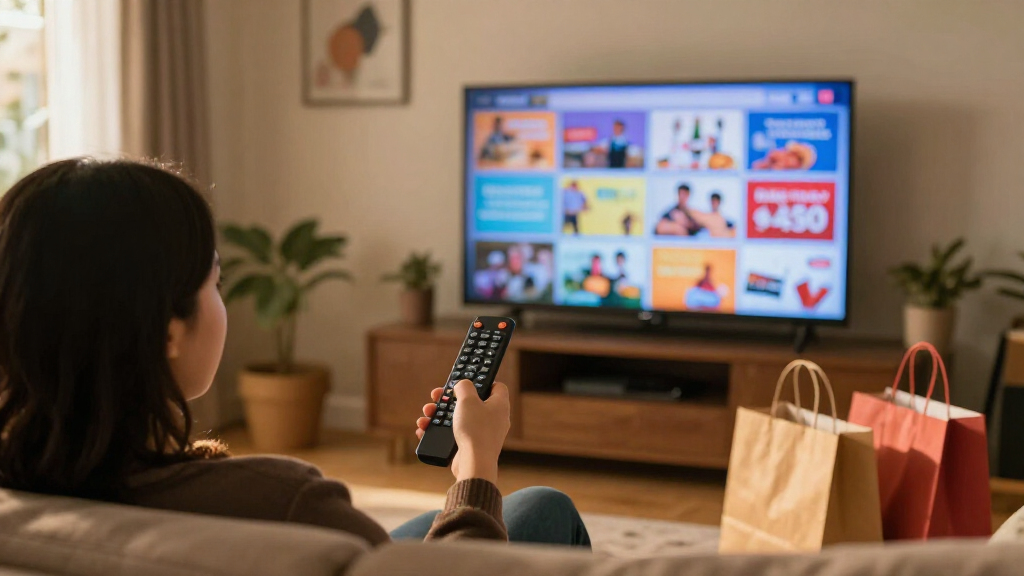
I ranked the 15 TVs by how well their listed features fit common Black Friday buying needs, not by an assumed sale price. The main criteria were screen technology and resolution, screen size, smart-TV platform, gaming and format features where specified, and practical details such as renewed condition or an included wall mount. I also considered how clearly each model serves a distinct buyer rather than treating every 55-inch set as interchangeable.
The higher positions go to models with a stronger combination of display technology, useful feature information, and broad appeal. Picks with a narrower role—such as compact HD and Full HD TVs—rank lower overall but can be a better fit for a smaller room. Renewed models are judged with extra caution because their condition and warranty terms matter alongside their specifications; the final deal still depends on the listing, so I recommend checking those details before buying.
| Black Friday TV deal | Display technology |
|---|---|
| LG 55-Inch QNED73B Mini LED 4K | Mini LED |
| Hisense 55" E7 Cinema Series H | Hi-QLED Mini-LED |
| Roku Select Series 50-Inch 4K | QLED, Direct LED |
| Samsung 55-Inch M70 Series Min | Mini LED |
| Samsung 55" Crystal UHD 4K Sma | LED |
| Insignia 32-Inch F20 Series HD | LED |
| Samsung 55-Inch Class M70H Ser | Mini LED |
| Insignia 55-Inch QF Series 4K | QLED |
| Amazon Ember 55-Inch 4-Series | — |
| Samsung 55-Inch M80H Series Mi | Mini LED |
| Roku Select Series 40-Inch Ful | — |
| TCL 55-Inch F7D Series QLED 4K | — |
| Hisense 55" Class E6SR Series | — |
| Insignia 40" Class F40 Series | — |
| Insignia 55-inch Class F50 Ser | — |
Factors to Consider When Choosing Black Friday TV Deals
A Black Friday TV decision is easier when I separate the screen I need from the deal I happen to see. These checks add context beyond the individual models and help avoid paying for features that will not improve your setup.
Choose screen size for your room, not the sale banner
A larger screen can make films and sports more immersive, but it can overwhelm a small room or leave little space for furniture. Measure the available width and viewing distance before comparing listings, and check the TV’s actual dimensions rather than relying on the diagonal size alone. A 55-inch set is a common living-room choice in this roundup, while 32- and 40-inch models suit bedrooms, kitchens, or tighter spaces. Do not assume a smaller TV is a poor deal if it fits your room better. Placement, glare, and seating angle can affect day-to-day comfort as much as screen size. If the set will sit on a stand, confirm that the stand fits your furniture; wall mounting adds its own compatibility and installation checks.
Treat Mini LED, QLED, and resolution as different questions
Resolution describes image detail, while display labels such as QLED and Mini LED describe aspects of how a panel produces its picture. Many models here are 4K, so the difference between them is not simply how many pixels they have. A higher-resolution set may offer little benefit if you mostly watch lower-resolution sources from far away. Compare the actual features listed for the model and think about your typical content, including streaming, broadcast TV, and games. Avoid choosing by a technology label alone: implementations vary, and a label does not tell you everything about brightness, contrast, or motion. Paying more for display hardware makes most sense when you regularly watch demanding content and your room and viewing habits let you notice the difference.
Pick a smart-TV platform you will actually use
Built-in platforms shape how quickly you can reach streaming apps, search for shows, and manage voice controls. Fire TV and Roku appear repeatedly in this lineup, while Samsung sets use a different smart-TV environment; these are not just decorative feature differences. Check whether your regular services are supported and whether the interface suits everyone who will use the TV. If you already rely on a separate streaming device, the built-in platform may matter less than picture and connection needs. Voice remote compatibility can be convenient, but it should not outweigh a screen that fits your viewing conditions. Also check the specific model’s app and connectivity details, since a family brand name does not guarantee identical features across every TV.
Read renewed listings as a separate kind of deal
A renewed TV is not directly equivalent to a new one, even when the model name and core specifications look similar. Before choosing a renewed Samsung, read the listing for condition grade, warranty coverage, return window, and included accessories. The renewed M70 listing names a wall mount, but buyers should verify exactly what is included and whether it suits their wall and installation plan. Do not assume renewed status means a specific level of wear or a particular warranty; the seller’s terms control. Compare the complete package with a new model, not just the headline specification. If uncertainty about condition would outweigh the potential savings for you, a new set may be the more comfortable purchase.
Match gaming features to the console and games you own
Gaming labels can sound interchangeable, but they describe different functions and may not appear on every model. The Hisense E6SR listing names VRR, ALLM, and Game Mode Plus, which gives gamers specific features to check against their console and preferred games. Verify supported refresh rates, HDMI capabilities, and the exact model specification before buying, especially if you want to use a newer console’s advanced output modes. A gaming feature is less valuable if your console or content cannot use it. For casual play, a straightforward 4K smart TV may be enough, while frequent competitive play can justify closer scrutiny of motion and input-related specifications. Compare the full feature list rather than assuming every 4K or QLED TV offers the same gaming experience.
Compare the whole purchase, not the discount label
Black Friday listings can change quickly, and the lowest displayed figure does not by itself identify the best fit. Compare the exact model number, included stand or mount, shipping terms, return policy, and warranty before making a decision. A similarly named series can have different sizes, platforms, or features, so match the listing to the model in this roundup. Decide in advance which two or three features matter most, then use those as filters instead of letting a sale badge set your priorities. If a deal pushes you toward a larger screen or more advanced display than your room needs, the extra spend may not improve your everyday viewing. A good purchase is the model that meets your needs with acceptable terms, not simply the one with the most prominent promotion.
Frequently Asked Questions
Should I choose one of the renewed Samsung TVs or a new model?
I would compare the renewed Samsung M70 or Crystal UHD with the new M70H and M80H only after reading the seller’s condition, warranty, and return terms. Renewed status can make a listing a different proposition, but the product name alone does not tell you what condition to expect. Check whether accessories are included; the renewed M70 listing specifies a wall mount, but confirm its contents and compatibility. A new model may be the better fit if you value a clearer purchase history and standard new-product terms. Choose renewed only when the listing details and return protections work for you.
Is a 55-inch 4K TV a better buy than a 40-inch Full HD TV?
Not automatically: room size, viewing distance, and budget matter more than a broad ranking. The 55-inch 4K models suit a main room where a larger picture is welcome, while the Roku Select 40-inch Full HD and Insignia F40 can fit secondary spaces more comfortably. At a close viewing distance, a large screen may feel imposing; from farther away, a smaller screen may not deliver the experience you want. Measure the space and check the TV’s full dimensions before deciding. Choose 4K when screen size and viewing habits make the extra resolution useful, rather than buying it only because it is a common deal category.
Which TV is the safest choice if I want a simple streaming setup?
Start by choosing the platform you already know or prefer, then confirm that it supports your usual streaming services. This roundup includes Fire TV models from Amazon, Insignia, TCL, and Hisense, as well as Roku and Samsung smart-TV options. A familiar interface may make setup and everyday use easier, but the models within a platform can still differ in size, resolution, and display technology. If you already own a streaming stick or box, you may not need to pay extra for a specific built-in interface. Check the exact listing and remote details before purchase, since similar model names do not guarantee identical equipment.
Do gaming features make the Hisense E6SR a better choice for every gamer?
No. The E6SR listing specifically names VRR, ALLM, and Game Mode Plus, which gives buyers concrete features to compare, but that does not establish that it is the best TV for every console or game. Check the model’s full connection and refresh-rate specifications against the output your console supports. Casual players may be better served by prioritizing screen size, platform, or general viewing needs. Competitive players should verify the relevant gaming details directly in the listing rather than assuming a feature label guarantees a particular performance level. Select the E6SR when its stated features match your setup and the rest of its tradeoffs suit your room.
How can I tell whether a Black Friday TV deal is genuinely right for me?
Write down your room size, preferred screen size, must-have streaming apps, and any gaming or mounting requirements before comparing offers. Then match the exact model number and condition to the listing, since size and series names can hide meaningful differences. Read the return and warranty terms, especially for renewed products, and check what accessories come in the box. Compare the TV against your needs rather than treating a sale label as proof of value. If a cheaper model misses a requirement you use every day, it may not be the better purchase for you.
Conclusion
For most living rooms, I would start with the LG 55-Inch QNED73B Mini LED as the best overall choice in this lineup. Shoppers seeking a different feature mix can compare the Hisense E7 Cinema Series and its Fire TV platform, while the Roku Select 50-inch QLED is a strong alternative for buyers who prefer Roku. My best value pick depends on the actual Black Friday listing: compare the new Insignia QF and TCL F7D with the Roku and Hisense options, then choose the one whose screen and platform fit your needs and purchase terms. For a premium-leaning choice, look at the Samsung M80H and compare its listed features with the other Mini LED sets before paying more. Beginners may find a familiar Fire TV or Roku model easier to shortlist, while small-room shoppers should focus on the 32-inch Insignia F20 or the 40-inch Full HD options. The right deal is the TV that suits your room, viewing habits, and warranty comfort—not simply the biggest screen or loudest sale label.
Black Friday Picks

KitchenAid Classic Series 4.5-Quart Tilt-Head Stand Mixer, Onyx Black
As an affiliate, we earn on qualifying purchases.