
To make great pizza at home, choosing between stone, steel, or cast iron impacts heat retention and crust texture. A pizza stone absorbs moisture, creating a crispy bottom, while steel heats faster and maintains high temperatures for quick cooking. Cast iron retains heat evenly, offering consistent results. Each surface interacts differently during baking, affecting your crust and toppings. Keep exploring to discover how these options can elevate your homemade pizza to restaurant-quality perfection.

Get everyday essentials delivered free with Prime
- Fast, free delivery on millions of items
- Prime Video, Amazon Music and more included
- Member-only deals all year
Key Takeaways
- Preheat your pizza stone, steel, or cast iron thoroughly to ensure optimal heat transfer and crispy crust.
- Use a pizza steel for faster heating and superior heat conduction, ideal for professional-quality results.
- Cast iron pans retain heat evenly, making them suitable for stovetop or oven baking for consistent crusts.
- Adjust cooking times and temperatures based on the surface used to achieve the desired crust and topping melt.
- Properly manage dough fermentation and cheese selection to enhance flavor and texture regardless of the cooking surface.
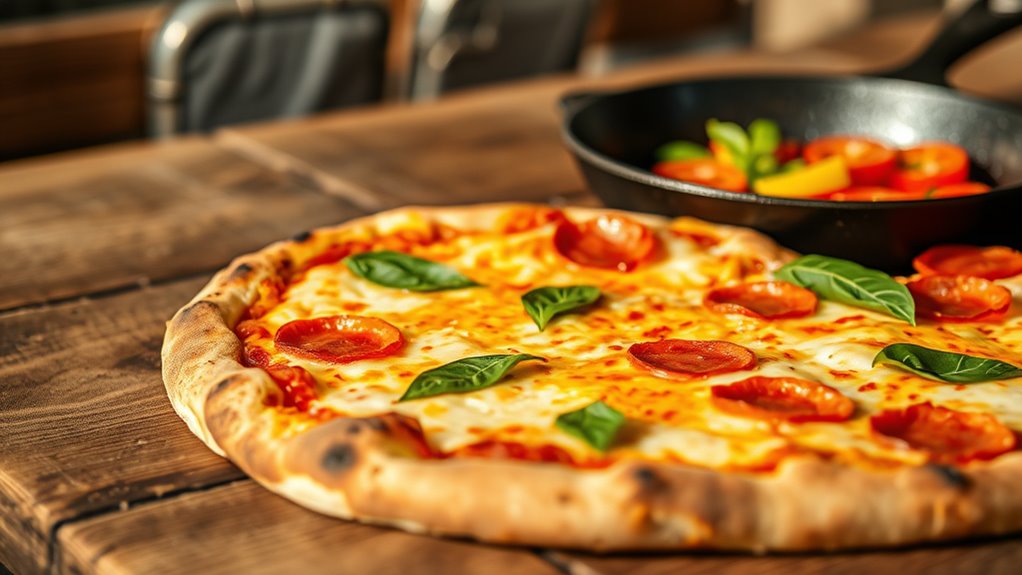
Making pizza at home is a fun and rewarding way to enjoy your favorite dish without leaving the comfort of your kitchen. One of the most important steps in creating a delicious pizza is managing dough fermentation. During this process, you let the dough rest and develop flavor, which results in a better crust with a chewy interior and crisp exterior. The fermentation time can vary from a few hours to overnight, depending on your schedule and desired flavor intensity. As the dough ferments, natural yeasts produce gases that cause it to rise, creating those characteristic bubbles and airy pockets in the crust. Controlling fermentation temperature and timing is key to achieving the perfect texture and taste. Once your dough is ready, you can experiment with different cheese varieties to complement your toppings. Classic options like mozzarella provide a gooey, mild flavor, but you might also try sharper cheeses such as provolone or pecorino for added depth. For a more complex profile, blending cheeses like ricotta, gorgonzola, or fontina can elevate your pizza to gourmet levels. Using a variety of cheeses not only enhances flavor but also affects the melting quality and texture of your finished pie.
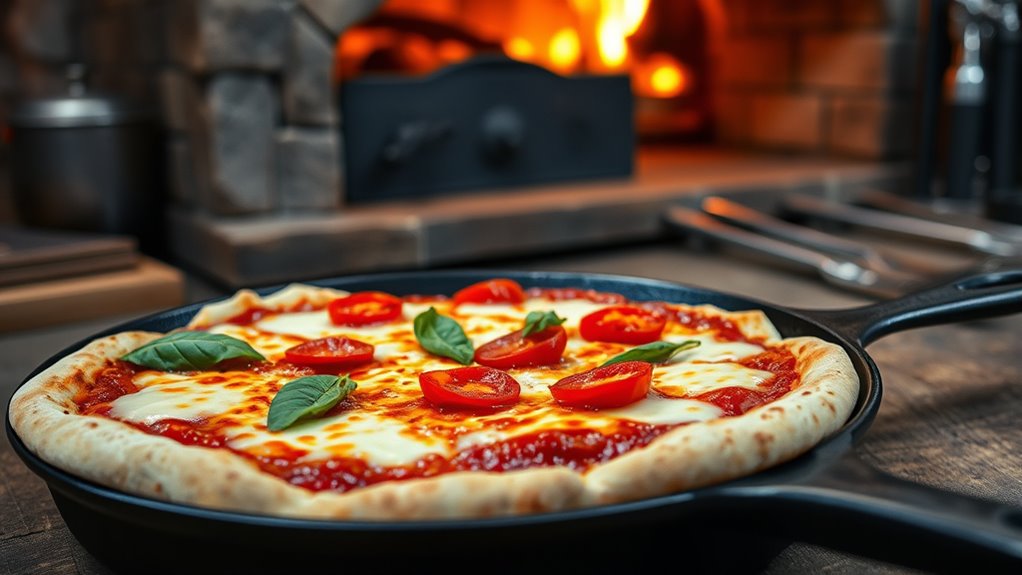
When it comes to cooking your pizza, the choice of equipment influences the final result. For instance, if you’re using a pizza stone, preheat it thoroughly in your oven to mimic a traditional brick oven’s high heat. A hot stone absorbs moisture from the dough, resulting in a crisp bottom crust. Steel surfaces, known for their excellent heat conduction, can produce similar effects but often heat up faster and maintain higher temperatures. Cast iron pans are another great option; they retain heat well and can be placed directly on the stovetop or oven. Each method requires some adjustments in cooking time and temperature, but all can produce a beautifully cooked pizza with a crispy crust and evenly melted cheese. Paying attention to the fermentation process and the heat retention properties of your cooking surface can significantly improve your homemade pizza results.
Ultimately, mastering dough fermentation, selecting the right cheese varieties, and choosing your cooking surface are essential for crafting exceptional homemade pizza. With patience and experimentation, you’ll find the perfect balance that suits your taste. Whether you opt for a traditional stone, a sleek steel surface, or a trusty cast iron skillet, the key is to pay attention to how each element interacts during the process. The result will be a homemade pizza that rivals your favorite pizzeria, made just the way you like it, right in your own kitchen.
As an affiliate, we earn on qualifying purchases.
Frequently Asked Questions
What Type of Flour Yields the Best Homemade Pizza Crust?
You should use high-protein flour, like bread flour, for the best homemade pizza crust. Its higher protein content promotes better gluten development, giving your crust a chewy, sturdy texture. Lower-protein flours, like all-purpose, can work but may result in a softer, less elastic crust. For ideal results, knead the dough well to develop gluten fully, ensuring a delicious, well-structured pizza crust every time.
How Do I Prevent Sticking When Using Cast Iron Pans?
To prevent sticking when using cast iron pans, start by properly seasoning your cast iron regularly. Before adding your pizza, line the pan with parchment paper or lightly oil it to create a barrier. Make sure the cast iron is well-heated, which helps prevent sticking. With these steps, your pizza will slide right off, and clean-up becomes easier. Proper seasoning and using parchment paper are key to avoiding sticking issues.
What’s the Ideal Oven Temperature for Stone-Baked Pizza?
Think of your oven as a fiery volcano ready to erupt at around 500°F. This temperature guarantees your pizza gets that perfect, crispy crust. Maintaining consistent oven temperature is like keeping a steady heartbeat, vital for even baking. Just like high hydration dough needs heat to shine, your oven’s heat should stay steady to turn simple ingredients into a delicious masterpiece. Keep the heat high and steady for great stone-baked results.
Can Metal Utensils Damage My Pizza Stone or Steel?
Metal utensils can damage your pizza stone or steel if you’re not careful, especially with metal utensils that may scratch or chip the surface. For steel vs stone durability, steel is generally more resistant to metal utensil safety issues, but both can be damaged if mishandled. To protect your investment, use wooden or silicone tools when working on your pizza, and avoid aggressive scrubbing to keep your pizza surface in top shape.
How Long Should I Preheat My Baking Surface for Optimal Results?
Did you know that preheating your baking surface for at least 30 minutes can reach ideal surface temperature? For the best crispy crust, preheat your stone, steel, or cast iron for this duration. This ensures even heat distribution and prevents cold spots. A longer preheat time guarantees your surface achieves the right temperature, giving you that perfect, restaurant-quality pizza at home.
Conclusion
With the right tools and techniques, you can craft restaurant-quality pizza right at home. Imagine experimenting with a cast iron skillet, like Sarah did, and discovering her perfect crispy crust. Whether you choose a stone, steel, or cast iron, each method offers unique flavors and textures. So, grab your dough, get creative, and turn your kitchen into your favorite pizzeria. After all, the best pizza is the one you make yourself.
Halloween Picks
halloween
As an affiliate, we earn on qualifying purchases.