
To compare household appliances by total cost, focus on more than just the sticker price. Consider energy efficiency, maintenance needs, and durability, as these factors influence ongoing expenses. Look for reputable certifications and advanced technologies that reduce operational costs. By evaluating lifecycle costs—energy, repair, and lifespan—you’ll get a clearer picture of long-term value and savings. Keep exploring to discover how these factors can help you make smarter, eco-friendly choices.

Get everyday essentials delivered free with Prime
- Fast, free delivery on millions of items
- Prime Video, Amazon Music and more included
- Member-only deals all year
Key Takeaways
- Consider the appliance’s energy consumption and efficiency ratings to estimate ongoing utility costs.
- Evaluate maintenance, repair, and durability costs over the appliance’s lifespan.
- Compare certifications and advanced technologies that indicate long-term savings and sustainability.
- Calculate total cost of ownership by adding purchase price, energy, maintenance, and expected lifespan expenses.
- Prioritize eco-friendly, energy-efficient models for cost savings and environmental benefits over time.
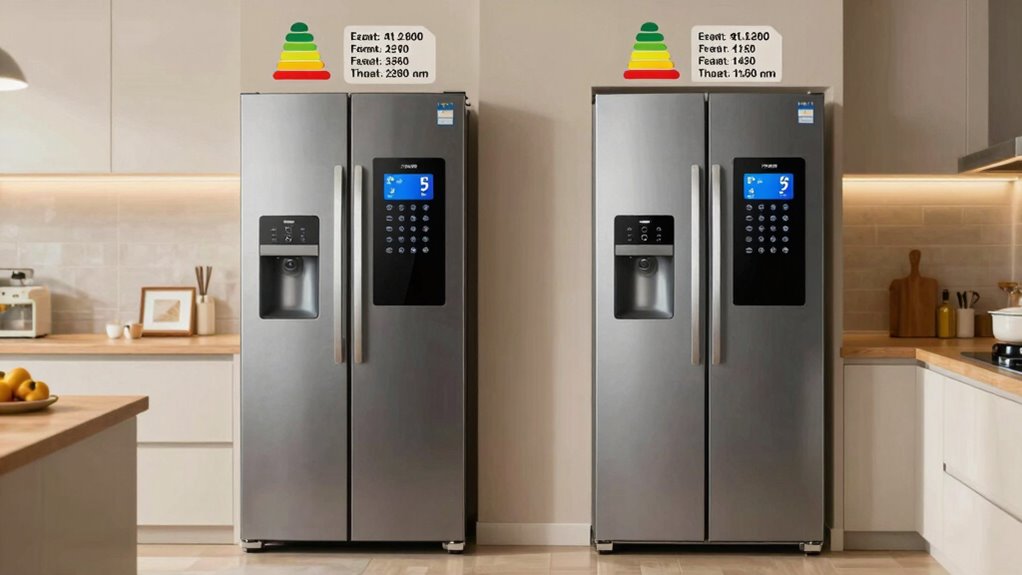
When shopping for household appliances, comparing options carefully can save you money and guarantee you get the right product for your needs. It’s tempting to focus solely on the sticker price, but that’s only part of the story. To truly make an informed decision, you need to look beyond the initial cost and consider the total cost of ownership. This means evaluating how much the appliance will cost you over its lifespan, including energy consumption, maintenance, and durability. A more energy-efficient model might have a higher upfront price, but it can lead to substantial savings on your utility bills over time, making it a smarter investment.
Energy efficiency is one of the most critical factors to consider. Appliances with better energy ratings consume less electricity, which directly impacts your monthly expenses. Look for products with high energy star ratings or those certified for efficiency by reputable organizations. These certifications can guide you toward appliances designed to reduce waste and operate more sustainably. Remember, the most energy-efficient appliances often feature innovative technologies that lower operational costs, so it’s worth paying attention to these details rather than just focusing on the initial price tag. Additionally, understanding total cost of ownership helps you compare appliances more effectively by considering all ongoing expenses, not just the purchase price. Incorporating lifecycle costs into your evaluation ensures you’re making a comprehensive and cost-effective choice in the long run. Recognizing the importance of energy consumption can help you select appliances that align with your budget and environmental values. Being aware of sustainable living practices can further guide you toward eco-friendly choices that benefit both your household and the planet. Moreover, considering long-term savings can motivate you to prioritize efficiency and durability over short-term savings.
As an affiliate, we earn on qualifying purchases.
Frequently Asked Questions
How Often Should I Replace Household Appliances?
You should replace household appliances based on their appliance durability and replacement frequency. Typically, appliances like refrigerators last about 10-15 years, while dishwashers and microwaves might need replacement after 8-10 years. Keep an eye on signs of malfunction or inefficiency, and don’t wait too long to replace an appliance that’s costing more in repairs. Regularly assess their performance to determine the right time for a replacement.
What Maintenance Extends Appliance Lifespan?
Regular maintenance extends your appliance’s lifespan by improving durability and preventing breakdowns. You should perform maintenance frequency checks, such as cleaning filters, inspecting hoses, and lubricating moving parts. For example, cleaning refrigerator coils every six months and changing washer filters annually can notably boost appliance durability. Staying proactive with maintenance not only saves money but also ensures your appliances run efficiently longer, reducing replacement costs over time.
Are Energy-Efficient Appliances More Cost-Effective Long-Term?
Yes, energy-efficient appliances are more cost-effective long-term because they save you money on energy bills over time. You can maximize energy savings by choosing the right appliances and purchasing them at ideal times, like during sales or off-season discounts. This way, you reduce your upfront costs and enjoy ongoing savings, making energy-efficient models a smart investment for your household budget.
How Do Warranties Impact Total Appliance Costs?
Warranties can greatly impact your total appliance costs by covering repair and replacement expenses, which saves you money over time. Don’t assume warranties are unnecessary; they offer peace of mind and protect you from unexpected expenses. Check warranty coverage details carefully—some cover parts only, while others include labor. Investing in appliances with extensive warranties can reduce your long-term costs and ensure your appliances last longer.
Should I Consider Secondhand Appliances for Savings?
Considering secondhand appliances can lead to substantial savings, especially through appliance resale opportunities. You benefit from lower upfront costs and the potential for quality models at a fraction of the original price. However, make sure you inspect the appliance thoroughly, check its age and condition, and verify warranties if available. Secondhand savings are great, but balancing cost with reliability helps prevent unexpected expenses down the line.
Conclusion
By considering the total cost of household appliances—factoring in energy use, maintenance, and lifespan—you make smarter, more economical choices. Remember, the U.S. Department of Energy reports that using energy-efficient appliances can save households up to $500 annually. So, don’t just look at the sticker price; think long-term. Making informed decisions now means you’ll enjoy lower bills and better appliances for years to come.
Halloween Picks
halloween
As an affiliate, we earn on qualifying purchases.