Crypto taxes involve reporting your transactions, like buying, selling, or trading digital assets, to tax authorities. Key terms include cost basis (original price), taxable events (any activity that triggers taxes), and holding period (how long you keep assets before selling). Short-term gains apply to assets held less than a year, while long-term gains usually have lower rates. Understanding these rules helps you stay compliant—keep going to uncover more details on managing your crypto tax obligations.
Key Takeaways
- A taxable event occurs when you buy, sell, or trade crypto, requiring accurate reporting to tax authorities.
- The cost basis is your initial purchase price, used to calculate capital gains or losses upon sale or exchange.
- Holding period determines if gains are short-term (less than a year) or long-term (more than a year), affecting tax rates.
- Proper record-keeping of transaction details, dates, and USD values is essential for accurate tax reporting.
- Failing to report crypto transactions can lead to penalties, audits, and additional tax liabilities.

Are you aware of how crypto taxes work? If not, don’t worry—understanding the basics can seem intimidating at first, but once you get a grasp on key concepts like tax reporting and capital gains, it becomes much clearer. When you buy, sell, or trade cryptocurrencies, you’re required to report these activities to tax authorities, and this process is called tax reporting. The goal is to accurately account for every taxable event involving your digital assets throughout the year. Failing to report these transactions can lead to penalties or audits, so it’s essential to keep detailed records of all your crypto activity.
One of the most important aspects of crypto taxation is understanding capital gains. Whenever you dispose of your crypto—whether by selling, exchanging, or using it to buy goods or services—you realize a capital gain or loss. This gain or loss is calculated by subtracting your cost basis (what you paid for the crypto, including fees) from the amount you received when selling or exchanging it. If the result is positive, you’ve made a capital gain; if negative, you’ve incurred a capital loss. These gains are subject to taxation, and understanding how they are taxed depends on how long you held the asset.
Understanding crypto capital gains involves tracking your purchase price and sale amount to determine taxable profit or loss.
The length of time you hold your crypto directly influences your tax rate. Short-term capital gains, from assets held less than a year, are taxed at your ordinary income tax rate, which can be higher. Long-term gains, from assets held over a year, benefit from lower tax rates, encouraging longer-term investing. Tracking your holding periods is crucial because it determines your tax obligations and can substantially impact how much tax you owe.
When it comes to tax reporting, you need to keep meticulous records of every transaction. This includes dates, amounts, the type of transaction, the value of the crypto in USD at the time of the transaction, and the wallet or exchange used. Many tax software tools now integrate with crypto exchanges, making it easier to compile this data accurately. With proper records, you can complete forms like IRS Schedule D and Form 8949 in the U.S., which detail your capital gains and losses.
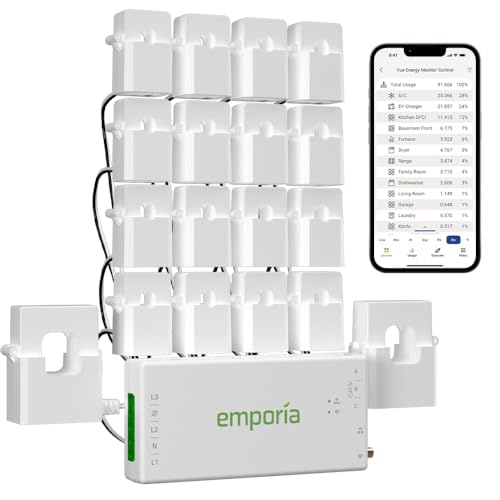
Emporia Vue 3 Home Energy Monitor - Smart Home Automation Module and Real Time Electricity Usage Monitor, Power Consumption Meter, Solar and Net Metering for UL Certified Safe Energy Monitoring
SAFETY YOU CAN TRUST WITH UL CERTIFICATION: With Emporia Energy, your home energy monitoring is safe, reliable, and...
As an affiliate, we earn on qualifying purchases.
Frequently Asked Questions
How Do I Report Crypto Losses on My Tax Return?
You report crypto losses by first calculating your capital gains and losses through tax loss harvesting. When you sell or dispose of crypto at a loss, you record that loss on your tax return, specifically on Form 8949 and Schedule D. If your losses exceed your gains, you can deduct up to $3,000 ($1,500 if married filing separately) against other income, and carry over the remaining loss to future years.
Areairdrops Taxable Events?
Airdrops are generally taxable events because they’re considered crypto giveaways that you receive for free, which means the IRS views them as income. When you get an airdrop, you should report its fair market value as income on your tax return. Keep in mind that different rules may apply depending on the specifics of the airdrop, but in most cases, airdrops are taxable events.
What Is the Tax Treatment for Staking Rewards?
You need to report your staking rewards as taxable income when you receive them. The value of the rewards at the time you get them determines your taxable amount, so keep records of the fair market value. The tax implications mean you’ll pay income tax on these rewards, just like earning wages or interest. Failing to report staking rewards could lead to penalties, so stay compliant and track your earnings carefully.
How Do I Handle Crypto Transactions Made in Foreign Countries?
When handling crypto transactions made in foreign countries, you need to record the foreign currency conversions accurately, including the value in your home currency at the transaction time. Be aware of international tax treaties that might affect your tax obligations and potential relief. Always keep detailed records of these transactions, including exchange rates and dates, to guarantee proper reporting and avoid issues with tax authorities.
Can I Deduct Expenses Related to Crypto Mining?
Think of your crypto mining setup like a home workshop—everything you buy for it, from hardware to electricity, counts as mining expenses. Yes, you can deduct these costs as deductible expenses on your taxes. Keep detailed records of all mining expenses, including equipment, electricity, and maintenance. These costs directly relate to your mining activities and can help reduce your taxable income, just like deducting tools from your workshop.
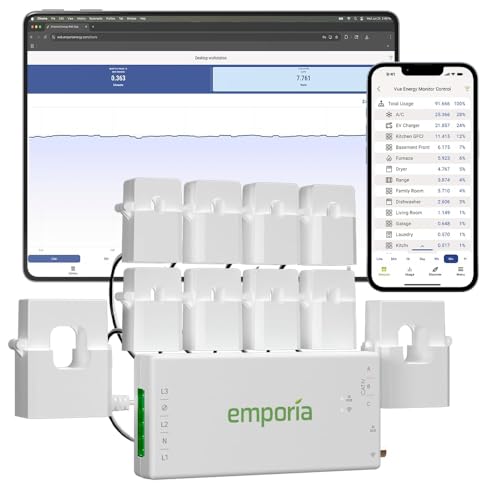
Emporia Vue 3 Home Energy Monitor - Smart Home Automation Module and Real Time Electricity Usage Monitor, Power Consumption Meter, Solar and Net Metering for UL Certified Safe Energy Monitoring
SAFETY YOU CAN TRUST WITH UL CERTIFICATION: With Emporia Energy, your home energy monitoring is safe, reliable, and...
As an affiliate, we earn on qualifying purchases.
Conclusion
Understanding crypto taxes might seem complex at first, but grasping key terms and rules is essential. Did you know that in 2022, over 15% of Americans reported owning cryptocurrencies? Staying informed helps you stay compliant and avoid costly mistakes. By learning the basics, you can confidently navigate your crypto journey and optimize your tax situation. Keep educating yourself, and remember, staying proactive now can save you headaches later.

30A AC Power Meter, 125V L5-30P to L5-30R Generator Plug-in Energy Monitor with LCD Display, Voltage Current Wattage Frequency kWh Tester for Industrial and Backup Power Use
Clear Multi-Parameter Monitoring: Displays voltage, amperage, watt load, frequency, power factor, and total kWh. Provides straightforward readings to...
As an affiliate, we earn on qualifying purchases.

Smart Home Energy Monitor with Real-Time Accurate Energy Consumption Tracking, Supports Home Assistant, Electricity Usage Monitor with Local Control, Open API & Web UI, Solar Metering, ETL Certified
✨NEW✨ OpenClaw Support: Refoss devices now support OpenClaw AI-driven automation with Home Assistant for smarter, seamless control.
As an affiliate, we earn on qualifying purchases.