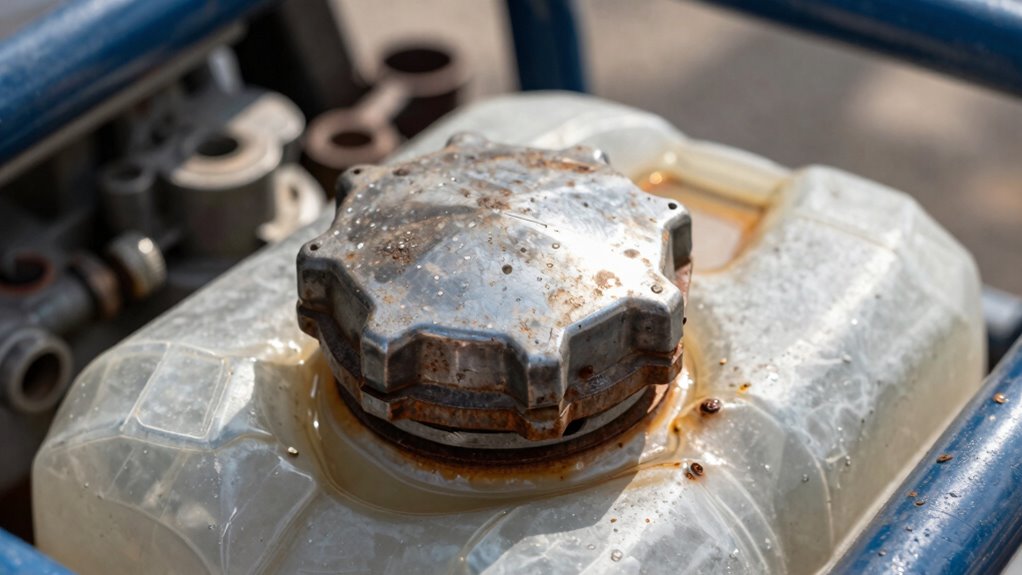

Many buyers realize too late that choosing the right fuel impacts their generator’s performance and longevity during emergencies. You might not consider fuel storage or quality until problems occur, leading to costly repairs or failure when you need power most. Proper fuel selection, storage, and maintenance are essential from the start. If you want to avoid common pitfalls and guarantee your generator’s reliable operation, understanding these key factors now can save you time and money later.

Get everyday essentials delivered free with Prime
- Fast, free delivery on millions of items
- Prime Video, Amazon Music and more included
- Member-only deals all year
Key Takeaways
- Many buyers neglect to verify if their generator’s fuel type matches their intended fuel source before purchase.
- Fuel quality and storage practices are often overlooked until engine performance issues arise.
- Buyers frequently realize late that outdated or improper fuel storage leads to costly repairs.
- Environmental impact considerations of fuel choices are often ignored until after installation or use.
- Proper planning for fuel logistics and testing is usually delayed until an emergency highlights the problem.
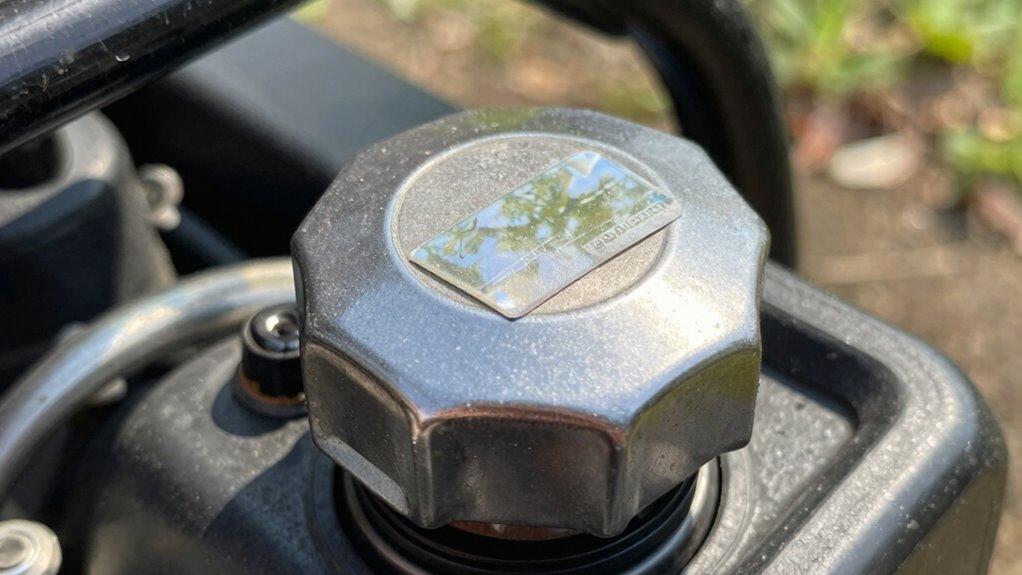
Have you ever wondered what type of fuel is best for your generator or how to guarantee it runs smoothly when you need it most? Many buyers overlook this crucial question until it’s too late, often discovering fuel issues only during power outages or emergencies. The choice of fuel isn’t just about engine performance; it also involves considerations around fuel storage and environmental impact. Poor fuel storage can lead to contamination, degradation, or even safety hazards, which compromises your generator’s reliability. If you don’t plan ahead, you might find yourself scrambling for fresh fuel or dealing with clogged filters and engine trouble when you need your generator most.
Understanding how to properly store fuel is essential. Fuel can deteriorate over time, especially if exposed to heat, light, or moisture. Gasoline, for example, typically lasts three to six months in a sealed container, but if stored improperly, it can become stale or even produce harmful varnishes that clog your engine. Diesel fuels tend to last longer but are not immune to issues like microbial growth or phase separation. Proper storage involves using approved containers, keeping fuel in a cool, dry place, and adding stabilizers if you plan to store it for extended periods. Neglecting these steps means risking fuel quality and, ultimately, your generator’s performance when you need it most. Additionally, being aware of fuel degradation helps you take proactive measures to maintain fuel quality over time. Regularly inspecting your fuel and understanding fuel stability can prevent costly repairs and ensure reliable operation. Recognizing the importance of fuel testing can also help you verify the quality of stored fuel before use. Moreover, understanding fuel additives can sometimes help extend the lifespan of stored fuels and improve their combustion efficiency. Being aware of fuel contamination and how it can affect engine performance emphasizes the need for proper storage and handling practices.
Proper fuel storage prevents deterioration and engine issues during emergencies.
Beyond storage, the environmental impact of your fuel choice should weigh on your mind. Gasoline and diesel are known pollutants, releasing greenhouse gases and other harmful emissions. If your generator runs on outdated or low-quality fuel, it may emit more pollutants, contributing to environmental harm. Conversely, more eco-friendly options like propane or renewable fuels produce fewer emissions, but they might require different equipment or modifications. When you choose your fuel, you’re not just considering performance; you’re also making a decision that affects the environment. Proper fuel management and choosing cleaner options can reduce your carbon footprint and help you stay environmentally responsible.
Most buyers only realize the importance of fuel quality, storage, and environmental impact when their generator fails or causes problems during critical moments. This late realization can lead to costly repairs, delays, or even unsafe situations. To avoid this, it’s best to think about fuel logistics well before an emergency strikes. Educate yourself on appropriate storage methods, consider the environmental implications of your fuel choice, and plan for regular maintenance checks. By doing so, you ensure your generator will run smoothly when you need it most, and you minimize the risks associated with poor fuel management. The best time to ask about your generator’s fuel is before you actually need it—trust me, it’s a question worth answering early.
As an affiliate, we earn on qualifying purchases.
Frequently Asked Questions
How Long Can a Generator Run on a Single Fuel Tank?
You can usually run a generator for about 8 to 12 hours on a single tank, depending on its fuel efficiency and tank capacity. Larger tanks and more fuel-efficient models last longer, so check the specifications. To maximize runtime, consider your power needs and choose a generator with an appropriate tank capacity. Always monitor fuel levels and plan for refueling to guarantee continuous operation during outages.
Are There Alternative Fuel Options for Generators?
Yes, there are alternative fuel options for generators, such as propane, natural gas, and biodiesel. When considering these options, you need to evaluate fuel storage and safety precautions carefully. Propane tanks are safe and easy to store, but guarantee proper ventilation and secure placement. Natural gas offers continuous supply, but installation can be complex. Always follow safety guidelines to prevent leaks or hazards, and consult professionals for proper setup.
How Does Fuel Type Affect Generator Maintenance?
Fuel type dramatically impacts your generator’s maintenance—think of it like choosing a race car versus a daily driver. Gas, diesel, or alternative fuels each affect fuel efficiency and storage considerations differently. Gasoline might be quick to start but requires careful storage to prevent spoilage, while diesel offers better fuel efficiency but needs regular filter checks. Your choice influences how often you’ll service your unit and how smoothly it runs over time.
What Are the Environmental Impacts of Different Fuels?
Different fuels impact the environment in various ways. Renewable sources like solar or wind power produce no emissions, helping reduce your carbon footprint. Conventional fuels like gasoline or diesel emit greenhouse gases, contributing to climate change. Switching to cleaner fuels can lead to significant emission reductions, making your generator more environmentally friendly. By choosing sustainable options, you support a healthier planet and minimize air pollution from your power needs.
Can Generators Switch Fuel Types Easily?
You can switch generator fuel types, but it’s not always easy. Fuel compatibility varies, and many generators aren’t designed for simple conversions. You’ll face conversion challenges like adjusting fuel lines, changing carburetors, or installing new components. Before trying, check your generator’s specifications and consult a professional. Proper planning guarantees safety and efficiency, preventing damage or performance issues that can arise from incompatible fuel types.
Conclusion
Ultimately, understanding your generator’s fuel needs upfront can save you frustration and money down the line. Don’t wait until an outage to realize you’re out of fuel options or that your generator isn’t compatible with your preferred fuel type. Do your homework early, ask the right questions, and choose wisely. By being proactive, you’ll guarantee your generator performs reliably when you need it most, giving you peace of mind and uninterrupted power.
Fall Picks
fall essentials
As an affiliate, we earn on qualifying purchases.