Mandarin Oriental is officially exiting the public markets after a $4.2 billion privatization led by Hong Kong’s Jardine Matheson. Jardine is acquiring the remaining 11.96% shares at $3.35 each, including a special dividend, with the deal expected to finalize by February. This move aims to streamline operations, boost growth, and give the company more flexibility for future expansion. If you want to discover more about this strategic shift, keep exploring the details.

Get everyday essentials delivered free — and shop member deals
- Fast, free delivery on millions of items
- Access to Prime Big Deal Days deals on October 6–7
- Prime Video, Amazon Music and more included
Key Takeaways
- Mandarin Oriental is privatizing through a $4.2 billion deal led by Jardine Matheson.
- The transaction involves acquiring the remaining 11.96% shares at $3.35 per share.
- The move aims to enhance operational flexibility and reduce reliance on public market pressures.
- Asset monetization, including a major property sale in Hong Kong, supports the privatization strategy.
- The privatization reflects investor confidence and allows for strategic repositioning and future growth.
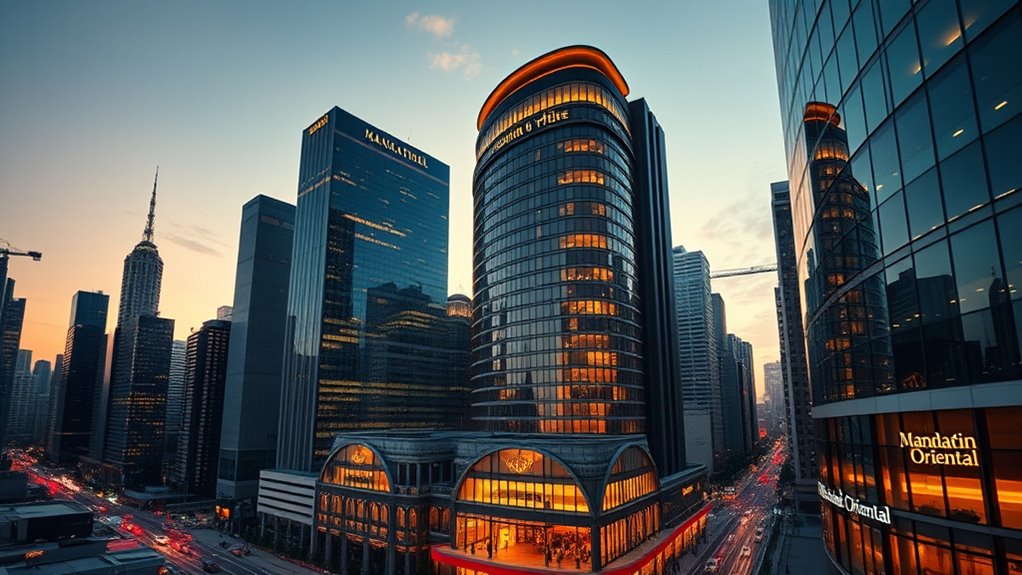
Mandarin Oriental is stepping out of the public eye after being valued at $4.2 billion in a privatization deal led by Jardine Matheson. This move marks a significant shift for the luxury hotel group, which will now operate privately under Jardine’s ownership. The deal involves Jardine Matheson acquiring the remaining 11.96% of shares at $3.35 per share, a price that includes a $2.75 scheme value and a $0.60 special dividend. This offer represents a 52.3% premium over the closing share price of $2.20 on September 29, 2025, offering shareholders a lucrative exit. The process is overseen by an independent Transaction Committee to prevent conflicts, especially since some directors overlap with Jardine Matheson. The acquisition is scheduled to complete by the end of February, pending shareholder approval. Jardine Matheson, a Hong Kong-based conglomerate with a 193-year history, already held a majority stake in Mandarin Oriental before this move. Its diverse interests span property, retail, and automotive sectors, giving it ample experience in managing large, complex businesses. By fully privatizing Mandarin Oriental through its wholly owned subsidiary, Bidco, Jardine aims to streamline operations, support growth initiatives, and better position the luxury hotel group for future expansion. This move signals a strategic shift, allowing the company to reduce reliance on public market pressures and focus on long-term value creation. Mandarin Oriental’s global presence is substantial, operating 43 hotels, 12 residences, and 26 luxury homes across 27 countries and territories. Its flagship property in Hong Kong underscores its real estate strength, and its reputation as a luxury hotel investment and management firm remains intact. The privatization suggests a focus on strengthening its core assets and potentially repositioning or expanding its portfolio without the constraints of quarterly earnings reports. The transaction’s valuation reflects both enterprise value and a control premium, indicating investor confidence in the company’s long-term prospects. Alongside the privatization, Mandarin Oriental agreed to sell the top 13 floors of One Causeway Bay in Hong Kong, including rooftop signage and parking spaces, for about $925 million. Buyers include Alibaba Group and Ant Group, and this sale aligns with the company’s asset monetization strategy, providing liquidity to bolster its balance sheet. The sale of assets and the privatization together show a deliberate effort to optimize the company’s real estate holdings and financial structure. The move to privatize Mandarin Oriental also impacts corporate governance. An independent Transaction Committee, comprised of non-executive directors, ensures fairness and mitigates conflicts, especially since some directors are shared with Jardine Matheson. With the company now removed from public markets, it gains increased operational flexibility, enabling faster decision-making. This shift may lead to more aggressive investments in branding, property development, and service innovation, positioning Mandarin Oriental for a more agile future, free from the quarterly reporting cycle.
As an affiliate, we earn on qualifying purchases.
Frequently Asked Questions
What Is the Future Plan for Mandarin Oriental’s Branding?
Your future branding plan focuses on emphasizing heritage, artistry, and innovation. You’ll see a refined visual identity with a modernized fan symbol, a new elegant typeface, and a rich color palette inspired by cultural traditions. You’ll also experience storytelling through celebrity campaigns and collaborations with local artists. This approach aims to strengthen the brand’s authentic luxury image, connect emotionally with guests, and showcase cultural richness while maintaining a forward-looking, personalized guest experience.
How Will the Exit Impact Existing Hotel Operations?
Like a steady ship cutting through calm waters, your hotel operations will stay resilient. The privatization guarantees management stability, with long-term agreements and existing teams remaining in place. You’ll see continued focus on quality, innovation, and sustainability, all aimed at enhancing guest experiences. Financial backing allows for upgrades and tech improvements, so your hotel can thrive, maintaining excellence and adapting smoothly to the ownership change without disrupting your daily operations.
Are There Any New Owners or Investors Involved?
You should know that Jardine Matheson is now the sole owner of Mandarin Oriental after acquiring all remaining shares. They’ve taken the company private, consolidating full control to support expansion and streamline operations. No new external investors are involved, as the deal fully transfers ownership to Jardine Matheson. This move is designed to give them greater flexibility in managing the hotel group’s growth and strategic priorities.
Will There Be Changes in Employee Management or Policies?
Like a ship adjusting its sails, you can expect some changes in employee management and policies. The new leadership, including a Chief Information Officer, is driving digital transformation, which may lead to updated training, performance reviews, and HR processes. These changes aim to boost operational efficiency and align with the Group’s growth strategy, so you’ll likely see more modern, flexible policies that support innovation, diversity, and employee engagement.
How Will the Exit Influence Mandarin Oriental’s Global Expansion Strategy?
The exit will likely reshape your global expansion plans by prompting a focus on strategic partnerships and operational efficiency. You might see shifts in investment priorities, emphasizing technology and innovative guest experiences to stay competitive. While market perception could influence your growth, your core vision of offering exceptional luxury remains strong. Expect a more agile approach, leveraging new collaborations and optimized operations to expand into vibrant markets worldwide.
Conclusion
As Mandarin Oriental steps back from the spotlight, it’s clear they’re embracing a more subtle approach to growth. This quieter phase might just be the perfect moment for new opportunities to quietly flourish behind the scenes. Sometimes, a gentle pause allows a brand to refine its path, ensuring a brighter future. So, while the world looks elsewhere, the company’s next chapter is quietly taking shape, promising exciting things ahead—just in a more understated way.
Fall Picks
fall essentials
As an affiliate, we earn on qualifying purchases.