
To set SMART financial goals for 2026, you should make sure they are Specific, Measurable, Achievable, Relevant, and Time-bound. Clearly define what you want to accomplish, like saving a certain amount or reducing debt, and set milestones to track progress regularly. Assess your current financial situation to set realistic targets, and establish deadlines to create urgency. Keep these goals focused, flexible, and aligned with your broader ambitions—if you keep exploring, you’ll discover how to make them work best for you.
Key Takeaways
- Define clear, specific financial targets for 2026, such as saving a set amount or eliminating debt.
- Ensure goals are measurable with milestones like quarterly savings or investment reviews.
- Assess your current financial situation to set realistic, achievable objectives aligned with your circumstances.
- Set deadlines for each goal to create urgency and maintain focus throughout 2026.
- Regularly track progress and adjust strategies to stay on course toward your financial objectives.

Are you ready to turn your financial dreams for 2026 into reality? The key to making that happen lies in setting SMART financial goals that are specific, measurable, achievable, relevant, and time-bound. When you approach your financial planning with this framework, you create a clear roadmap that guides your actions and keeps you motivated. To start, focus on crafting goals that are precise and well-defined. Instead of vaguely wishing for “more savings,” aim to save a specific amount, like $10,000 by the end of 2026. This clarity helps you stay focused and track your progress effectively.
Next, make sure your goals are measurable. Incorporate concrete milestones so you can see how far you’ve come and what remains to be done. For example, if you’re working on investment planning, set quarterly targets for contributions or specific investment account balances. Regularly measuring your progress keeps you accountable and allows you to make adjustments if needed. Achievability is equally important. You don’t want to set goals that feel out of reach or discourage you from continuing. Assess your current financial situation honestly—your income, expenses, debts, and savings—then set realistic targets that challenge you but also fit within your capacity. This balance keeps you motivated rather than overwhelmed.
Relevance ensures your goals align with your broader financial ambitions and life circumstances. Ask yourself if each goal truly matters to your future. For instance, paying off high-interest debt should be a priority if it hampers your ability to save or invest. Managing debt effectively frees up resources for investment planning, allowing your money to grow rather than be lost to interest payments. Understanding fundamental financial terms and jargon, such as interest rate and credit score, can also help you make smarter decisions and stay focused on your objectives. Finally, make your goals time-bound. Define a clear deadline, such as reaching a specific savings amount or reducing debt by a certain date in 2026. Deadlines create urgency and help you prioritize your efforts.
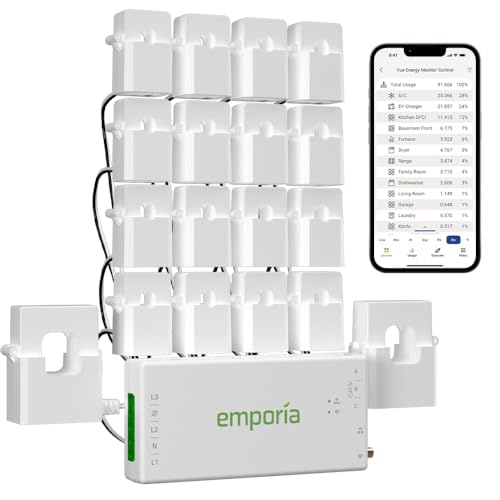
Emporia Vue 3 Home Energy Monitor - Smart Home Automation Module and Real Time Electricity Usage Monitor, Power Consumption Meter, Solar and Net Metering for UL Certified Safe Energy Monitoring
SAFETY YOU CAN TRUST WITH UL CERTIFICATION: With Emporia Energy, your home energy monitoring is safe, reliable, and...
As an affiliate, we earn on qualifying purchases.
Frequently Asked Questions
How Do I Prioritize My Financial Goals Effectively?
To prioritize your financial goals effectively, start by evaluating your current situation, focusing on debt reduction and investment strategies. Tackle urgent debts first to reduce interest costs, then allocate funds toward investments that align with your long-term objectives. Use a ranking system, like importance and timeline, to organize goals. Regularly review and adjust your priorities, ensuring you stay on track to achieve your 2026 financial milestones.
What Tools Can Help Track My Progress Toward These Goals?
Imagine a sleek dashboard in your hand, where budget tracking and financial apps light up your progress like stars guiding your path. These tools, such as Mint or YNAB, help you see your spending, savings, and investments in real-time. By regularly checking these apps, you get a clear visual of your journey, making it easier to stay on track and reach your SMART financial goals for 2026.
How Often Should I Review and Adjust My Financial Plan?
You should review your financial plan at least quarterly to stay on track. During these reviews, conduct a financial audit to assess progress and identify any deviations. If necessary, perform goal recalibration to adjust your strategies based on recent changes or new priorities. Regularly revisiting your plan helps you stay aligned with your SMART goals, ensuring you’re making steady progress toward your 2026 financial objectives.
How Can I Stay Motivated to Achieve Long-Term Goals?
You can stay motivated by building emotional resilience and regularly using visualization techniques. Focus on your long-term vision, imagining the success you’ll achieve, which keeps your spirits high. When setbacks happen, draw on emotional resilience to stay committed, reminding yourself why your goals matter. Visualizing your progress and future rewards helps reinforce your motivation, making it easier to persevere through challenges and stay dedicated to reaching your financial milestones.
What Common Mistakes Should I Avoid When Setting Financial Goals?
Did you know that 60% of Americans don’t have a plan for their finances? When setting financial goals, avoid common mistakes like ignoring your investment strategies or neglecting debt management. Be specific about your targets, set realistic timelines, and regularly review your progress. Don’t make goals too vague or overly ambitious, and always plan for setbacks. This keeps you focused and guarantees steady progress toward your 2026 financial aspirations.
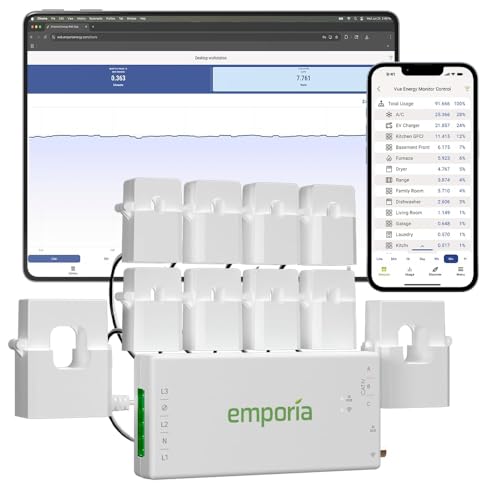
Emporia Vue 3 Home Energy Monitor - Smart Home Automation Module and Real Time Electricity Usage Monitor, Power Consumption Meter, Solar and Net Metering for UL Certified Safe Energy Monitoring
SAFETY YOU CAN TRUST WITH UL CERTIFICATION: With Emporia Energy, your home energy monitoring is safe, reliable, and...
As an affiliate, we earn on qualifying purchases.
Conclusion
By setting SMART financial goals for 2026, you’re more likely to stay focused and achieve your dreams. Remember, people who set clear, measurable goals are 40% more likely to succeed financially. Keep your goals specific, realistic, and time-bound, and review them regularly. With dedication and a solid plan, you’ll be surprised how much you can accomplish by the end of 2026. Start today, and turn your financial vision into reality.

30A AC Power Meter, 125V L5-30P to L5-30R Generator Plug-in Energy Monitor with LCD Display, Voltage Current Wattage Frequency kWh Tester for Industrial and Backup Power Use
Clear Multi-Parameter Monitoring: Displays voltage, amperage, watt load, frequency, power factor, and total kWh. Provides straightforward readings to...
As an affiliate, we earn on qualifying purchases.

Smart Home Energy Monitor with Real-Time Accurate Energy Consumption Tracking, Supports Home Assistant, Electricity Usage Monitor with Local Control, Open API & Web UI, Solar Metering, ETL Certified
✨NEW✨ OpenClaw Support: Refoss devices now support OpenClaw AI-driven automation with Home Assistant for smarter, seamless control.
As an affiliate, we earn on qualifying purchases.