

To reduce daily financial stress, use your cash buffer to handle unexpected expenses without worry. By having 3 to 6 months’ worth of essential expenses saved, you can cover surprises like medical bills or car repairs easily. Automate your savings so your buffer grows steadily over time. This security lets you focus on your goals without constant financial stress. Keep exploring ways to strengthen your safety net and feel more confident managing your money daily.

Get everyday essentials delivered free with Prime
- Fast, free delivery on millions of items
- Prime Video, Amazon Music and more included
- Member-only deals all year
Key Takeaways
- Use your cash buffer to cover unexpected expenses, avoiding the need for high-interest borrowing.
- Regularly review and adjust your buffer to ensure it meets your current financial needs.
- Automate savings contributions to steadily build and maintain your buffer without added stress.
- Rely on your cash buffer during income disruptions to maintain financial stability.
- Keep your buffer accessible but separate from daily spending accounts to prevent unnecessary depletion.
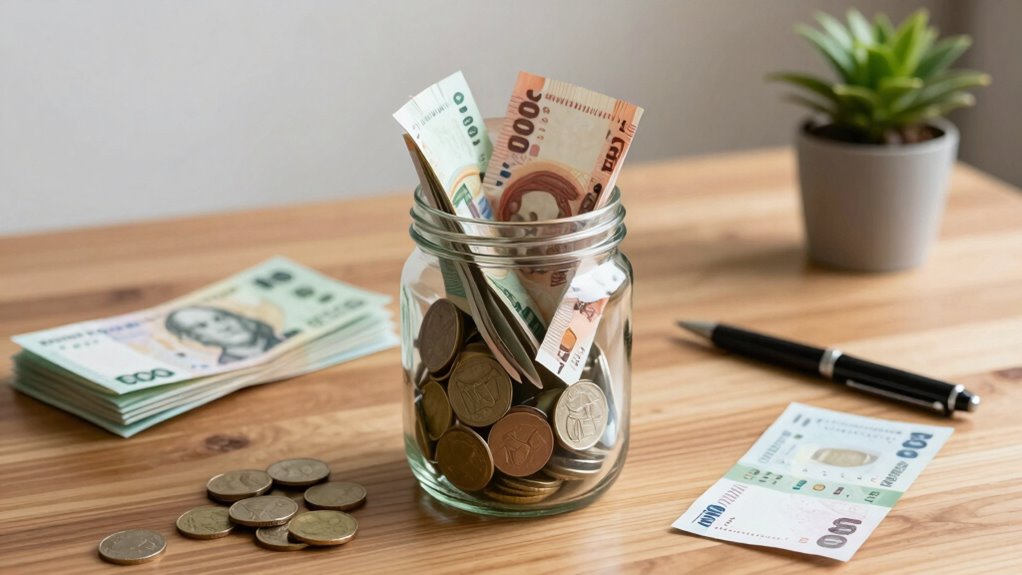
Have you ever felt overwhelmed by unexpected expenses or the fear of running out of money? If so, you’re not alone. Many people experience financial stress because they don’t have a safety net in place. One effective way to ease this worry is by using cash buffers—funds set aside specifically to cover unforeseen costs. Building a cash buffer can give you peace of mind and make your daily financial life more manageable. It’s not just about having money; it’s about creating a strategy that supports your overall financial health, including investment planning and debt management.
Start by evaluating your monthly expenses and identifying how much you need to cover essential costs, such as rent, utilities, groceries, and transportation. Once you know your baseline, aim to set aside enough to cover three to six months’ worth of these expenses. This amount acts as your cash buffer. By having this reserve, you reduce the immediate pressure of sudden bills or emergencies, allowing you to handle surprises without resorting to high-interest debt or disrupting your long-term goals. Think of this buffer as a financial cushion that absorbs shocks and keeps you steady during turbulent times.
Evaluate your expenses and save three to six months’ worth as a financial cushion.
A key benefit of maintaining a cash buffer is that it supports better investment planning. When you’re not forced to liquidate investments to cover urgent expenses, your money can stay invested and grow over time. This means your cash buffer acts as a safeguard, so you don’t have to compromise your future wealth for current needs. Additionally, having this reserve makes debt management easier. If unexpected costs arise, you’re less likely to rely on credit cards or loans, which can lead to debt spirals. Instead, you can pay off immediate bills with your cash buffer, keeping your debt levels manageable and preventing interest from piling up.
Building a cash buffer doesn’t mean you need to stash a large sum overnight. Start small—set aside a portion of your paycheck regularly until you reach your target. Automate your savings if possible, so you don’t have to think about it each month. Over time, these small contributions add up, giving you confidence that you’re prepared for whatever comes your way. Remember, the goal isn’t to eliminate all financial stress but to create a safety net that supports your overall financial strategy, making life’s surprises less intimidating. Developing financial resilience can help you better handle unexpected events and reduce anxiety about your money.
Understanding the importance of cash buffers can help you develop a more resilient financial plan that aligns with your lifestyle and priorities. Building this kind of financial safety net also contributes to a more sustainable and less stressful approach to managing your finances, especially in times of economic uncertainty. Incorporating emergency funds, which are a crucial part of financial buffers, into your financial planning can further strengthen your ability to face unforeseen challenges confidently.
As an affiliate, we earn on qualifying purchases.
Frequently Asked Questions
How Much Cash Should I Keep in My Buffer?
You should keep enough in your cash buffer to cover three to six months of living expenses, depending on your job stability and financial situation. Incorporate budgeting techniques to determine these costs accurately. This reserve acts as a safety net during unexpected expenses or investment downturns. Adjust your buffer size over time as your income or expenses change, ensuring you always have a financial cushion to reduce daily stress.
Should Cash Buffers Be Kept in Cash or Savings Accounts?
You should keep your cash buffers in a savings account, not cash. Imagine a safety net ready at your fingertips—liquidity management is essential for quick access, especially during emergencies. Savings accounts offer both security and easy access, aligning with sound investment strategies. Keeping cash in a savings account ensures your buffer is liquid, protected, and ready to support you without risking unnecessary loss or delays.
How Often Should I Review and Adjust My Cash Buffer?
You should review and adjust your cash buffer quarterly or whenever your expense tracking reveals significant changes. Regular checks help you align your buffer with your current investment strategy and expenses. If your income or expenses fluctuate, increase or decrease your buffer accordingly to stay prepared for unexpected costs. Consistent reviews guarantee your cash buffer remains effective, giving you peace of mind and reducing daily financial stress.
Can Cash Buffers Replace Emergency Funds?
A cash buffer isn’t a superhero cape—it’s not enough to replace emergency funds. While cash buffers help with daily expenses and reduce stress, they’re just one piece of your financial planning puzzle. You still need a dedicated emergency fund for unexpected disasters. Use investment strategies alongside cash buffers to build a resilient financial safety net, ensuring you’re prepared for anything life throws your way.
What Are Common Mistakes When Setting up Cash Buffers?
A common mistake when setting up cash buffers is not aligning them with your overall financial planning or investment strategies. You might keep too much liquid cash, which could earn little return, or too little, leaving you vulnerable during unexpected expenses. Avoid these pitfalls by evaluating your needs carefully, balancing your cash buffers with other investments, and regularly reviewing your financial plans to guarantee your cash reserves support your goals effectively.
Conclusion
By building a cash buffer, you’re not just saving money—you’re creating your personal sanctuary from financial storms, much like a captain preparing their ship for rough seas. With a well-stocked buffer, you’ll face daily expenses with confidence, knowing you’re ready for the unexpected. Remember, the calm after the storm begins with that first step: setting aside a little each day. Embrace this habit, and watch your financial worries gradually fade into the background.
Halloween Picks
halloween
As an affiliate, we earn on qualifying purchases.