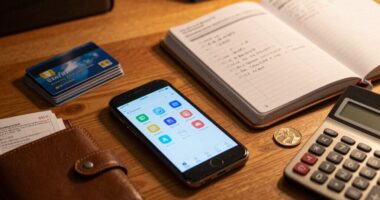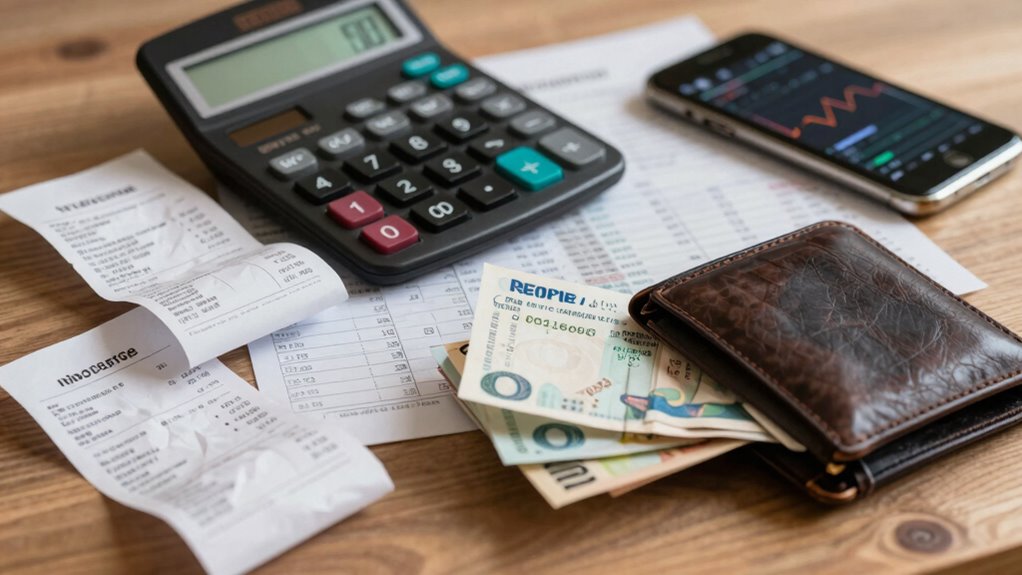

Variable expenses can wreck your plans because they’re unpredictable and often come up unexpectedly, unlike big purchases that you can plan and budget for in advance. These surprises can eat into your savings or emergency fund, forcing tough choices or debt. Since they fluctuate month to month, they threaten your financial stability and require ongoing vigilance. By understanding how to manage these costs, you can protect your finances—more tips await if you keep going.

Get everyday essentials delivered free with Prime
- Fast, free delivery on millions of items
- Prime Video, Amazon Music and more included
- Member-only deals all year
Key Takeaways
- Variable expenses are unpredictable and can spike unexpectedly, disrupting budgets more often than planned big purchases.
- They can quickly deplete savings or emergency funds, undermining overall financial stability.
- Unlike big purchases, variable expenses are not always anticipated or scheduled, making them harder to manage proactively.
- Sudden fluctuations in variable costs force frequent budget adjustments, increasing financial stress and planning complexity.
- Rigid budgets without flexibility leave little room to absorb unforeseen variable expenses, risking financial setbacks.

Variable expenses can easily derail your financial plans if you’re not careful. They’re unpredictable, often fluctuating month to month, which makes it tough to stay on track. Unlike big purchases, which are usually planned and budgeted in advance, variable expenses can sneak up on you, throwing off your entire financial strategy. This unpredictability can threaten your budget flexibility, forcing you to make difficult choices or dip into savings unexpectedly. If you’re not prepared, these expenses can also undermine your emergency preparedness, leaving you vulnerable when unexpected costs arise.
Because variable expenses are less predictable, they tend to be a larger threat to your financial stability than large, planned purchases. Big purchases, like a new appliance or a vacation, typically involve deliberate savings over time or a specific fund set aside for those expenses. You know when they’re coming, so you can plan accordingly. Variable expenses, on the other hand, such as utility bills, groceries, or spontaneous repairs, fluctuate unexpectedly. One month, your electricity bill might spike, or your car might need an urgent repair. These costs can eat into your savings or emergency fund if you’re not vigilant. Additionally, understanding how to manage indoor air quality can contribute to overall well-being and reduce unexpected health-related expenses that may arise from poor indoor environments. Recognizing the role of financial literacy in managing these costs can empower you to make smarter financial decisions.
Your ability to maintain budget flexibility is essential here. When you’re flexible with your spending, you can absorb these unforeseen costs without throwing your entire financial plan off course. Building a buffer or an emergency fund is indispensable to cover the surprises that variable expenses bring. Without this buffer, you might find yourself in a tight spot when expenses spike, forcing you to cut back on essentials or go into debt. Moreover, staying informed about financial planning strategies can help you better prepare for these fluctuations. Developing a comprehensive budget that accounts for variability can also help you stay on track and reduce stress when expenses unexpectedly rise. In summary, managing variable expenses requires a proactive approach—monitoring your spending regularly, adjusting your budget, and maintaining a reserve that can handle unexpected costs.
Emergency preparedness hinges on your ability to anticipate and respond to these fluctuating expenses. If your finances are too rigid, you leave no room for error when unpredictable costs hit. By keeping some wiggle room in your budget, you’re better positioned to handle the surprises that variable expenses create. This approach doesn’t mean you need to spend less overall; it simply means being strategic and adaptable. When you prioritize emergency preparedness, you’re less likely to be caught off guard, and your financial plans stay on course despite the inevitable ups and downs of variable expenses. Staying vigilant and flexible—a strategic mindset—are two essential tools that protect your financial future from the chaos of unpredictable costs.
As an affiliate, we earn on qualifying purchases.
Frequently Asked Questions
How Can I Predict My Variable Expenses More Accurately?
To predict your variable expenses more accurately, start tracking your cash flow daily or weekly. Use expense tracking apps or a simple spreadsheet to record every purchase, noting patterns and fluctuations. Analyzing this data helps you identify trends and set realistic budgets. By staying consistent with tracking, you gain better insight into your spending habits, making future expense predictions more precise and helping you manage your finances effectively.
What Are Common Examples of Unexpected Variable Costs?
Unexpected variable costs can hit harder than a hurricane. Common examples include emergency repairs, medical bills, or sudden car maintenance. These expenses often catch you off guard, stressing your emergency fund. To stay prepared, expense tracking helps you identify patterns and allocate funds wisely. Building a solid emergency fund guarantees you’re ready for surprises, preventing small setbacks from turning into major financial wreckage.
How Do Variable Expenses Impact Long-Term Financial Goals?
Variable expenses can profoundly impact your long-term financial goals because they reduce your financial flexibility. When these costs fluctuate unexpectedly, it becomes harder to accurately forecast expenses, making budgeting more challenging. This unpredictability can lead to missed savings opportunities or the need to cut back on future investments. To stay on track, prioritize expense forecasting and set aside extra funds for variable costs, ensuring your long-term plans remain achievable despite unexpected changes.
Can Budgeting Help Control Unpredictable Variable Expenses?
Think of budgeting like a GPS for your finances—you need to track your route closely. Yes, budgeting can help control unpredictable variable expenses through consistent cost tracking and expense categorization. When you categorize expenses, you identify patterns, making it easier to adjust. For example, if you notice weekly dining out spikes, you can set limits. This proactive approach keeps your spending in check, even when costs fluctuate unexpectedly.
What Strategies Reduce the Negative Effects of Variable Expenses?
You can reduce the negative effects of variable expenses by practicing frugal living and consistently tracking your expenses. Set aside a specific budget for fluctuating costs and review your spending regularly. Use expense tracking apps to identify patterns and cut unnecessary costs. By staying disciplined and mindful of your spending habits, you’ll better manage variable expenses, preventing them from derailing your financial plans and helping you stay on track toward your goals.
Conclusion
In the end, variable expenses disrupt your plans, drain your savings, and derail your goals. They sneak in with impulsive buys, unexpected costs, and fluctuating bills. They tempt you to overspend, tempt you to overlook, tempt you to forget. Staying mindful, tracking diligently, and planning ahead—these habits help you keep variable expenses in check. Because when you control your variable expenses, you protect your plans, preserve your progress, and empower your financial future.
Halloween Picks
halloween
As an affiliate, we earn on qualifying purchases.