
Layering different materials in your home creates visual interest and tactile variety, making your space feel more curated and personal. Combining textures like smooth marble with rustic wood adds depth and contrast, while thoughtful color coordination keeps everything harmonious. This mix prevents a space from feeling flat or sterile, inviting you to touch and explore. By playing with textures, finishes, and lighting, you can craft a layered, inviting atmosphere that truly reflects your style—if you stay tuned, you’ll discover even more ways to enhance your home.

Get everyday essentials delivered free with Prime
- Fast, free delivery on millions of items
- Prime Video, Amazon Music and more included
- Member-only deals all year
Key Takeaways
- Layering different textures creates visual and tactile interest, making spaces feel more dynamic and personalized.
- Combining various materials adds depth and complexity, giving a curated, collected appearance.
- Textural contrasts highlight architectural features and focal points within the home.
- Layering materials enhances cohesion through harmonious color palettes and balanced finishes.
- The interplay of textures and lighting creates a warm, inviting atmosphere that reflects personal style.
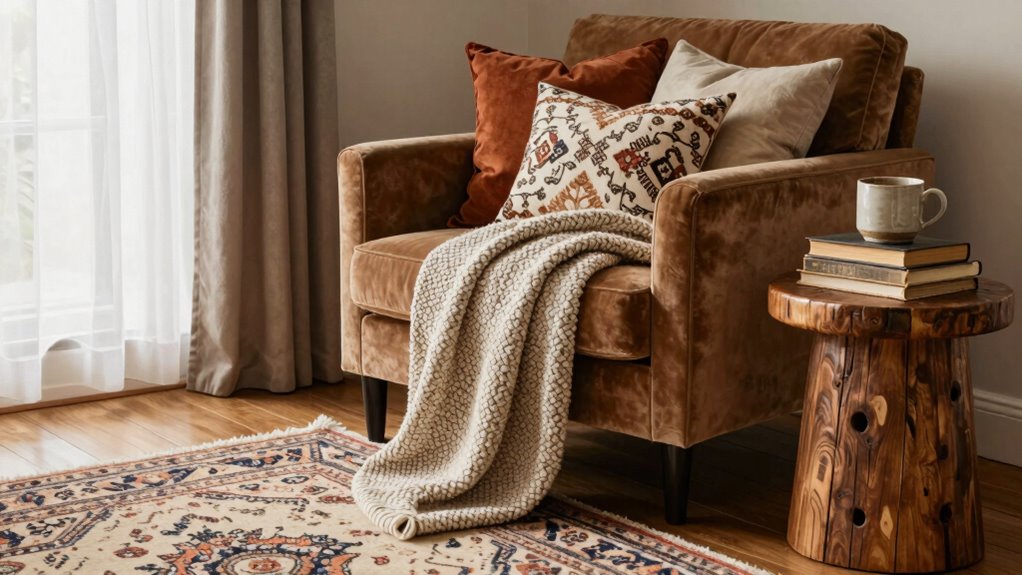
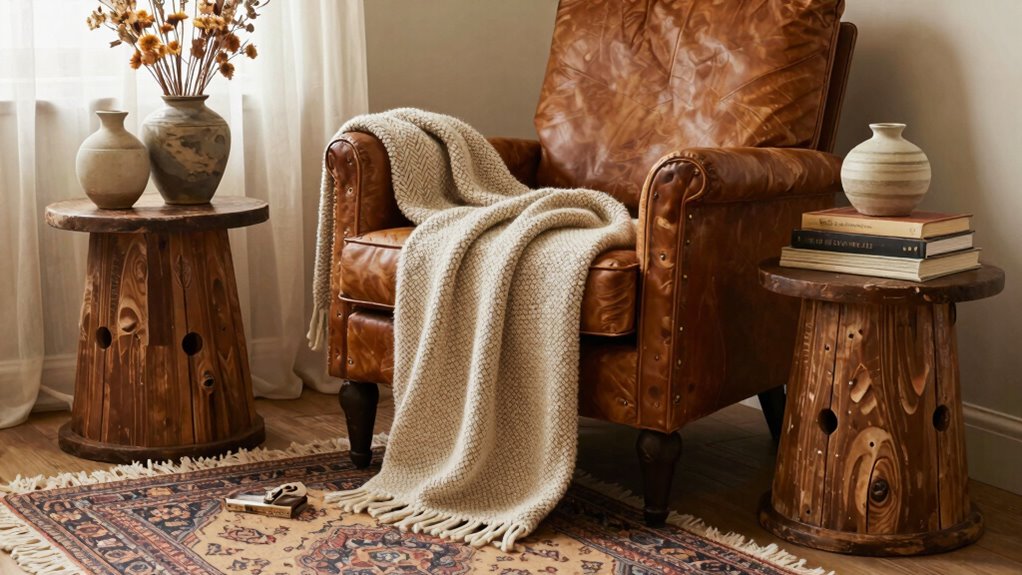
Layering materials in homes is an effective way to enhance comfort, durability, and energy efficiency. When you add different textures and finishes, your space instantly feels more inviting and thoughtfully curated. One vital aspect of successful layering is creating textural contrasts. By combining smooth surfaces with rougher, more tactile materials, you add visual and tactile interest that draws the eye and invites touch. For example, pairing a sleek, polished marble countertop with a rustic wooden dining table creates a dynamic contrast that makes each element stand out. This interplay of textures adds depth to your decor, making your home feel layered and lived-in rather than flat or sterile. Incorporating natural materials not only supports sustainable living practices but also enhances the authenticity and warmth of your space. Additionally, understanding how different materials react to lighting can help you optimize their impact and maintain harmony in your design. Paying attention to how materials age over time can also contribute to a more timeless aesthetic, enriching the overall character of your home. Moreover, considering how materials respond to indoor air quality can help you select options that support a healthier environment in your home.
Color coordination also plays an essential role in making your layered interiors feel cohesive and collected. When you choose a harmonious color palette, each material enhances the others rather than competing for attention. Think about selecting shades that complement each other—muted tones paired with richer hues or monochromatic schemes with subtle variations. When you layer different fabrics, rugs, or wall finishes, keeping the colors aligned guarantees that your space feels balanced and unified. This approach allows your eyes to flow seamlessly across different materials, creating a sense of harmony and intentionality.
As you experiment with layering, don’t shy away from mixing different materials and finishes. The key is to strike a balance so that no single element overwhelms the space. Incorporate textiles like plush throws or velvet cushions alongside sleek, modern furniture. Use natural materials like stone, wood, and metal together, paying attention to how their colors and textures complement each other. When you do this thoughtfully, your home becomes a curated collection of pieces that tell a story, reflecting your personal style and taste. Embracing textural contrasts can also help you highlight certain features or focal points within your space.
Layering also influences how your home feels in different lighting conditions. Textural contrasts catch and reflect light in unique ways, adding subtle shifts in tone and depth throughout the day. Meanwhile, consistent color coordination helps maintain a sense of order, preventing your space from feeling chaotic or cluttered. By consciously combining these elements, you create a layered environment that feels collected, warm, and full of character.
Ultimately, when you pay attention to textural contrasts and color coordination, your home transforms into a space that’s not only functional but also rich with personality and charm. It’s about curating a layered look that’s both intentional and inviting, making your house truly feel like a reflection of you.
marble and rustic wood home decor
As an affiliate, we earn on qualifying purchases.
As an affiliate, we earn on qualifying purchases.
Frequently Asked Questions
How Do I Balance Different Textures Without Cluttering My Space?
To balance different textures without clutter, focus on thoughtful furniture placement to create visual flow. Mix smooth and rough surfaces, like a velvet sofa paired with a woven rug, ensuring they complement rather than compete. Use lighting effects to highlight varied textures, drawing attention to their details. Keep accessories minimal and purposeful, allowing each material to stand out without overwhelming the space. This approach keeps your home inviting and stylish.
What Are the Best Materials to Layer for a Cozy Feel?
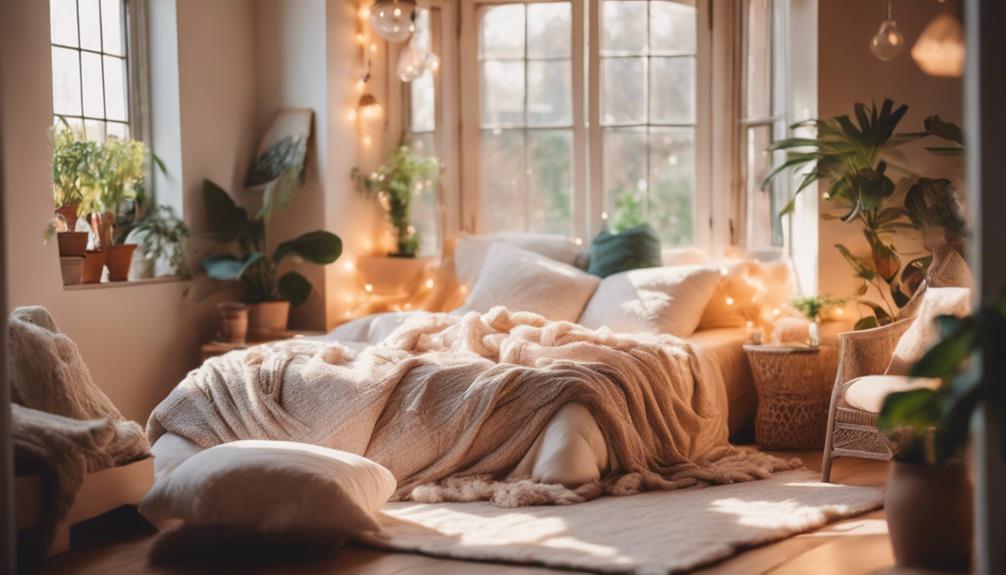
Imagine a plush velvet sofa paired with a chunky knit throw, creating perfect textural contrast. To achieve a cozy feel, layer soft materials like wool, chenille, and linen, which promote material harmony. Incorporate warm woods and metallic accents to add depth. These combinations invite comfort and visual interest, making your space feel inviting and personalized. Focus on balancing textures without overwhelming your room, and you’ll enjoy a warm, collected atmosphere.
How Can I Layer Materials in Small or Open-Plan Homes?
To layer materials in small or open-plan homes, focus on strategic furniture arrangement to define spaces and create cozy zones. Use lighting strategies like layered lighting with table lamps, floor lamps, and soft overhead lights to add warmth and depth. Incorporate varied textures in textiles, rugs, and decor to add visual interest without cluttering the space. This combination creates a layered, inviting atmosphere that feels collected and thoughtfully designed.
Are There Any Color Considerations When Layering Materials?
When layering materials, color harmony is key to creating a cohesive look, so choose shades that complement each other. Incorporate contrasting shades to add depth and visual interest without overwhelming the space. You might pair warm tones with cool hues or muted colors with richer accents. Keep a balanced palette, and consider how different textures and colors interact, ensuring your layers feel intentional and inviting rather than chaotic.
How Often Should I Update Layered Materials for a Fresh Look?
You should update layered materials every season or so to keep your space fresh, especially if you enjoy changing your decor often. Keep your decorating budget in mind—small updates like new throw pillows, blankets, or rugs can make a big difference. Seasonal updates help refresh your look without overspending, allowing you to enjoy a stylish, collected home that feels current and inviting throughout the year.
Conclusion
Layering materials in your home is like weaving a rich tapestry—each thread adding depth and personality. When you combine different textures, colors, and fabrics, you create a space that feels thoughtfully collected, not just decorated. Think of it as adding notes to a song; each element contributes to a harmonious whole. Embrace the layers, and watch your home become a beautiful melody of comfort and style that truly reflects you.
Halloween Picks
halloween
As an affiliate, we earn on qualifying purchases.