
Pressure washer numbers like PSI and GPM tell you how powerful and fast a machine can clean. PSI measures water pressure—higher means a stronger spray, good for tough jobs. GPM shows how much water flows—more speeds up cleaning. To get the best results and avoid damage, choose a washer with the right balance of these numbers for your surface. Keep exploring, and you’ll discover how to pick and use your pressure washer wisely.
Open a free Amazon Business account
Business pricing, bulk buying and tax-exempt orders.
As an affiliate, we earn on qualifying purchases.
Key Takeaways
- PSI indicates water pressure; higher PSI means a more powerful spray for tough cleaning tasks.
- GPM measures water flow rate; higher GPM cleans faster but uses more water.
- Low PSI and wider nozzles are gentle, ideal for cars and painted surfaces.
- High PSI with narrow nozzles is suitable for heavy-duty cleaning like driveways.
- Balancing PSI and GPM ensures effective cleaning without damaging surfaces or wasting water.
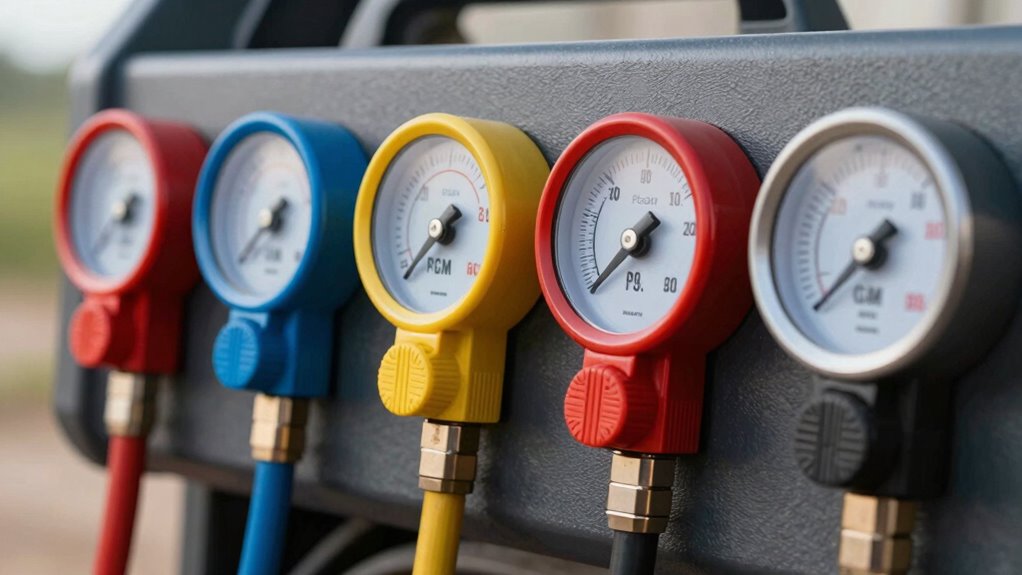
When choosing a pressure washer, understanding the numbers that appear on the machine is essential for selecting the right model for your needs. Those numbers—like 2000 PSI or 3 GPM—are more than just specs; they tell you how powerful the washer is and what tasks it can handle. PSI, or pounds per square inch, measures the pressure of the water coming out of the nozzle. The higher the PSI, the more forceful the spray, which is perfect for heavy-duty cleaning tasks like stripping paint or cleaning concrete. On the other hand, GPM—gallons per minute—indicates how much water flows through the machine. A higher GPM means more water is used, which speeds up cleaning but also increases water consumption. Balancing PSI and GPM helps you pick a washer that’s powerful enough for your jobs without wasting water or damaging surfaces.
Understanding these numbers is crucial for applying the right cleaning techniques. For delicate surfaces like cars or painted wood, you want lower PSI to avoid damage, and a wider spray nozzle helps distribute the pressure evenly. For tougher jobs like cleaning decks or driveways, higher PSI with narrow nozzles delivers the necessary force. These numbers also influence how you approach equipment maintenance. For instance, a higher PSI machine demands more regular inspection of seals and hoses to prevent leaks and ensure safety. Maintaining your equipment—checking nozzles for clogs, replacing worn parts, and cleaning filters—keeps it functioning efficiently and extends its lifespan. Regular pressure regulation can help prevent accidental damage during use, making it an important safety consideration. Additionally, understanding the water flow rate helps optimize cleaning efficiency and water usage. Proper nozzle selection based on the PSI and GPM can greatly improve cleaning results and reduce wear on your equipment. Regular equipment maintenance, like flushing out hoses and replacing nozzles, keeps your pressure washer performing at its best. This not only saves you time and effort but also protects your investment. When you understand the significance of these numbers and how they relate to cleaning techniques and equipment upkeep, you make smarter choices and get better results with less risk of damage or breakdown. So, next time you’re shopping or using your pressure washer, pay close attention to those numbers—they’re your guide to safe, effective, and efficient cleaning.
pressure washer with adjustable PSI
As an affiliate, we earn on qualifying purchases.
As an affiliate, we earn on qualifying purchases.
Frequently Asked Questions
How Do Pressure Washer PSI Numbers Affect Cleaning Results?
Higher PSI numbers mean more power, helping you clean tougher stains and prepare surfaces effectively. If you’re tackling dirt or grime, a higher PSI improves surface preparation. Just remember, using too high a PSI can damage delicate surfaces, so always match the pressure to the task. Proper equipment maintenance guarantees consistent performance, so keep your pressure washer in shape to get the best cleaning results and avoid unnecessary wear.
What Does GPM Indicate in Pressure Washers?
GPM, or gallons per minute, indicates how much water your pressure washer flows during use. Higher GPM means more water cleans surfaces faster, which is great for chemical cleaning and tackling tough dirt. However, you need to confirm surface compatibility; some surfaces may be damaged by high GPM water flow. Choosing the right GPM helps you efficiently clean without risking surface damage, especially when using chemicals.
Is a Higher PSI Always Better?
A higher PSI isn’t always better because it can affect pressure consistency and equipment durability. If the pressure’s too high for the job, you risk damaging surfaces or wearing out your pressure washer faster. Choose a PSI that matches the task at hand, ensuring steady pressure and protecting your equipment. The right balance improves cleaning efficiency without compromising the longevity of your pressure washer.
How Do I Choose the Right Pressure Washer for My Project?
Choosing the right pressure washer feels like finding a superhero sidekick for your project. You need to take into account surface preparation—some materials require lower PSI to avoid damage— and detergent compatibility, ensuring you can use cleaning solutions effectively. Match the PSI and GPM to your task, whether it’s cleaning decks or prepping surfaces. This way, you get the perfect balance of power and safety, making your project smooth and efficient.
What Safety Precautions Should I Take With High-Pressure Washers?
When using a high-pressure washer, always wear safety gear like goggles, gloves, and sturdy boots to protect against water hazards and flying debris. Keep a safe distance from the nozzle and never point it at yourself or others. Be cautious of slippery surfaces caused by water runoff, and make sure the area is clear of obstacles. Always read the manufacturer’s instructions to prevent accidents and ensure safe operation.
Conclusion
Now that you understand what those pressure washer numbers mean, you’re better equipped to choose the right tool for your needs. Think of it like revealing a secret code—suddenly, everything makes sense. With this knowledge, you can confidently tackle your cleaning projects and transform your space. So go ahead, pick up that pressure washer and make those stubborn stains vanish like they were never there. Your sparkling clean home is just a spray away!
Labor Day sales Picks
labor day deals
As an affiliate, we earn on qualifying purchases.