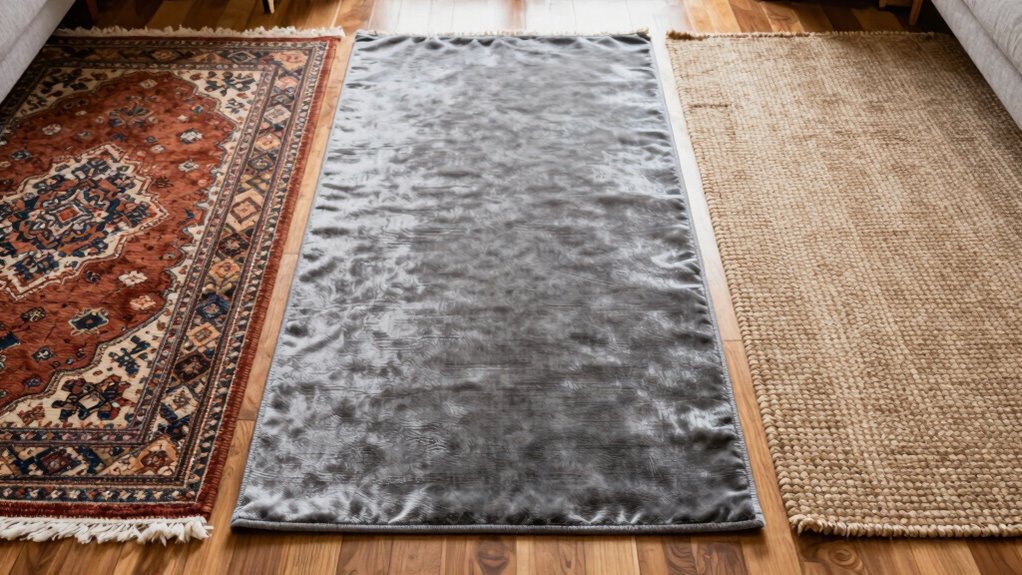

In your home, choosing between wool, synthetic, or jute rugs can change how your space looks and functions. Wool rugs add warmth, durability, and a cozy feel, perfect for high-traffic areas. Synthetic options are easy to maintain, resist stains, and work well in busy, spill-prone spaces. Jute offers a casual, natural look, ideal for laid-back decor but less durable in moisture-prone spots. Keep exploring to learn how each material fits your lifestyle and style preferences.
Key Takeaways
- Wool rugs offer durability and a cozy aesthetic, ideal for high-traffic areas in real homes.
- Synthetic rugs provide easy maintenance and resistance to stains, suitable for busy households.
- Jute rugs add a casual, earthy look but are less durable and better suited for low-traffic, decorative spaces.
- Eco-friendly options like wool and jute are sustainable choices, while synthetics are less environmentally friendly.
- Material choice impacts maintenance, longevity, and style, influencing how rugs fit into daily home life.
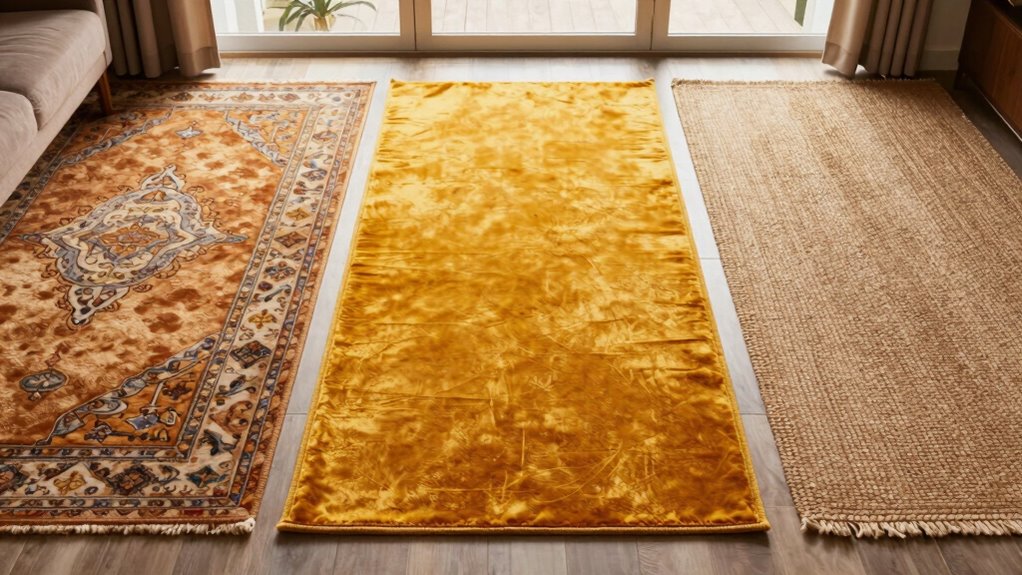
Choosing the right rug material is essential because it directly impacts the rug’s durability, comfort, and appearance. When selecting, you’ll want to consider eco-friendly options, especially if sustainability matters to you. Wool, synthetic fibers, and jute each offer different benefits and drawbacks, so understanding their durability considerations and environmental impacts helps you make an informed choice for your home.
Wool is a natural fiber renowned for its durability and softness. It’s a great eco-friendly option because it’s renewable, biodegradable, and often sourced from sheep raised sustainably. Wool rugs tend to withstand heavy foot traffic, making them a smart choice for busy areas like living rooms or hallways. Their resilience means they resist crushing and wear over time, and they naturally repel dirt and stains, which simplifies maintenance. However, wool does require some care; it’s sensitive to moisture and can be prone to moth damage if not properly cared for. Still, its longevity and natural insulating properties often justify the investment, especially if you want a cozy, durable rug that’s environmentally conscious.
Synthetic options, like nylon, polyester, and polypropylene, are popular for their affordability and ease of maintenance. They’re often manufactured using petrochemicals, which makes them less eco-friendly than natural fibers. But recent innovations have introduced more sustainable synthetic fibers, some made from recycled plastics, which can be regarded as eco-friendly options. Synthetic rugs excel in durability, resisting stains, fading, and moisture, making them ideal for high-traffic or spill-prone areas. Their resilience means they can handle kids, pets, and daily wear without much fuss. However, synthetic fibers are not biodegradable, and their production involves energy-intensive processes. If environmental impact is a concern, you might weigh these durability considerations against the eco aspect, especially if opting for recycled synthetics.
Jute presents another eco-friendly option, derived from natural plant fibers. It’s biodegradable, renewable, and tends to be affordable. Jute rugs bring a casual, earthy look that fits well in relaxed, bohemian, or rustic interiors. They’re lightweight and easy to handle but are less durable than wool or high-quality synthetics. Jute can wear down quickly in high-traffic areas and is sensitive to moisture, which can cause mold or deterioration. If you’re after an eco-friendly rug that adds texture and style but don’t need it to last for decades, jute can be a good fit. Just keep in mind its limitations in durability considerations, especially in homes with active households or damp environments.
Additionally, innovations in eco-friendly materials are expanding choices for environmentally conscious consumers. Ultimately, your choice should balance eco-friendliness with durability considerations. Wool offers longevity and sustainability, synthetics provide resilience and easy maintenance, and jute delivers a natural, eco-friendly aesthetic with a shorter lifespan. Knowing your priorities and how you use your space will help you select the best material for your home.
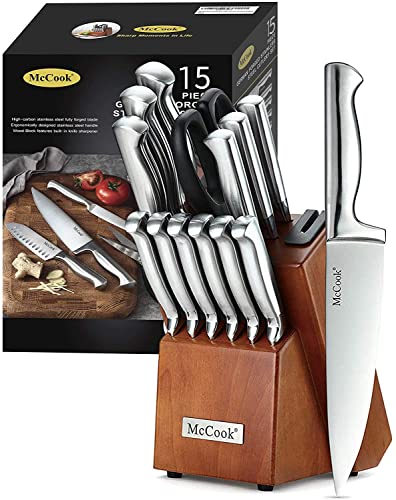
McCook® Knife Sets, German Stainless Steel Kitchen Knife Block Sets with Built-in Sharpener
【Exclusive Built-in Sharpener】Kitchen knife set with sharpener is amazing. The self-sharpening block keeps the knives razor sharp effectively....
As an affiliate, we earn on qualifying purchases.
Frequently Asked Questions
Which Rug Material Is Most Eco-Friendly?
You’ll find jute rugs to be the most eco-friendly alternatives, as they’re made from natural fibers and often sourced sustainably. Jute grows quickly and requires less water and chemicals, making it a responsible choice. Wool can also be eco-friendly if sustainably sourced, but synthetic rugs typically involve plastics and less sustainable production processes. Choosing jute or responsibly sourced wool helps you reduce your environmental impact in your home.
How Do Rug Materials Affect Indoor Air Quality?
Your choice of rug material impacts indoor air quality by influencing airborne allergens and VOC emissions. Wool rugs naturally resist dust mites and mold, reducing allergens, but may trap pet dander. Synthetic rugs often emit higher VOCs, potentially affecting air quality, while jute is generally low in VOCs and allergen-friendly. Selecting eco-conscious, natural fibers can help maintain a healthier indoor environment by minimizing airborne irritants.
Are Synthetic Rugs Hypoallergenic?
Synthetic rugs are often marketed as hypoallergenic, but that’s not always the case. Like a medieval tapestry, they can trap allergy triggers such as dust mites and pet dander, especially if not cleaned regularly. While synthetic materials are durable, they may emit volatile organic compounds (VOCs), which can irritate sensitive individuals. So, if you’re prone to allergies, consider your environment and maintenance to keep air quality best.
How Do Rug Materials Impact Cleaning and Maintenance?
Your rug’s material directly affects cleaning and maintenance. For instance, synthetic rugs often resist stains better and are easier to clean with simple techniques like vacuuming and spot cleaning. Wool rugs require gentle cleaning to prevent damage, while jute needs careful moisture management to avoid mold. When choosing, consider stain resistance and the cleaning techniques suited for each material to keep your rug looking fresh and well-maintained.
Which Rug Material Is Best for High-Traffic Areas?
For high-traffic areas, synthetic rugs are your best choice. Imagine walking on a resilient surface that withstands the hustle without fraying, thanks to its durability comparison. They’re easy to clean and maintain, while offering aesthetic versatility to match any decor style. Choose synthetic fibers for long-lasting beauty and practicality, ensuring your rug stays vibrant and intact amid daily wear and tear.

Knife Set, Astercook 15 Pieces Knife Sets for Kitchen with Block, Dishwasher Safe Kitchen Knife Set with Built in Sharpener Block, German Stainless Steel Knife Block Set, Valentine's Gift
【15 Pieces Multipurpose Knife Set】 15 pieces knife set includes: 8" Chef knife, 8" Slicing knife, 7" Santoku...
As an affiliate, we earn on qualifying purchases.
Conclusion
Choosing the right rug material transforms your space from ordinary to inviting. Picture stepping onto a plush wool rug, feeling its warmth, or running your hand over cool jute fibers, grounding your room with natural texture. Synthetic options offer vibrant colors and easy care, but nothing beats the genuine feel of natural fibers. Whichever you choose, imagine your home coming alive underfoot, reflecting your style and comfort—making every step a cozy, beautiful experience.

HENCKELS Statement Premium Quality 15-Piece Set with Block, Natural, Razor-Sharp, German Engineered Informed by 100+ Years of Mastery, Lightweight and Strong, Dishwasher Safe
ULTRA-SHARP BLADES: Superior professional-level sharpness that ensures precision cutting.
As an affiliate, we earn on qualifying purchases.
Amazon Product B0DR2C2FND
As an affiliate, we earn on qualifying purchases.