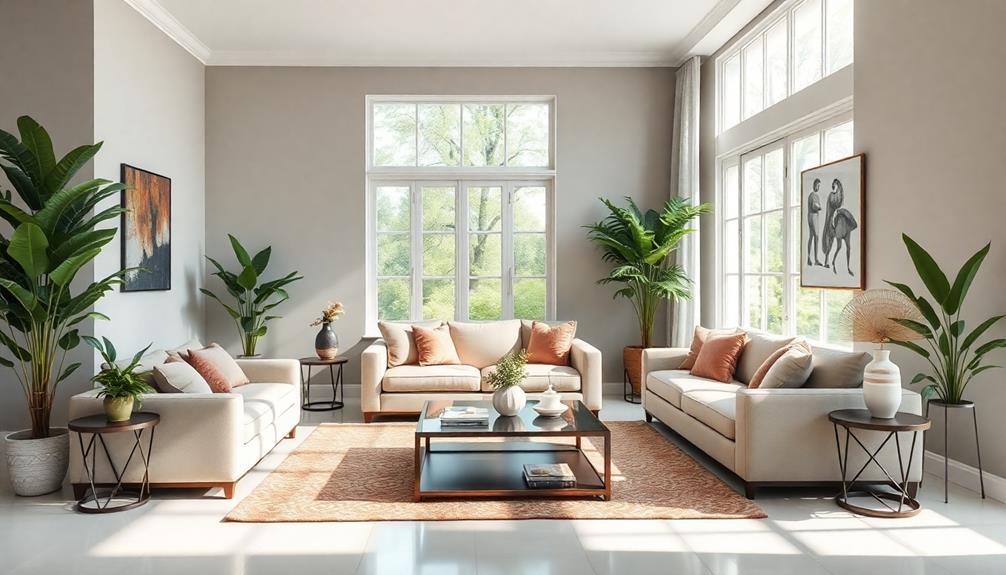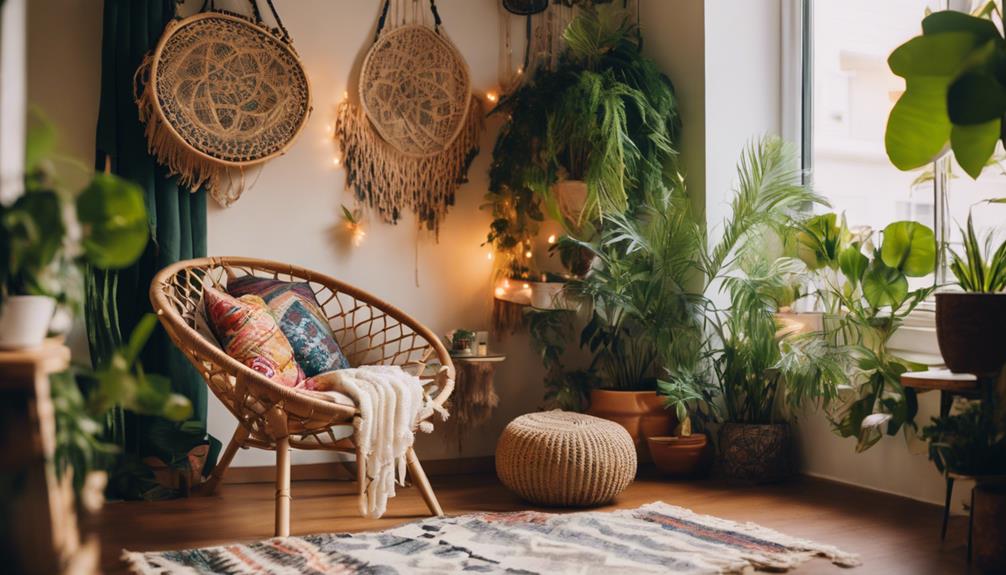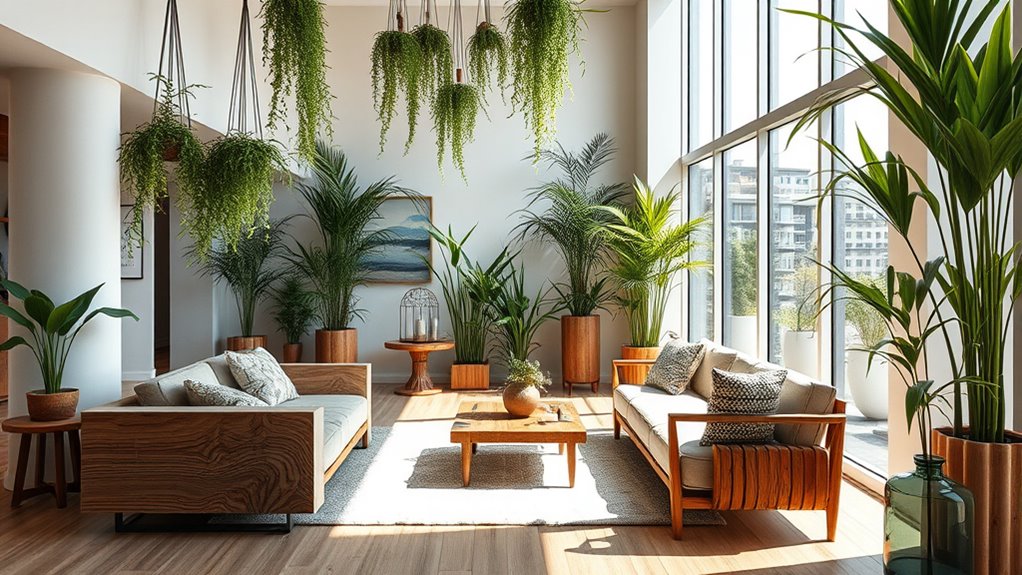

In 2025, sustainable chic thrives with eco-friendly materials like recycled metals, biodegradable textiles, reclaimed wood, and glass-infused concrete. You’ll see stylish interiors using recycled aluminum frames, bio-based fabrics that biodegrade quickly, and reclaimed timber adding character while reducing environmental impact. Innovative finishes like glass-ceramics and natural coatings further enhance looks sustainably. To discover how these cutting-edge materials can transform your space with style and responsibility, keep exploring these trends.

Get everyday essentials delivered free with Prime
- Fast, free delivery on millions of items
- Prime Video, Amazon Music and more included
- Member-only deals all year
Key Takeaways
- Recycled aluminum frames and glass-infused concrete offer sustainable durability and modern aesthetics.
- Bio-based materials like Mycoblocks and biodegradable fabrics prioritize eco-friendly construction and interior design.
- Upcycled and salvaged materials, including reclaimed timber and waste aggregates, add character while reducing environmental impact.
- FSC-certified and recycled wood products enhance responsible forestry and carbon storage in design projects.
- Innovative finishes using recycled glass, ceramics, and water-recycling processes create stylish, eco-conscious interiors in 2025.
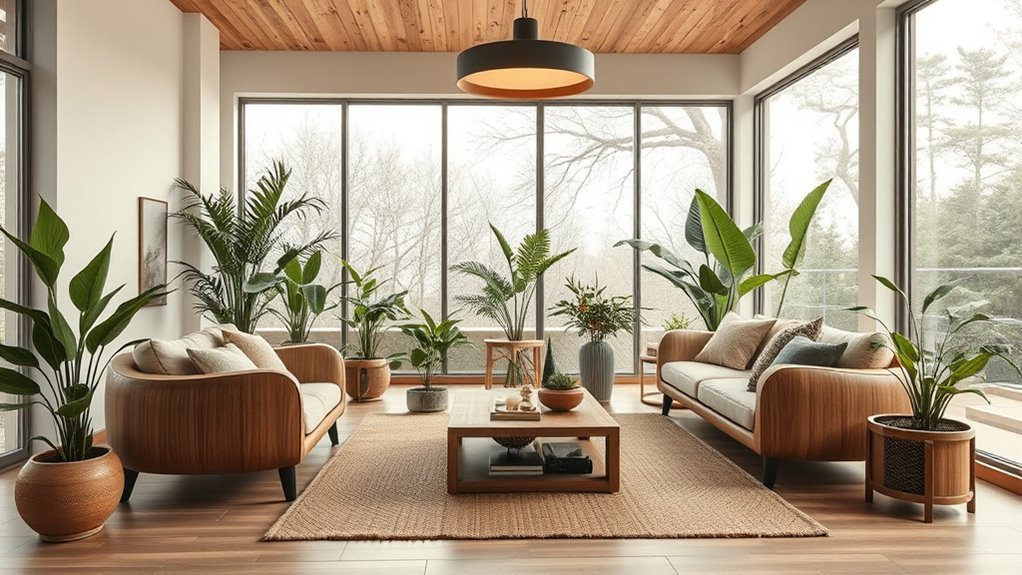
Are you looking to make your design projects more sustainable? In 2025, eco-friendly materials are transforming the way you approach design, blending style with environmental responsibility. Recycled aluminum frames, containing 30-51% recycled content, are now a popular choice because they’re fully recyclable after use, supporting circular economies. You can confidently incorporate these into your projects, knowing they help reduce waste and conserve resources. Similarly, bio Knit fabrics are gaining attention for their rapid biodegradability—breaking down 15 times faster than polyester—making them an excellent option for textiles aligned with eco-friendly goals. When you opt for post-consumer plastics transformed into recycled textiles, you’re not just creating functional and elegant interiors; you’re actively reducing plastic waste and lowering your environmental footprint.
Reclaimed wood continues to dominate design trends by decreasing demand for new lumber. Using reclaimed timber minimizes deforestation and reduces the environmental impact of your projects. Upcycled construction materials like salvaged bricks and waste aggregates further support resource conservation while adding character and authenticity to architecture. These materials not only lower embodied carbon but also infuse your designs with a sense of history and craftsmanship. In addition, innovations in bio-based and mycelium materials are opening exciting possibilities. Mycelium-based products, such as Mycoblocks, serve as biodegradable building blocks derived from agricultural biomass and fungi, offering sustainable alternatives to traditional materials. Companies like Biohm are blending traditional techniques with biotechnology to produce scalable bio-composites and insulation, allowing you to achieve modern design goals while minimizing environmental harm.
Research into structural mycelium materials shows promise for insulation, cladding, and sheathing, providing multi-functional solutions that are both eco-friendly and effective. These innovative materials are being developed to enhance building performance while reducing environmental impact. Bio-based composites, made by combining animal byproducts with biomass, are elevating sustainability and offering flexible design options. Biodegradable fabrics are replacing synthetics in tension fabric displays, enabling rapid natural breakdown and reducing long-term waste. FSC-certified wood remains a cornerstone for sustainable forestry, ensuring timber is responsibly sourced and supporting ecosystem health. Engineered wood with recycled content lessens pressure on virgin forests and boosts carbon storage, making it an eco-conscious choice for furniture and construction. Additionally, innovative coatings derived from natural ingredients are being developed to extend the lifespan of materials and reduce maintenance waste.
Recycled glass and ceramic innovations are also shaping sustainable interiors. Recovered glass is now used in tiles and décor, cutting landfill waste and energy consumption during manufacturing. Modern processes incorporate unbleached cardboard and water recycling, reflecting a commitment to eco-conscious production. Glass-infused concrete offers structural sustainability with lower carbon footprints than traditional mixes, while textured recycled glass surfaces combine aesthetics with environmental benefits. As you incorporate these materials into your projects, you’re embracing a future where design is not only beautiful but also responsible—championing sustainability without sacrificing style.
As an affiliate, we earn on qualifying purchases.
Frequently Asked Questions
How Do Eco-Friendly Materials Compare in Durability to Traditional Options?
You might wonder how eco-friendly materials stack up against traditional options in durability. Many eco-friendly choices, like Cross-Laminated Timber and rammed earth, match or surpass traditional materials in strength and longevity. Products like Euroshield roofing and LP SmartSide siding resist weather and impact better, reducing maintenance. While some eco options cost more upfront, their durability often leads to longer-lasting, sustainable structures that stand the test of time.
What Are the Cost Implications of Switching to Sustainable Design Materials?
Switching to sustainable design materials costs more upfront due to higher purchase prices, certifications, and specialized processing. However, you save over time with lower maintenance, longer lifespan, and better energy efficiency, reducing overall lifecycle expenses. Supply chain issues and certification costs can increase initial expenses, but these investments often pay off through durability, reduced repairs, and energy savings, making sustainability a smart financial choice in the long run.
Are Eco-Friendly Materials Readily Available for Large-Scale Projects?
You might wonder if eco-friendly materials are accessible for large projects. The good news is, mass timber, low-carbon cement, recycled plastics, and bio-based insulations are increasingly scalable and commercially available. However, sourcing can be region-dependent, and supply chains are still developing. By collaborating with suppliers and planning strategically, you can incorporate these sustainable materials into your large-scale projects effectively, helping you meet environmental goals without compromising on size or performance.
How Do These Materials Impact Indoor Air Quality and Health?
Imagine breathing fresh mountain air indoors—sustainable materials make this possible by drastically reducing harmful VOCs, formaldehyde, and phthalates. They resist mold, control moisture, and improve air quality, which lowers allergy and asthma triggers. Plus, materials like hempcrete sequester CO2, enhancing breathability. By choosing eco-friendly options, you create healthier spaces that support respiratory health, reduce indoor pollution, and adapt to emerging air quality threats seamlessly.
What Certifications Should Consumers Look for in Eco-Friendly Building Materials?
When choosing eco-friendly building materials, you should look for reputable certifications like FSC, LEED, BREEAM, or Cradle to Cradle. These labels show the products meet strict sustainability standards. Check the certification scope to make sure it covers raw materials or manufacturing impacts, and verify third-party verification for credibility. By selecting certified materials, you help guarantee your building’s environmental performance, health, and safety are prioritized.
Conclusion
As you wander through spaces crafted with eco-friendly materials, you feel the gentle warmth of recycled wood beneath your fingertips and breathe in the crisp scent of sustainable fabrics. These innovative designs transform everyday environments into lush, vibrant landscapes where beauty and responsibility intertwine. Embrace this movement, and let your choices paint a future where every detail reflects harmony with the earth. Together, you can create spaces that not only inspire but also nurture the planet for generations to come.
Columbus Day / Indigenous Peoples' Day Picks
long weekend sales
As an affiliate, we earn on qualifying purchases.