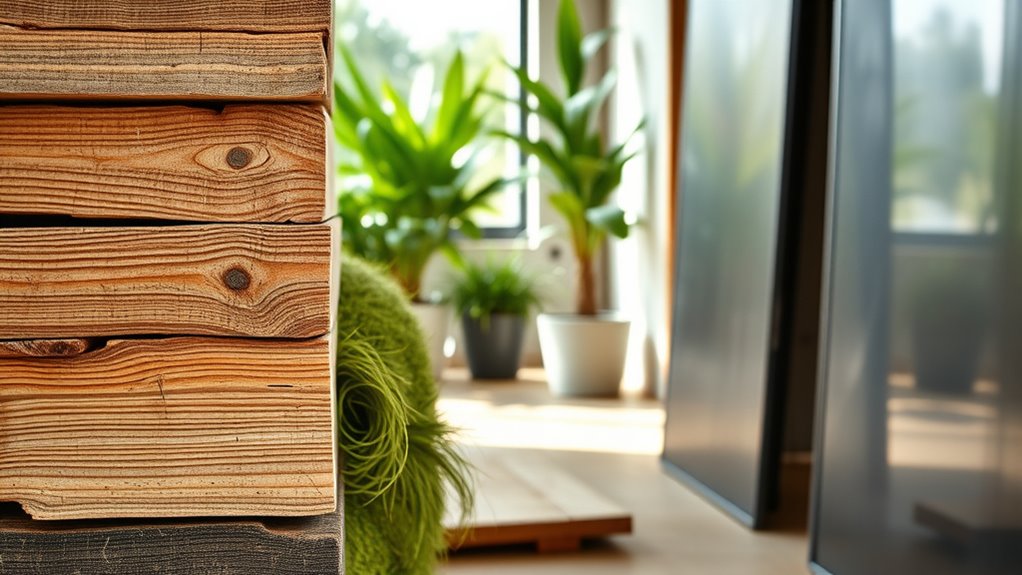

When renovating, choosing sustainable materials makes a big difference for your home and the environment. Options like recycled cellulose insulation and sheep’s wool improve energy efficiency and indoor air quality. Reclaimed wood adds character while reducing waste and conserving forests. These eco-friendly choices last longer, require less maintenance, and support healthier living spaces. By using such materials, you help protect the planet and create a stylish, sustainable home. Keep going to discover more eco-conscious solutions for your project.

Get everyday essentials delivered free with Prime
- Fast, free delivery on millions of items
- Prime Video, Amazon Music and more included
- Member-only deals all year
Key Takeaways
- Choose eco-friendly insulation options like cellulose, sheep’s wool, or cork to improve energy efficiency and reduce VOC emissions.
- Use reclaimed wood for flooring, wall paneling, or furniture to promote sustainability and add character.
- Prioritize materials from renewable sources or recycled content to minimize environmental impact.
- Select long-lasting, low-maintenance materials to enhance durability and reduce waste over time.
- Incorporate sustainable building practices that support healthier indoor air quality and conserve natural resources.
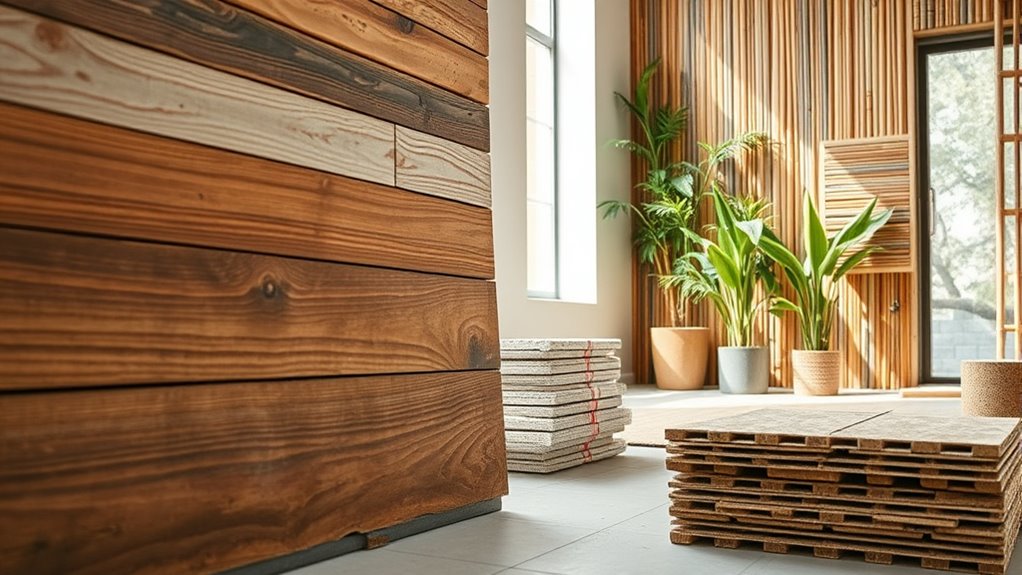
Are you looking to make your renovation more eco-friendly? If so, choosing sustainable materials is a smart move. One of the key elements to contemplate is eco friendly insulation. Traditional insulation materials, like fiberglass or foam, can release volatile organic compounds (VOCs) and are often derived from non-renewable resources. Eco friendly insulation options, such as cellulose made from recycled paper, sheep’s wool, or cork, offer a greener alternative. These materials not only reduce environmental impact but also improve your home’s energy efficiency. For instance, cellulose insulation is highly effective at preventing heat transfer, helping you save on heating and cooling costs. Sheep’s wool is naturally fire-resistant and breathable, making it a healthy choice for indoor air quality. Cork, harvested from bark without harming trees, provides excellent insulation and durability. Switching to these options means you’re lowering your carbon footprint while creating a healthier living space.
Another way to boost sustainability in your renovation is by incorporating reclaimed wood options. Reclaimed wood comes from old buildings, barns, or shipping pallets, and repurposing it prevents waste and reduces demand for newly harvested timber. Using reclaimed wood adds character and a sense of history to your home, giving your space a unique aesthetic. It’s versatile and can be used for flooring, wall paneling, furniture, or accents. Not only does reclaimed wood eliminate the need for new logging, but it also often has a higher quality due to its age and previous craftsmanship. Plus, sourcing reclaimed wood supports local preservation efforts and reduces the environmental impact associated with manufacturing new wood products. When selecting reclaimed wood, look for suppliers who verify the wood’s origin and treatment methods to ensure it’s safe and sustainable. Additionally, choosing materials like eco friendly insulation can further enhance your home’s sustainability.
Incorporating eco friendly insulation and reclaimed wood options into your renovation isn’t just about being environmentally conscious — it’s about making smarter choices that benefit your home and health. These materials tend to last longer and often require less maintenance, saving you money over time. They also help create a space that’s healthier to live in, free from harmful chemicals found in some conventional building materials. Making these switches might require a bit more effort upfront, but the long-term benefits are worth it. You’ll enjoy a home that’s not only stylish and functional but also aligned with your values of sustainability and conservation. Your renovation can become a meaningful step toward a greener future, one carefully chosen material at a time.
eco friendly insulation cellulose sheep's wool cork
As an affiliate, we earn on qualifying purchases.
As an affiliate, we earn on qualifying purchases.
Frequently Asked Questions
How Do Sustainable Materials Compare in Cost to Traditional Options?
Sustainable materials generally have a higher material cost comparison upfront, but they often save you money in the long run through durability and energy efficiency. You can make eco-friendly budgeting easier by considering lifecycle costs rather than just initial expenses. While eco-friendly options might seem pricier initially, their benefits, like lower maintenance and energy savings, make them a smart investment over time.
Are Sustainable Materials Suitable for All Climate Types?
Yes, sustainable materials are suitable for all climate types because of their climate adaptability and material versatility. You can find options designed to withstand extreme heat, cold, humidity, or rain, making them adaptable to your specific environment. Their versatility allows you to select materials that perform well in your climate, ensuring durability and efficiency. So, no matter where you are, sustainable materials can be tailored to meet your renovation needs effectively.
What Are the Long-Term Maintenance Requirements for Eco-Friendly Materials?
Think of eco-friendly materials as your loyal garden plants—they thrive with proper care. You’ll find they often boast impressive eco-friendly durability, but some may need more attention. Maintenance frequency varies; for instance, bamboo floors might need regular cleaning, while reclaimed wood requires occasional sealing. With a little effort, these materials stay beautiful longer, transforming your space into an eco-conscious haven that’s easy to care for and built to last.
How Do I Verify the Sustainability Claims of Material Manufacturers?
You can verify the sustainability claims of material manufacturers by checking for third-party certifications like LEED, FSC, or Green Seal, which ensure credible eco-friendly standards. Additionally, look for manufacturer transparency—ask for detailed information about sourcing, manufacturing processes, and environmental impact. Don’t hesitate to contact the company directly and review independent reports to confirm their claims, assure you’re choosing genuinely sustainable materials for your renovation.
Can Sustainable Materials Be Recycled or Repurposed After Renovation?
Your sustainable materials can absolutely be recycled or repurposed after renovation—think of their recycling potential as endless! You can implement reuse strategies like repurposing old wood for furniture or recycling concrete for new foundations. Many eco-friendly materials are designed with their end-of-life in mind, making sure they don’t become waste but instead serve future projects, reducing environmental impact and maximizing their value well beyond the initial renovation.
Conclusion
So, next time you consider renovating, why not impress your eco-conscious friends with your impeccable taste in sustainable materials? After all, who wouldn’t want their home to be both stylish and planet-friendly? Remember, choosing eco-friendly options isn’t just good for the Earth—it’s a subtle way to show off your sophisticated, forward-thinking flair. Because nothing says “I care” quite like a renovation that’s guilt-free and effortlessly chic. Cheers to making sustainable choices, one renovation at a time.
Halloween Picks
halloween
As an affiliate, we earn on qualifying purchases.