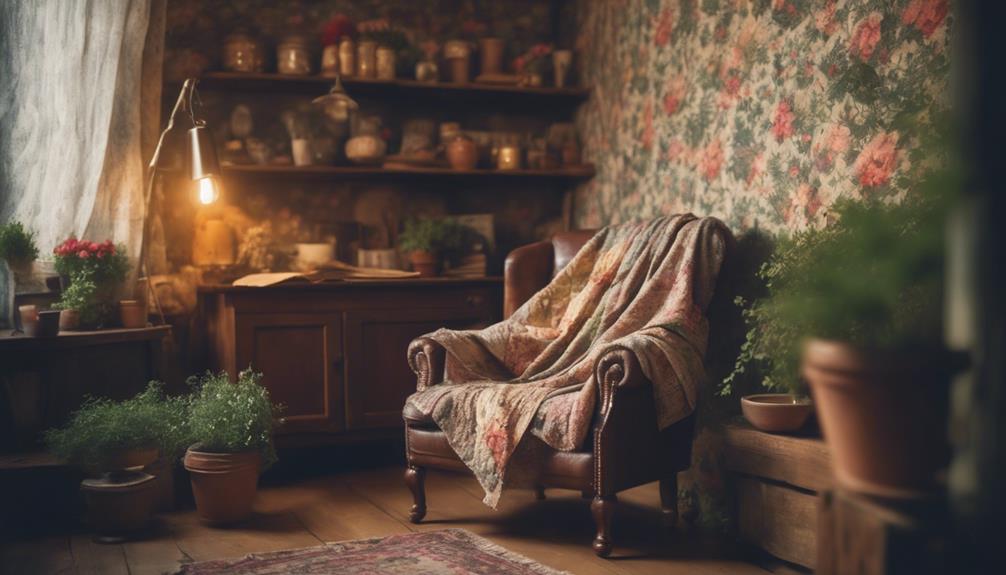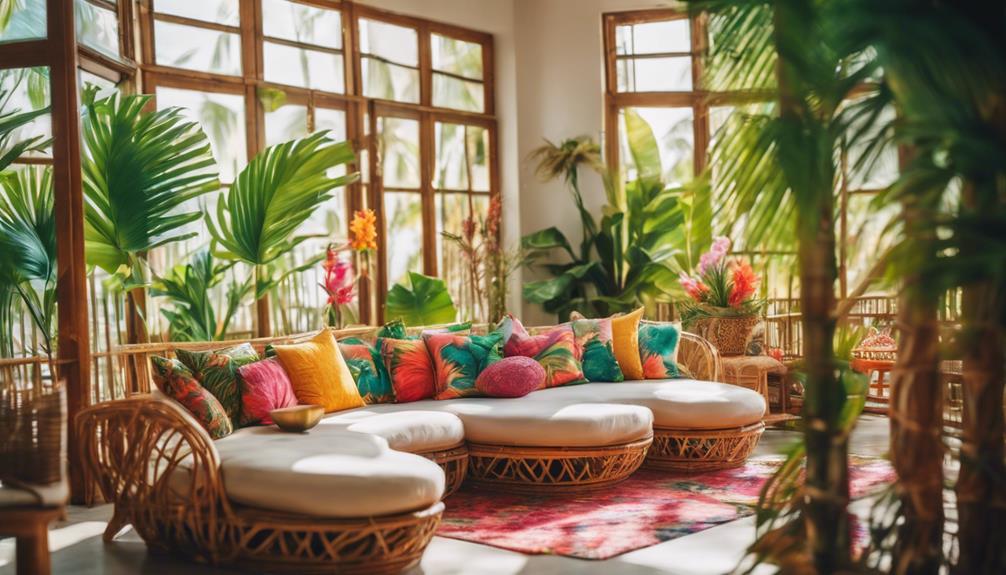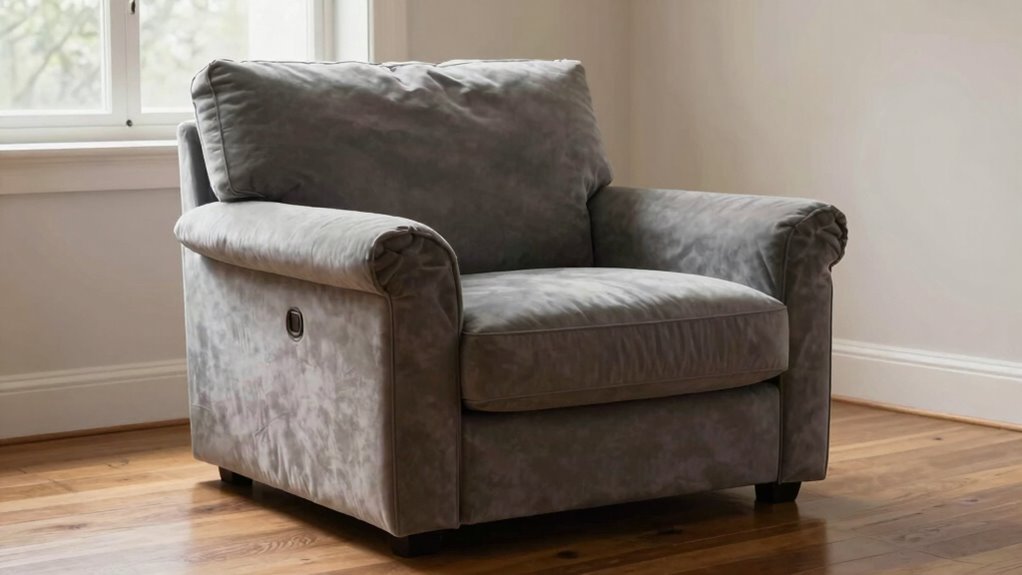

You might find some furniture feels bigger than its measurements because of how color, room layout, and visual cues affect perception. Dark colors and arrangements near walls can make furniture seem more substantial, while bright hues and open spaces can reduce its apparent size. Room features like high ceilings or large windows also influence how large furniture appears. If you want to understand how to manipulate these factors, there’s more to discover on optimizing your space’s visual balance.

Get everyday essentials delivered free — and shop member deals
- Fast, free delivery on millions of items
- Access to Prime Big Deal Days deals on October 6–7
- Prime Video, Amazon Music and more included
Key Takeaways
- Dark or bold colors can make furniture appear larger and more dominant than its actual size.
- Placement near walls or in crowded spaces enhances perceived size and solidity.
- Tall ceilings and large windows create visual cues that make furniture seem proportionate and less overwhelming.
- Small rooms with low ceilings can make furniture seem more oppressive and larger than measurements suggest.
- Well-organized layouts and balanced visual cues influence perception, making furniture feel more substantial.
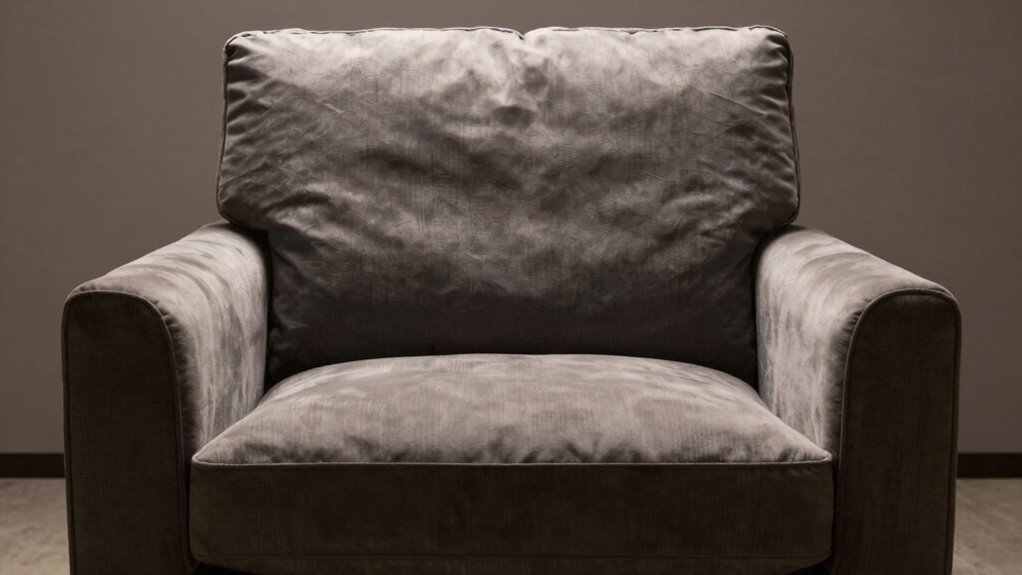
Have you ever wondered why a piece of furniture looks larger or smaller than it actually is? Sometimes, a sofa or table feels more imposing than its measurements suggest, and other times, it seems almost tiny despite its actual size. This perception isn’t just about the furniture itself; it’s influenced heavily by factors like color psychology and room layout. These elements work together to shape how you see and experience space, making furniture feel bigger or smaller than its dimensions might indicate.
Color psychology plays a significant role in how furniture size is perceived. Light, neutral colors tend to make pieces appear less bulky and more integrated into the room, giving a sense of openness and airiness. For example, a light gray or beige sofa can seem less dominating, even if it’s large in size. Conversely, darker colors like navy or charcoal can make furniture appear more substantial and solid, amplifying its perceived size. Bright or bold colors tend to draw attention, making a piece stand out more, which can make it feel larger than it is. This psychological effect is why a small accent chair in a vivid red can feel more prominent than a larger, similarly sized piece in a muted tone.
Room layout is another critical factor that influences furniture perception. The arrangement of furniture within a space shapes how you perceive its size. When furniture is placed close to walls or surrounded by other pieces, it might seem more substantial because it dominates the visual field. Conversely, if you leave plenty of open space around a piece, it can appear smaller and less imposing. The way you position furniture also affects the flow of the room; a well-organized layout creates a sense of balance and proportion, which influences how large or small the furniture feels. For instance, a bulky sectional might feel less overwhelming in a room with open pathways, while it could seem massive if crowded into a tight corner. Additionally, furniture scale plays a role in how well a piece fits within a given space, impacting overall perception. Recognizing how furniture size perception varies with arrangement and scale can help in creating more comfortable and visually appealing interiors.
In addition, the height and scale of other objects in the room can distort size perception. Tall ceilings, large windows, and expansive floors can make furniture seem more proportionate and less overwhelming. On the other hand, small rooms with low ceilings tend to make even modest-sized furniture feel larger and more oppressive. Moreover, the presence of visual cues such as artwork or decorative accessories can either exaggerate or diminish the perceived size of furniture. Understanding the importance of spatial perception can help you make more informed choices about furniture placement and color schemes. By carefully considering room layout and color choices, you can manipulate the perceived size of furniture, making your space feel more harmonious and balanced.
As an affiliate, we earn on qualifying purchases.
Frequently Asked Questions
How Does Room Lighting Affect Furniture Size Perception?
Room lighting affects your perception of furniture size by creating lighting contrast and shadow effects. Bright, well-lit spaces can make furniture seem smaller and more proportional, while dim lighting or strong contrast can make pieces appear larger or more imposing. Shadows cast by lighting highlight or obscure furniture details, influencing how big or small you perceive the items. Adjusting lighting helps you manipulate these visual cues to achieve your desired room feel.
Can Furniture Placement Influence Its Perceived Size?
Yes, furniture placement can influence its perceived size by creating scale illusions that affect your spatial awareness. For example, positioning large pieces near smaller items makes them seem smaller, while placing them against expansive walls or open spaces enhances their scale. You can manipulate these illusions to make a room feel more open or cozy, allowing furniture to appear larger or smaller depending on how you arrange it.
Do Personal Height and Perspective Impact Furniture Size Perception?
Yes, your height and perspective influence how you perceive furniture size. Proportionality illusions occur when furniture doesn’t match your body scale, making it seem bigger or smaller. Visual dominance plays a role, too, as your eyes focus on certain elements, skewing perception. If you’re taller, smaller furniture may seem less significant, while shorter individuals might find larger pieces overwhelming, highlighting how personal perspective shapes your furniture size perception.
How Does Furniture Color Affect Its Apparent Size?
Furniture color considerably impacts its apparent size through color contrast and visual saturation. Bright, dark, or highly saturated colors create a strong contrast, making pieces seem larger or more prominent. Conversely, soft, muted, or low-saturation hues blend into the background, making furniture appear smaller or less imposing. By choosing colors thoughtfully, you can influence how spacious or cozy a room feels, emphasizing or minimizing furniture size effectively.
Does the Surrounding Decor Influence Furniture Size Perception?
Yes, your surrounding decor influences how you perceive furniture size. If the decor scale is too small or too busy, furniture may seem larger or overwhelming. Conversely, well-balanced decor creates visual balance, making furniture feel proportionate. You should aim for a harmonious mix, where decor complements furniture without overpowering it. This balance helps your space feel cohesive, so your furniture appears just right, not too big or small.
Conclusion
Understanding why furniture feels bigger than its measurements is like realizing a painting’s true size depends on its surroundings. Your perception is shaped by design, placement, and personal experience, turning a simple piece into an expansive presence. When you choose furniture thoughtfully, you’re not just filling space—you’re orchestrating a symphony where each item plays an essential role. So, trust your instincts and see beyond numbers; your space becomes a universe, and every piece, a star shining brightly.
Halloween Picks
halloween
As an affiliate, we earn on qualifying purchases.