
Understanding fire ratings on home safes is simple: they tell you how many minutes the safe can withstand high temperatures during a fire. For example, a safe with a 30-minute rating can protect your valuables for about half an hour of intense heat. These ratings are based on standardized tests, so higher minutes mean better protection. If you want to learn how to choose the right fire-rated safe for your needs, keep going.

Get everyday essentials delivered free with Prime
- Fast, free delivery on millions of items
- Prime Video, Amazon Music and more included
- Member-only deals all year
Key Takeaways
- Fire ratings indicate how long a safe can withstand high temperatures during a fire, measured in minutes.
- Standardized tests simulate real fires to determine a safe’s fire resistance duration.
- Common ratings include 30 minutes, 1 hour, or 2 hours, showing how long valuables remain protected.
- Higher fire ratings provide longer protection, ideal for important documents and irreplaceable items.
- Fireproof materials and insulation inside safes help maintain low interior temperatures during fires.
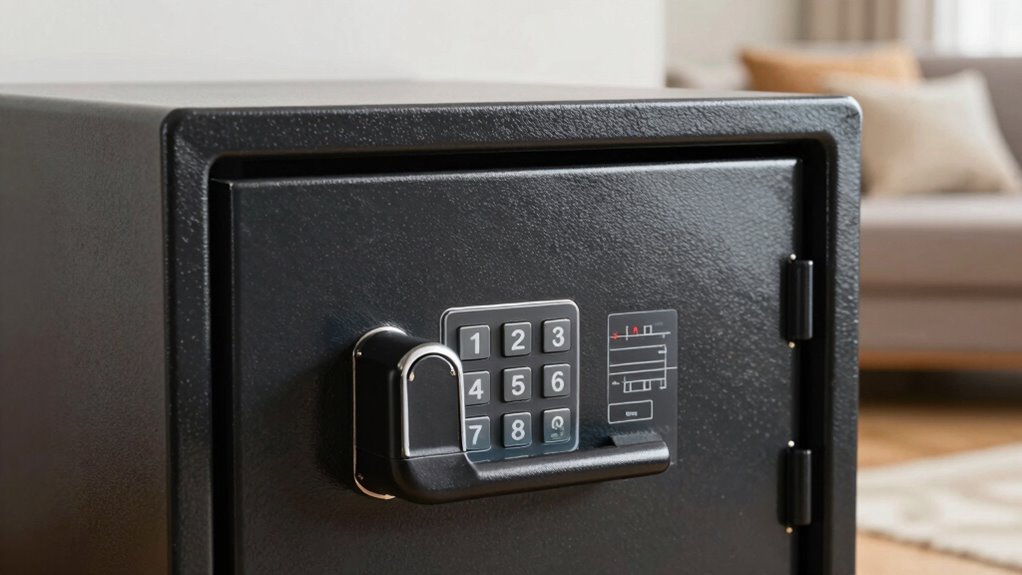
Have you ever considered how vulnerable your valuables are without a secure home safe? It’s easy to overlook the importance of proper protection until disaster strikes. When choosing a safe, understanding fire ratings and what they mean can make all the difference. Fireproof materials are essential in designing safes that can withstand intense heat, protecting your documents and valuables from destruction. These materials, like specialized insulation and fire-resistant composites, help prevent the interior temperature from rising too quickly during a fire. The goal is to give you enough time to retrieve your items before they become damaged beyond repair. fire ratings are determined through standardized testing procedures that simulate real fire scenarios to ensure reliability.
Many safes are rated for specific “minutes” of fire resistance, which indicates how long they can withstand a particular temperature. For example, a safe rated for 30 minutes can endure high temperatures for half an hour before the interior reaches a damaging level. These ratings are based on standardized testing procedures, simulating real fire scenarios. It’s vital to pick a safe with a rating that matches your needs—if you have irreplaceable documents or valuables, going for a longer duration, like 1 or 2 hours, offers greater peace of mind. Remember, these ratings aren’t just about fire; they also reflect the safe’s overall resistance to burglary attempts.
Burglary resistance is another essential aspect to consider. A well-designed home safe combines fireproof materials with features that increase burglary resistance. These safes are built with thick steel walls, pry-resistant doors, and sophisticated locking mechanisms to discourage intruders. The goal is to make it as difficult as possible for someone to break in, even if they’re determined. The combination of fire resistance and burglary resistance ensures your valuables are protected from both natural disasters and theft.
When you’re shopping for a safe, don’t just look at the fire rating or burglary resistance in isolation. Think about the environment in which it will sit. If you live in an area prone to fires, prioritize safes with higher fire ratings. If security against theft is your main concern, focus on safes with reinforced construction and advanced locking systems. Ultimately, choosing a home safe that balances both fireproof qualities and burglary resistance provides you with complete protection. It’s an investment in peace of mind—knowing that your most valuable possessions are secure from the unexpected, whether it’s a fire or a break-in.
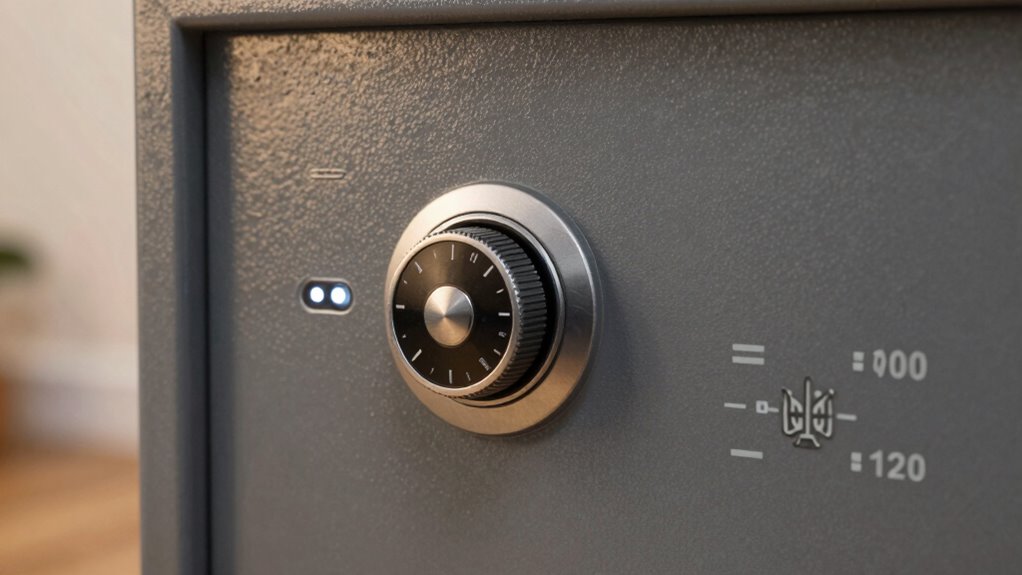
fireproof home safe with 1 hour rating
As an affiliate, we earn on qualifying purchases.
As an affiliate, we earn on qualifying purchases.
Frequently Asked Questions
How Do Fire Ratings Correlate With Actual Fire Safety?
Fire ratings directly impact your fire safety by indicating how long a safe can protect its contents during a fire. When a safe meets certain safety standards, it’s tested to withstand specific temperatures for designated minutes. The higher the fire rating, the better your chances of preserving important items. So, choosing a safe with appropriate fire ratings correlates with your safety goals and guarantees your valuables stay protected during emergencies.
Are Higher-Minute Safes Always More Secure?
Higher-minute safes can be more secure, but it depends on factors like fireproof coatings and thermal insulation. These features help protect your valuables by resisting heat and preventing damage longer during a fire. However, a safe with a high-minute rating isn’t foolproof if it lacks quality fireproof coatings or proper thermal insulation. So, while longer fire resistance often means better protection, always check the construction quality for true security.
Can a Safe’s Fire Rating Change Over Time?
Your safe’s fire rating can change over time if its fire-resistant materials degrade or if it’s damaged, affecting its compliance with fire rating standards. Regularly inspect your safe for wear and tear, as this impacts its durability and ability to maintain its fire protection. To guarantee ongoing safety, consider testing or replacing your safe periodically, especially if it’s exposed to environmental stressors that may weaken its fire-resistant features.
Do Different Materials Affect a Safe’s Fire Resistance?
Did you know that fire resistant materials can boost a safe’s protection by up to 50%? Different materials, like ceramic or mineral-based insulations, substantially affect a safe’s fire resistance. Safe insulation helps slow heat transfer, keeping your valuables cooler longer during a fire. Choosing the right fire resistant materials ensures your safe maintains its integrity, providing better protection and peace of mind when safety matters most.
How Do I Verify a Safe’s Fire Rating Authenticity?
To verify a safe’s fire rating authenticity, check for certification labels from recognized standards like UL or ETL. Confirm the safe clearly states whether it’s fireproof or fire resistant, and review its fire rating details. Authentic safes meet strict safe certification standards, confirming they can withstand specified temperatures for a certain period. Avoid unverified claims, and always buy from reputable brands to ensure your safe’s fire rating is genuine.
Conclusion
Remember, choosing the right home safe isn’t just about the label—it’s about peace of mind when you need it most. Think of fire ratings as gentle whispers of protection, quietly reassuring you that your valuables stay safe in tough times. While no safe is invincible, selecting one with appropriate ratings guarantees you’re gently covered in life’s little surprises. After all, a well-chosen safe offers a comforting hug when you need it most, keeping your treasures just a little safer.
Fall Picks
fall essentials
As an affiliate, we earn on qualifying purchases.