
To prevent big accidents at home, start by conducting a safety audit to spot hazards like loose rugs or exposed wiring. Improve lighting, keep pathways clear, and secure stairs and flooring to avoid falls. Check and upgrade fire safety equipment, such as smoke alarms and extinguishers. Fix small plumbing or electrical issues early, and establish a routine maintenance schedule. Keep your home safe by tackling these small fixes—discover more tips as you continue.
Key Takeaways
- Conduct regular safety audits to identify hazards like loose rugs or exposed wiring and address them promptly.
- Improve lighting and keep pathways clear to prevent slips, trips, and falls.
- Secure stairs, handrails, and flooring to reduce tripping and falling risks.
- Install and maintain smoke alarms, CO detectors, and fire extinguishers in accessible locations.
- Perform seasonal maintenance such as gutter cleaning, weatherproofing, and checking detectors to prevent accidents.
Conduct a Home Safety Audit to Spot Hazards

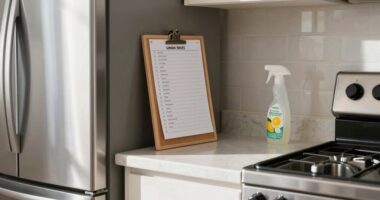
To keep your home safe, it’s essential to regularly conduct a home safety audit. Start by using a safety audit checklist to identify potential hazards. Walk through each room and look for obvious risks, like loose rugs, cluttered walkways, or exposed wiring. Pay close attention to areas where slips, trips, and falls could occur. During hazard identification, consider less obvious dangers, such as poor ventilation or unstable furniture. Keep a checklist handy and mark off hazards as you find them. Address each issue promptly to prevent accidents. Regular safety audits help you stay proactive about home safety, making your environment safer for everyone. Incorporating fire prevention measures and smart safety devices can also significantly reduce the risk of accidents and enhance overall security. Additionally, understanding home safety standards can guide you in implementing comprehensive safety improvements, especially regarding hazard mitigation.
Improve Lighting and Keep Pathways Clear
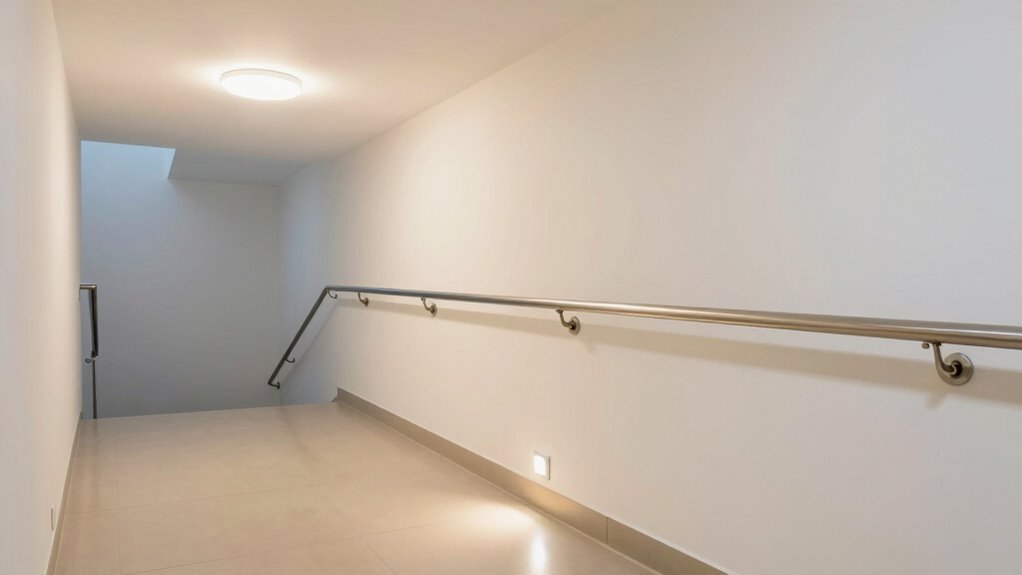
Improving lighting and keeping pathways clear are key steps in maintaining a safe home environment. Installing motion activated lighting ensures that dark areas are illuminated automatically when needed, reducing the risk of trips and falls. Make sure all walkways are clutter free; remove shoes, toys, and other obstacles that could cause someone to stumble. Adequate lighting along hallways, staircases, and entry points helps you see potential hazards before they cause an accident. Regularly check bulbs and replace them promptly to avoid dark spots. Keeping pathways clear and well-lit creates a safer space for everyone, especially during nighttime or in low visibility conditions. Small adjustments like these can prevent slips, trips, and falls, protecting your loved ones from preventable injuries. Home safety measures can further enhance your environment by addressing other potential hazards. Additionally, ensuring that your risk assessments are up-to-date helps identify areas that need improvement before accidents happen. Proper lighting solutions are essential for creating an effective safety environment throughout your home. Regular maintenance of your home safety equipment ensures that safety features continue to function correctly when needed. Being aware of and addressing common household hazards can significantly reduce the risk of accidents.
Secure Your Stairs and Flooring to Prevent Falls
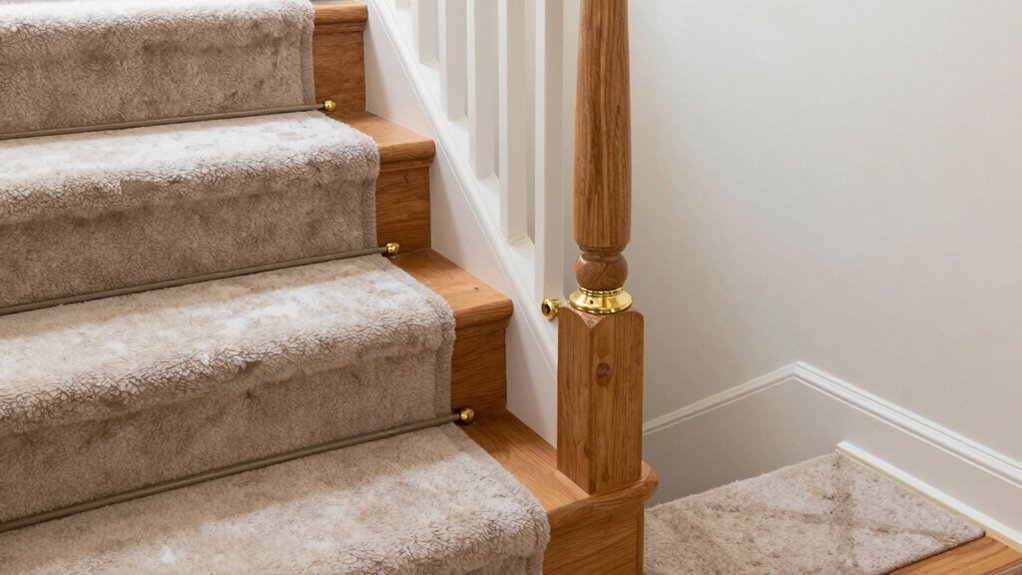
Secure your stairs and flooring to prevent falls by inspecting them regularly for damage or loose fixtures. Check handrail stability to ensure it’s firmly attached; wobbling handrails can cause loss of balance. Tighten any loose screws or brackets, and replace damaged sections of flooring promptly. Address uneven or cracked surfaces with flooring repairs to eliminate tripping hazards. Keep stairs clear of clutter and ensure treads are secure and even. Use non-slip strips or mats on slippery surfaces, especially in high-traffic areas. Regular maintenance keeps your flooring safe and prevents accidents. Remember, stable handrails and well-maintained floors are essential for a safe home environment. Taking these small steps greatly reduces the risk of falls, especially for children and seniors. Additionally, understanding home safety features can help you identify areas needing reinforcement or upgrades to further protect your household. Performing periodic safety inspections ensures any hazards are caught early before they lead to injury. Incorporating proper lighting can also enhance visibility and reduce the chance of missteps. Being aware of auditory processing challenges can help in creating a safer environment for individuals with sensory sensitivities. Regularly educating household members about fall prevention strategies can also further enhance overall safety.
Check and Upgrade Fire Safety Measures
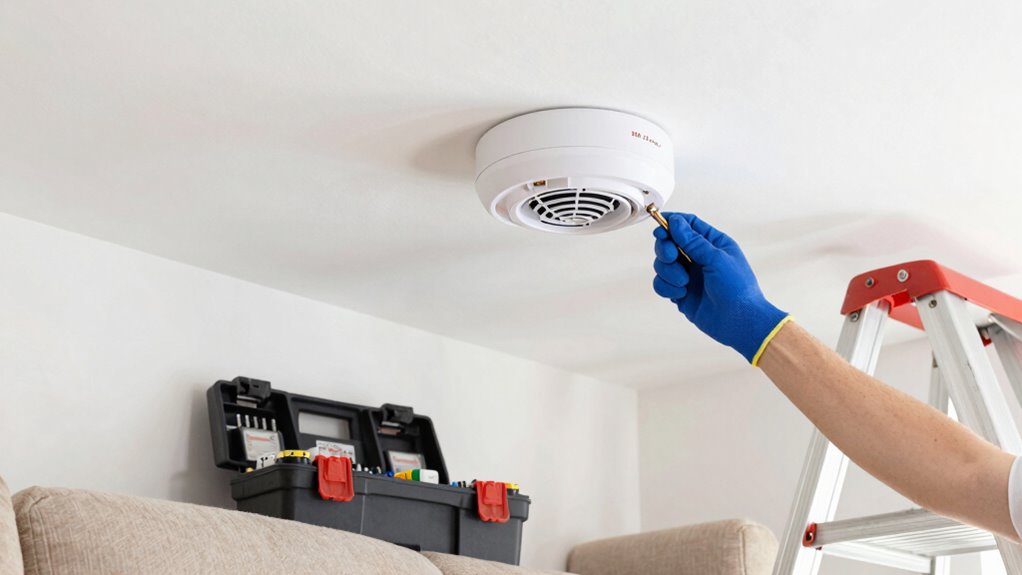
You should regularly test your smoke alarms to guarantee they’re working properly and replace batteries as needed. Make sure your fire extinguishers are placed in accessible spots near potential fire hazards. Upgrading your fire safety measures now can make a vital difference in protecting your home and loved ones. Considering fire safety equipment, such as fire-resistant door materials and smoke detectors, can further enhance your home’s safety. Additionally, ensuring your home safety layout minimizes clutter and escape obstacles can improve your overall preparedness in case of an emergency. Incorporating fire safety protocols, like regular drills and clear escape routes, helps reinforce safety habits for all household members. Proper fire suppression techniques and maintenance of safety devices are essential to ensure quick response times during an incident. Being aware of aviation safety regulations can also inspire similar thoroughness in household safety practices.
Smoke Alarm Maintenance
How often do you check your smoke alarms to guarantee they’re working properly? Regular maintenance is essential for safety. Start by testing the alarm monthly—press the test button and listen for a loud beep. If it doesn’t sound, replace the batteries immediately. Performing battery replacement at least once a year ensures the alarm stays functional. Additionally, replace the entire smoke alarm every 8-10 years, or sooner if it malfunctions. Don’t forget to vacuum or dust around the unit to prevent dust buildup from hindering performance. Upgrading to smoke alarms with interconnected systems can provide extra safety, as all alarms will sound if one detects smoke. Keeping your alarms in top condition helps prevent tragic accidents and provides peace of mind. Developing a systematic testing process ensures consistent safety checks and reliable operation of your fire safety measures. Regularly reviewing fire safety protocols can help identify potential vulnerabilities in your home. Incorporating proper alarm positioning can also improve detection efficiency and overall safety. Periodic inspections of your smoke alarm placement are vital to ensure they are accessible and effective in all key areas of your home. Additionally, choosing alarms with advanced sensor technology can improve detection of smoke and reduce false alarms.
Fire Extinguisher Placement
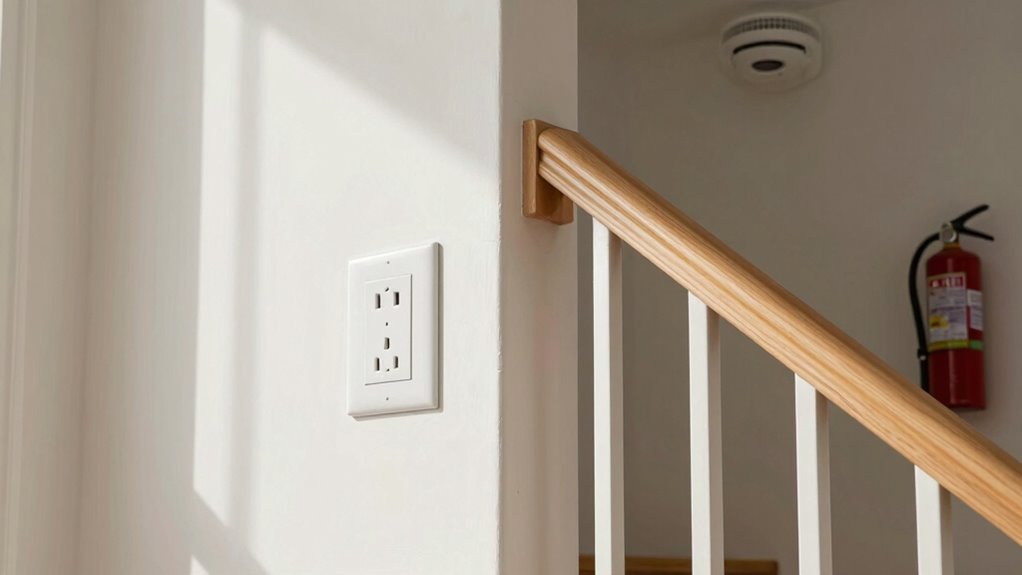
Proper placement of fire extinguishers is essential to ensuring quick access during an emergency. You should install fire extinguisher placement in high-risk areas like the kitchen, garage, and workshop, where fires are most likely to start. Make sure they are mounted on walls at an accessible height, not on the floor or behind obstacles. Keep them near exits to facilitate quick evacuation and firefighting. Regularly check the pressure gauge and ensure the extinguisher is in good working condition. Good fire safety measures also involve training everyone in your household on how to use the extinguisher correctly. Proper fire extinguisher placement enhances your emergency preparedness, giving you confidence to act swiftly and effectively if a fire occurs. Conducting regular safety checks can help identify potential hazards before they lead to emergencies. Small adjustments now can prevent big disasters later.
Fix Small Plumbing and Electrical Problems Before They Worsen
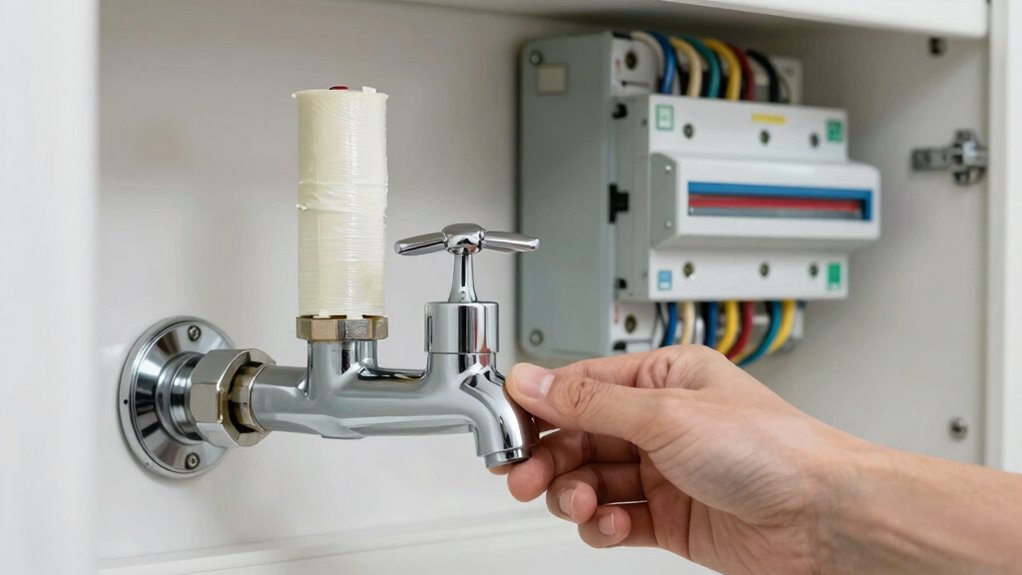
Addressing small plumbing and electrical issues promptly can prevent minor problems from turning into costly repairs or safety hazards. Regular leak detection helps catch drips or small leaks early, avoiding water damage and mold growth. Fixing leaking faucets or pipes quickly also conserves water and reduces your utility bills. On the electrical side, inspecting circuit safety means checking outlets, switches, and cords for signs of wear or damage. Addressing loose connections or exposed wiring prevents potential electrical fires or shocks. Don’t ignore flickering lights or frequent circuit trips—they’re often signs of underlying issues. Taking these small steps saves money and keeps your home safe. Staying vigilant about plumbing and electrical health ensures problems don’t escalate, safeguarding your family and property from avoidable accidents.
Create an Ongoing Home Safety Maintenance Checklist
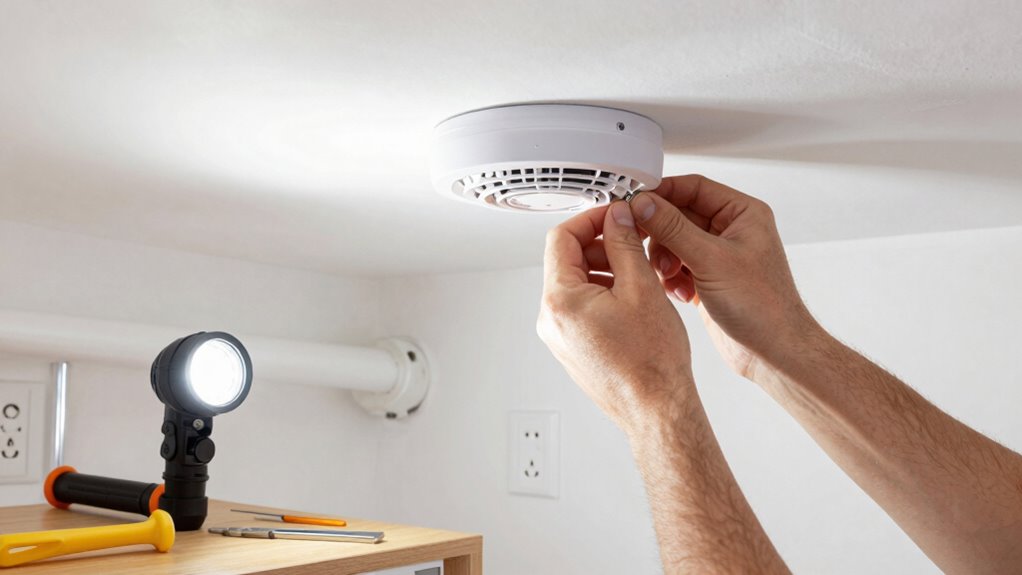
To maintain your home safe, you need a regular inspection schedule and seasonal maintenance tasks. Setting reminders guarantees you don’t overlook any safety issues as the year progresses. Staying proactive helps prevent small problems from turning into bigger hazards.
Regular Inspection Schedule
Establishing a regular inspection schedule is essential for maintaining a safe and well-functioning home. Consistent safety scheduling helps you catch hazards early and prevents small issues from turning into major problems. Create a routine for your home inspection, such as weekly or monthly checks of smoke alarms, carbon monoxide detectors, and fire extinguishers. Check for loose handrails, worn-out cords, or leaks under sinks. Keep a log to track maintenance tasks and repairs. This proactive approach guarantees you’re aware of potential dangers and can address them promptly. By sticking to a regular inspection schedule, you reduce the risk of accidents and keep your home safe for everyone. Remember, ongoing vigilance is key to preventing big issues before they happen.
Seasonal Maintenance Tasks
Seasonal maintenance tasks are essential for keeping your home safe and in top condition throughout the year. During each season, focus on weatherproofing your home to prevent damage from the elements, such as sealing gaps and inspecting gutters. Check your home security system to guarantee it’s working properly, replacing batteries and updating codes if needed. Trim trees and shrubs to avoid falling branches that could damage your property or obstruct security cameras. Test smoke and carbon monoxide detectors regularly, and replace batteries as necessary. Clear pathways and outdoor lighting to improve visibility and safety at night. Staying proactive with these seasonal tasks helps prevent accidents, protects your belongings, and maintains the integrity of your home, keeping you safer year-round.
Frequently Asked Questions
How Often Should I Perform a Home Safety Audit?
You should perform a home safety audit at least twice a year. During these checks, verify fire alarm maintenance is up to date and test emergency escape routes to confirm they’re clear and accessible. Regular audits help you identify potential hazards early, keeping your home safe. Don’t forget to review smoke detectors, check for fire hazards, and ensure escape routes are well-lit and unobstructed for quick evacuation.
What Are the Most Common Hazards Overlooked During Safety Checks?
You often overlook fire hazards and electrical risks during safety checks. Clutter near heaters or blocked vents can cause fires, so keep these clear. Check cords and outlets for damage, and avoid overloading sockets to prevent electrical risks. Don’t forget to inspect smoke alarms and ensure fire extinguishers are accessible. Regularly reviewing these hazards helps you catch potential dangers early, keeping your home safer for everyone.
How Can I Prioritize Safety Fixes With a Limited Budget?
You should start with a safety checklist to identify the most critical hazards and focus your budget planning on those areas first. Prioritize fixes that prevent major accidents, like securing loose rugs or installing grab bars, over less urgent repairs. By addressing high-risk issues first, you maximize safety within your budget. Regularly reassess your home, update your safety checklist, and allocate funds to the most pressing fixes.
Are There Any Safety Measures Specific to Children or Elderly Residents?
Think of your home as a safe harbor for your loved ones. You can anchor that safety with simple childproofing measures like outlet covers and cabinet locks, which act as sturdy shields. For elderly residents, focus on fall prevention by installing grab bars and non-slip rugs. These small, targeted steps create a fortress of safety, ensuring everyone feels secure and cared for in your home’s welcoming embrace.
What Tools or Equipment Are Recommended for DIY Safety Improvements?
You should gather essential hand tools like screwdrivers, pliers, and a hammer for DIY safety improvements. Always wear safety gear such as gloves, safety glasses, and a dust mask to protect yourself from injuries. Having a sturdy ladder and a flashlight nearby can also assist. Using the right tools and safety gear guarantees you work efficiently and safely while making small fixes that prevent big accidents around your home.
Conclusion
By taking small, proactive steps like fixing a loose handrail or checking smoke alarms, you’re building a safety net that catches accidents before they happen. Think of your home as a ship—each quick fix is like tightening a knot. When you stay vigilant and regularly maintain your space, you create a secure environment where surprises are fewer, and peace of mind is greater. Remember, safety is the anchor that keeps your home steady.