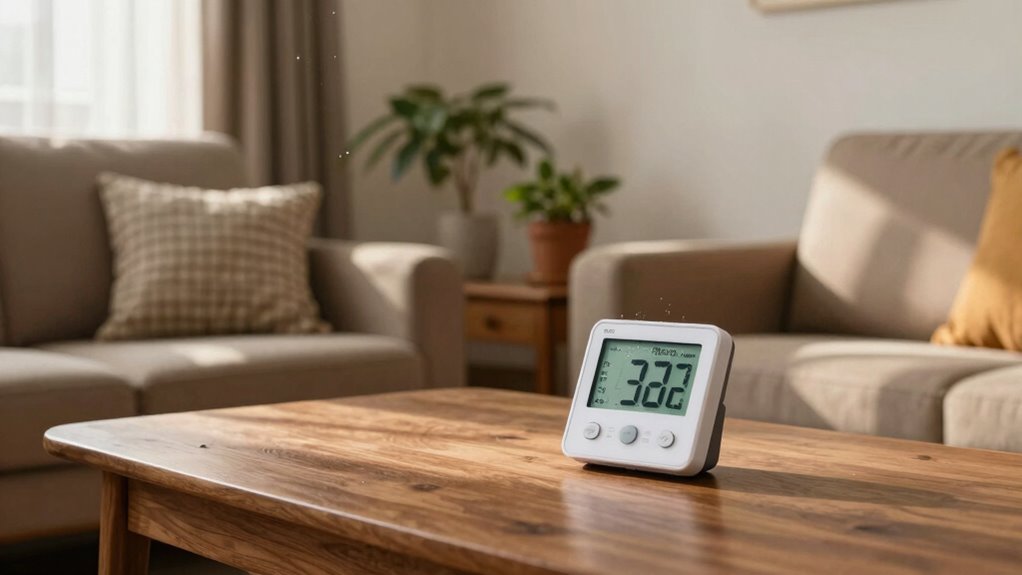

Maintaining indoor humidity between 40% and 60% creates a comfortable environment that also safeguards your furniture. When humidity stays within this range, it prevents wood from warping or cracking and avoids mold growth caused by excess moisture. Too dry air can damage furniture and cause skin or respiratory irritation. Keeping your home within these levels balances comfort with protection, and after this overview, you’ll discover simple ways to maintain these ideal humidity levels effortlessly.

Get everyday essentials delivered free — and shop member deals
- Fast, free delivery on millions of items
- Access to Prime Big Deal Days deals on October 6–7
- Prime Video, Amazon Music and more included
Key Takeaways
- Maintain indoor humidity between 40% and 60% to prevent mold growth and protect furniture from warping or cracking.
- Use a hygrometer to monitor humidity levels regularly for optimal home environment management.
- Excess humidity can cause mold and damage furniture, while low humidity may lead to dry wood and cracking.
- Employ dehumidifiers or ventilation to reduce moisture during humid seasons or in damp areas.
- During dry periods, use humidifiers to add moisture, safeguarding furniture and maintaining comfort.
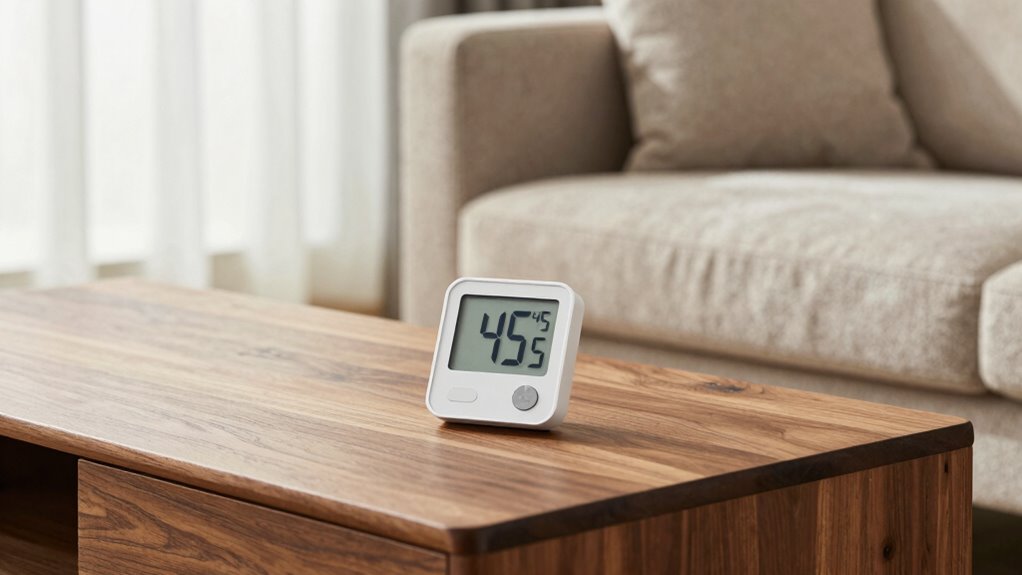
Maintaining proper humidity levels at home is essential for your comfort and health. When the air is too dry or too humid, it can cause a variety of issues that affect your well-being and the condition of your belongings. One of the key aspects of maintaining ideal humidity is managing air quality, which directly impacts your respiratory health and overall indoor environment. Proper humidity levels help minimize airborne pollutants and allergens, making the air safer to breathe. Equally important is mold prevention; high humidity creates the perfect environment for mold spores to settle and grow, leading to potential health problems and damage to your home. Keeping humidity within the ideal range helps you enjoy cleaner air and reduces the risk of mold-related issues.
To achieve this, you should aim for a humidity level between 40% and 60%. This range strikes a balance that keeps your indoor air fresh and prevents mold growth. When humidity is in this range, it’s less likely that mold spores will find a hospitable environment to thrive, which is vital for maintaining good air quality. Mold not only damages walls, furniture, and fabrics but also releases spores into the air that can aggravate allergies, asthma, and other respiratory conditions. By controlling humidity, you directly influence how much mold can develop, making your home healthier and more comfortable. Using a hygrometer is an effective way to monitor humidity levels accurately, ensuring you stay within the optimal humidity range.
Once you know your current range, you can take steps to adjust it. If the air feels damp or you notice condensation on windows, it’s a sign that humidity is too high. In such cases, running a dehumidifier or improving ventilation can help reduce moisture in the air. Conversely, if the air feels dry, especially during winter months, a humidifier can add moisture back into the environment, preventing issues like dry skin, irritated sinuses, and static electricity. Consistently maintaining the correct humidity level not only enhances comfort but also protects your furniture, wood flooring, and other household items from warping, cracking, or deterioration caused by excess moisture or dryness.
As an affiliate, we earn on qualifying purchases.
Frequently Asked Questions
How Does Humidity Affect Allergy Symptoms Indoors?
High humidity levels can worsen allergy symptoms by increasing airborne allergens like mold and dust mites, which thrive in damp environments. When humidity triggers these allergens, you may notice more sneezing, congestion, or itchy eyes. Maintaining proper humidity helps keep airborne allergens in check, reducing your allergy symptoms. Use a dehumidifier or ventilate well to stay within the ideal humidity range, so you breathe easier and feel more comfortable indoors.
What Are the Signs of Too Low or Too High Humidity?
You’ll notice humidity discomfort when your skin feels dry, your throat is scratchy, or you get frequent static shocks. Too high humidity causes mold growth, musty odors, and condensation, while too low leads to dry skin, cracked wood, and increased allergy symptoms. Sudden humidity fluctuations can make these issues worse. Pay attention to these signs to maintain balanced humidity levels, ensuring comfort and protecting your home from damage.
Can Humidity Levels Impact Indoor Mold Growth?
Yes, humidity levels can impact indoor mold growth. When humidity is too high, excess moisture promotes mold development, making mold prevention difficult. Maintaining proper moisture control, ideally between 30-50%, helps reduce mold risk. You should monitor humidity levels regularly to prevent mold growth, especially in damp areas like basements and bathrooms. Proper ventilation and dehumidifiers can help you keep humidity in check and protect your home from mold damage.
How Does Humidity Influence Indoor Air Quality?
You might think humidity only affects comfort, but it also shapes indoor air quality. Proper humidifier maintenance ensures ideal humidity, preventing mold and dust mites. Conversely, using a dehumidifier benefits your health by reducing excess moisture that can trigger allergies or respiratory issues. Maintaining balanced humidity levels keeps your air clean and healthy, so don’t overlook these devices—they’re key to a safer, more comfortable home environment.
What Tools Are Best for Measuring Indoor Humidity Accurately?
You should use a digital or analog hygrometer to measure indoor humidity accurately. Digital hygrometers often provide precise readings and are easy to read. For best results, regularly calibrate your hygrometer using calibration techniques like salt tests or desiccants to guarantee accuracy. Choose a device suited for your space, and check it periodically to maintain ideal humidity levels that protect your furniture and improve air quality.
Conclusion
Maintaining the right humidity levels at home gently preserves your furniture and creates a cozy, inviting atmosphere. When you keep the air just right, you’re nurturing a space that feels comfortable and welcoming without any fuss. Think of it as giving your home a subtle, caring touch—it’s a simple way to protect your belongings and enjoy a peaceful environment. A little balance goes a long way in making your house truly feel like home.
Halloween Picks
halloween
As an affiliate, we earn on qualifying purchases.