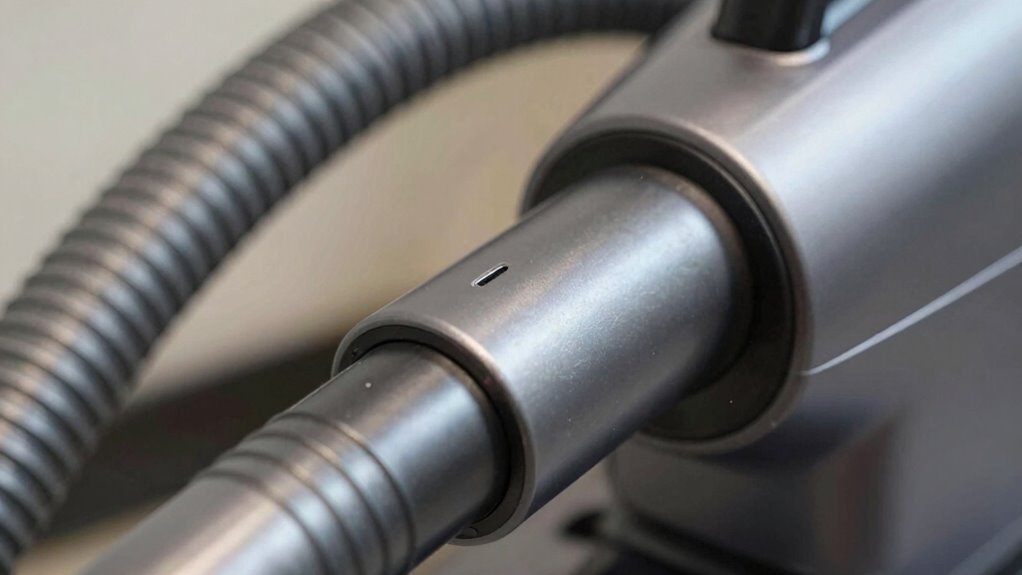

When choosing a shop vac, consider how hose diameter and CFM (cubic feet per minute) affect suction power. A wider hose (around 2.5 inches) handles larger debris and boosts airflow, while a narrower one is good for detailed cleanup. Higher CFM means stronger suction for heavy-duty tasks. Combining the right hose size with a good CFM guarantees efficient debris pickup and airflow. Keep exploring to understand how these factors work together for best results.
Key Takeaways
- Hose diameter affects debris pickup, airflow, and cleaning speed; larger hoses handle bigger debris better.
- CFM measures how much air the vacuum moves; higher CFM equals stronger suction and better heavy-duty performance.
- Proper hose fit ensures no leaks, maintaining optimal airflow and suction power during cleaning tasks.
- Combining the right hose diameter with high CFM improves efficiency for various messes and surfaces.
- Compatibility between hose size and vacuum specifications is essential for maximum cleaning effectiveness.

Have you ever needed a powerful tool to clean up messes in your workshop or garage? If so, a shop vac is likely your best bet. But to get the most out of it, understanding hose diameter and CFM is key. When selecting a shop vac, hose compatibility becomes essential. The hose diameter determines what kind of debris you can pick up efficiently and how well the vacuum performs overall. A wider hose, such as one with a 2.5-inch diameter, allows larger debris and offers better airflow, which helps you cover more surface area quickly. Conversely, a narrower hose, like a 1.25-inch diameter, is better suited for detailed cleaning tasks or tight spaces but might restrict airflow, reducing overall efficiency. Ensuring your hose fits well with your vacuum’s specifications is vital to prevent leaks and maintain consistent suction power. A loose or incompatible hose can cause loss of airflow efficiency, making your cleaning sessions longer and less effective.
Airflow efficiency is the heart of any shop vac’s performance. It’s measured in CFM, or cubic feet per minute, and indicates how much air the vacuum can move. Higher CFM values generally mean better suction, especially when handling larger debris or volume-heavy tasks. When you’re choosing a shop vac, look for one with an airflow rating that matches or exceeds your cleaning needs. If you’re working with heavy-duty messes, like sawdust, wet debris, or large scraps, a higher CFM model will help you get the job done faster. Keep in mind, though, that airflow efficiency isn’t just about CFM alone; it also depends on hose diameter and design. A larger hose with a high CFM can move a lot of air easily, reducing clogs and blockages. On the other hand, a smaller hose might restrict airflow, even if the vacuum’s CFM rating is high, because of increased resistance.
Frequently Asked Questions
How Do Hose Diameter and CFM Affect Cleaning Efficiency?
Hose diameter and CFM directly influence your cleaning efficiency by affecting airflow and suction power. A larger diameter enhances hose flexibility, making it easier to maneuver and reach tight spots, while maintaining strong suction. Higher CFM boosts cleaning speed, but it can also increase noise levels. Balancing these factors guarantees you get effective cleaning without sacrificing comfort or convenience, making your vacuuming more efficient and less noisy.
Can I Upgrade My Shop Vac’s Hose for Better Performance?
Upgrading your shop vac’s hose is like giving your vacuum a turbo boost—you’ll notice better performance. Choose a hose made from durable, flexible material for longevity and ease of use. Make sure it fits your model’s connections. Also, consider storage options to keep your new hose organized and ready to go. An upgrade can improve airflow and cleaning efficiency, making your job faster and less frustrating.
What Is the Ideal Hose Diameter for Different Tasks?
The ideal hose diameter depends on your task. For general cleaning, a 1.25 to 1.5-inch hose offers good flexibility and ease of storage. If you’re tackling heavy-duty debris, go for a 2-inch hose, which handles larger debris better but may be less flexible. Consider storage options and how easily you can maneuver the hose around your workspace. Always balance hose flexibility with your specific cleaning needs.
How Does CFM Impact the Vacuum’s Ability to Pick up Debris?
Ever wondered why some vacuums pick up debris better? CFM, or cubic feet per minute, directly impacts your vacuum’s dust collection ability by controlling airflow dynamics. The higher the CFM, the more air moves through the hose, creating stronger suction to lift stubborn debris. So, boosting CFM improves your vacuum’s efficiency, making cleanup faster and easier. Don’t you want a vacuum that handles dust and debris effortlessly?
Are Larger Hose Diameters Compatible With All Shop Vac Models?
Larger hose diameters aren’t compatible with all shop vac models, as hose compatibility varies by model variations. You need to check your vacuum’s specifications or user manual to guarantee the hose fits properly. Some models have specific connectors, so using the wrong size can cause leaks or poor suction. Always verify compatibility before purchasing a new hose to ensure peak performance and avoid damage to your shop vac.
Conclusion
Knowing the right hose diameter and CFM can make your shop vac more effective. For example, a larger hose with higher CFM can move more debris quickly, saving you time and effort. Did you know that a typical shop vac’s CFM can range from 60 to over 100? Choosing the right combination guarantees you get powerful suction and efficient cleaning. Now, you’re better equipped to select the perfect shop vac for your needs!