A mix-and-match lunch system helps you save money by maximizing ingredient versatility, reducing waste, and cutting down on impulse buys. By choosing versatile ingredients like grains, proteins, and vegetables, you can create a variety of healthy, satisfying meals easily. Proper portioning and prep make packing faster, while colorful combinations keep meals interesting. Want to discover creative ideas and smart tips to make this system work seamlessly? Keep exploring for more practical strategies.
Key Takeaways
- Use versatile, seasonal ingredients to create multiple meal options from limited items, maximizing value and reducing costs.
- Plan balanced, customizable lunch plates with proteins, grains, and vegetables for nutritious variety and portion control.
- Batch-cook staples and organize ingredients efficiently to save time and streamline weekly meal prep.
- Incorporate creative grain pairings and colorful vegetable mixes to enhance flavor, presentation, and dietary diversity.
- Employ eco-friendly tools like vacuum containers and bulk shopping strategies to minimize waste and overall expenses.
How a Mix-and-Match Lunch System Saves Money and Reduces Waste
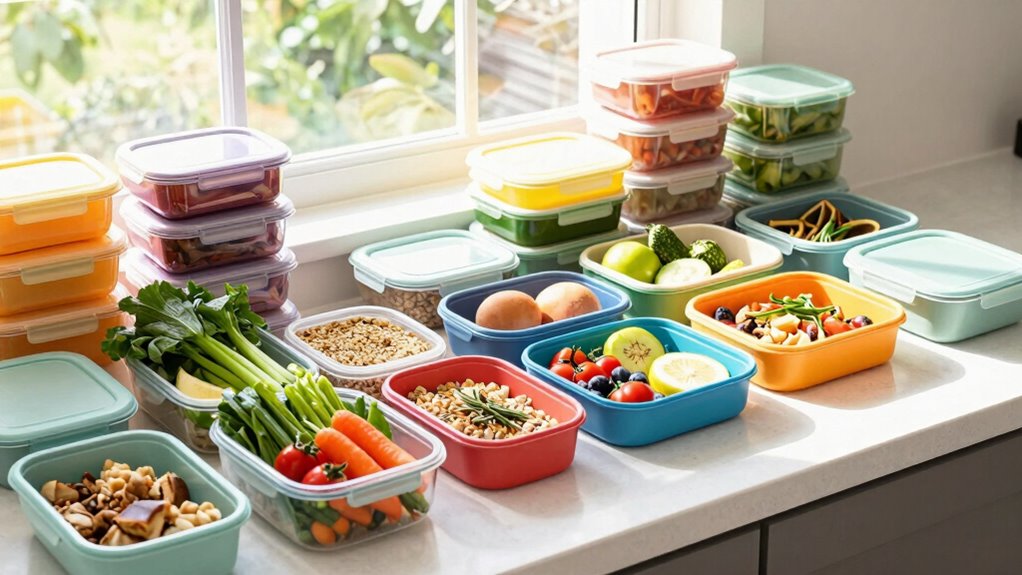
Have you ever wondered how a mix-and-match lunch system can save you money and cut down on waste? It all comes down to meal prep efficiency and ingredient versatility. By preparing a variety of adaptable ingredients, you can create multiple lunch options from a limited set of items. This approach reduces impulse buys and minimizes leftovers, cutting down on waste. When you choose ingredients that can be combined in different ways, you get more value for each dollar spent. Plus, bulk prepping these versatile ingredients saves time during busy mornings and prevents last-minute takeout orders. Overall, this system makes your lunch packing smarter, more cost-effective, and environmentally friendly, helping you stretch your budget and reduce unnecessary waste effortlessly.
How to Choose Versatile Ingredients for Your Lunch
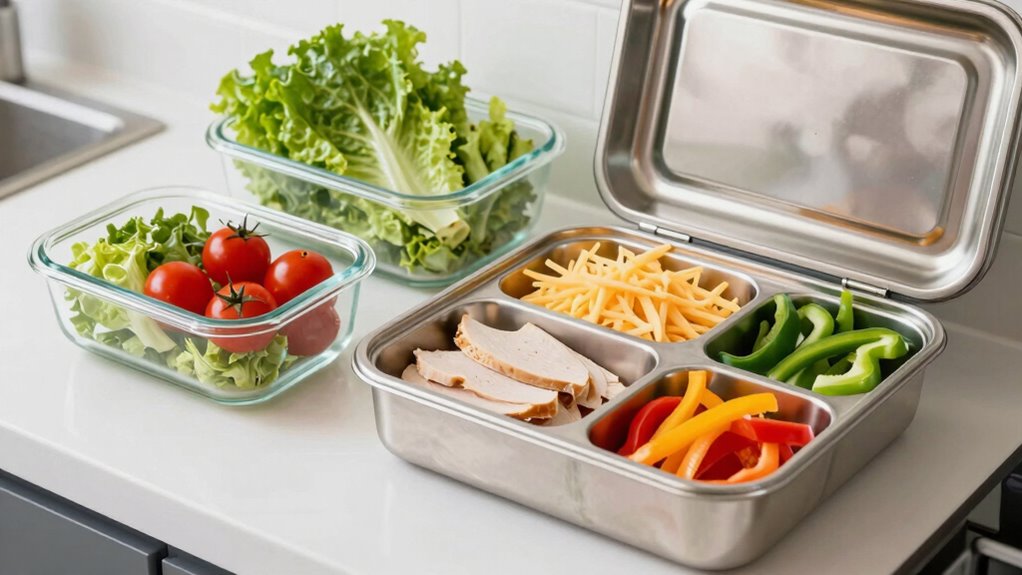
Choosing versatile ingredients is essential for creating a flexible and efficient lunch packing system. Focus on seasonal ingredients, as they’re invigorating, affordable, and adaptable across dishes. Incorporate international flavors to keep meals exciting and varied. For example, ingredients like cherry tomatoes, cucumbers, grilled chicken, and rice can easily switch between salads, wraps, or rice bowls. Use the table below to visualize how common ingredients can serve multiple purposes:
| Ingredient | Versatile Uses |
|---|---|
| Cherry tomatoes | Salad topping, pasta, snack |
| Cucumbers | Wrap filling, invigorating side |
| Grilled chicken | Salad protein, wrap filling |
| Rice | Base for bowls, side dish |
Additionally, selecting the right electric bike conversion kit can enhance your commute, making it more efficient and enjoyable. When managing investments like Bitcoin IRAs, it’s crucial to evaluate the risks and rewards carefully to ensure your retirement savings are protected. Incorporating seasonal ingredients into your meal planning can reduce costs and improve freshness throughout the year. Moreover, supporting sustainable travel options aligns with eco-friendly values and can inspire more responsible choices in your daily routine. Furthermore, adopting sustainable and energy-efficient European cloud servers can support your business’s environmental goals while maintaining high security standards.
Putting Together a Balanced, Customizable Lunch Plate
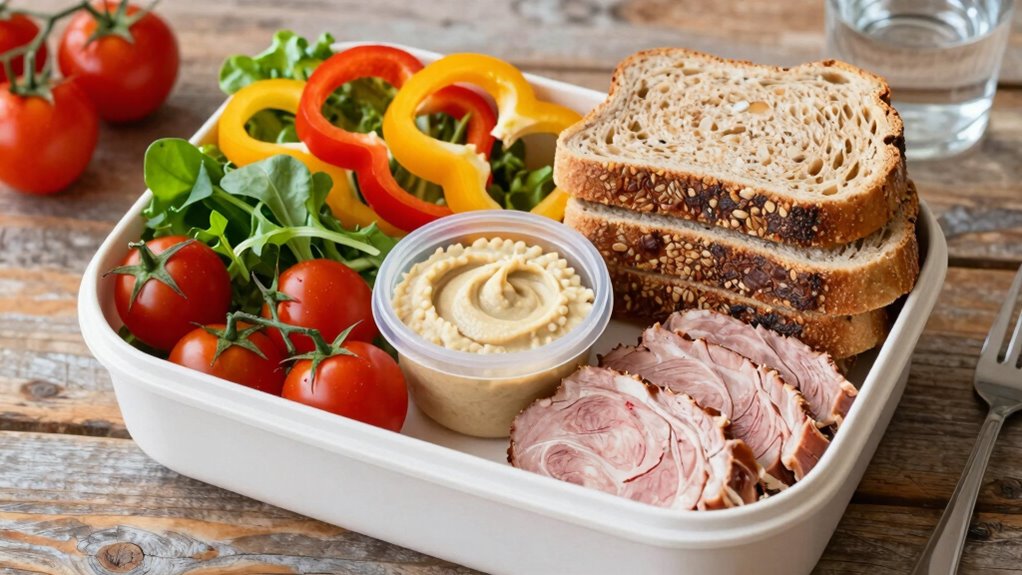
Creating a balanced, customizable lunch plate means choosing a variety of food options that keep you energized and satisfied. You’ll want to contemplate portion control to avoid overeating while still enjoying enough nutrients. By combining diverse foods thoughtfully, you can craft a meal that fits your tastes and nutritional needs. Paying attention to food portion sizes can help you achieve better balance and prevent overeating. Incorporating knowledge about contrast ratio can also guide you in selecting cost-effective ingredients. Additionally, exploring the performance characteristics of different food choices can optimize your energy and durability throughout the day. Understanding the free floating concept can help you design a meal plan that remains adaptable and flexible to your changing dietary preferences.
Diverse Food Options
Building a balanced, customizable lunch plate means selecting a variety of food options that provide essential nutrients and satisfy taste preferences. To keep your meal appealing and nutritious, consider these tips: 1. Mix proteins, grains, and vegetables to create a vibrant, satisfying plate. 2. Choose snack pairing options that complement your main items, like fruit with cheese or nuts with crackers. 3. Opt for beverage choices that enhance flavor and hydration, such as water, flavored water, or a small juice box. 4. Incorporate vintage-inspired containers and utensils to add a touch of retro charm to your lunch presentation. Additionally, exploring traditional dishes like bread pudding or apple pancakes can introduce comforting, flavorful options to your meal rotation.
Portion Control Strategies
To guarantee your lunch is both nutritious and satisfying, paying attention to portion sizes is key. Managing portion sizes helps you avoid overeating and keeps your calorie counting on track. Use a simple visual guide—half of your plate should be vegetables, a quarter lean protein, and a quarter whole grains. This balance ensures you get essential nutrients without excess calories. Pre-measuring snacks and sides prevents you from unintentionally overloading. When packing, consider your activity level and adjust portions accordingly. Smaller containers can help control servings, preventing overeating. Regularly check portion sizes against nutrition labels or trusted guidelines to stay mindful of calorie intake. Additionally, incorporating portion control strategies can further enhance your ability to create a balanced, satisfying lunch. Understanding vacuum technology and how it influences the preservation of food freshness can help you select appropriate containers for different types of foods. Being aware of food preservation methods can extend the freshness of your packed meals and minimize waste. For example, using vacuum-sealed containers can significantly reduce spoilage and preserve nutrients. By practicing portion control, you create a customizable, balanced lunch that satisfies your hunger and supports your health goals.
Creative Meal Ideas for Mixing and Matching
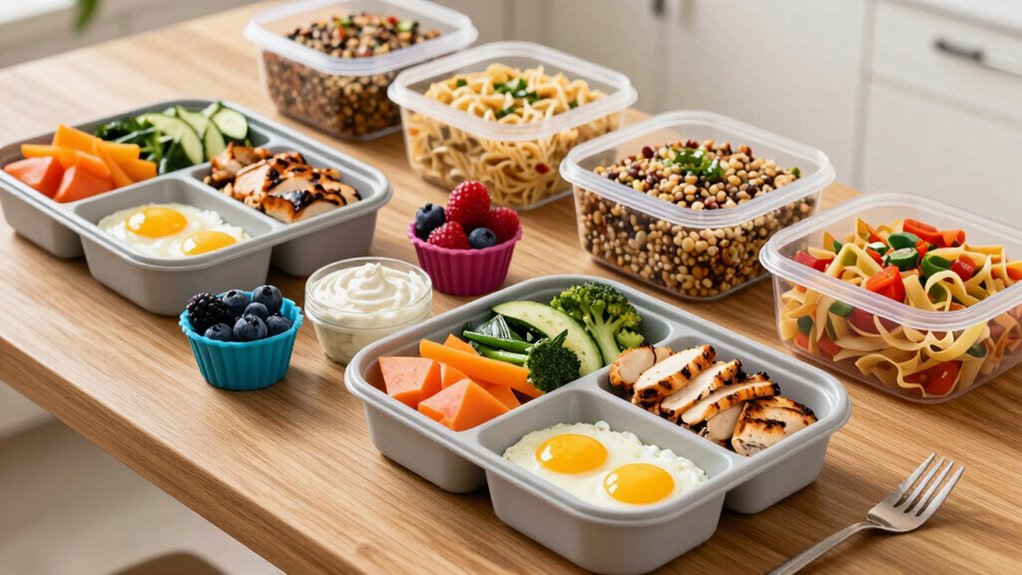
Mixing and matching different proteins, grains, and vegetables can make your lunches more exciting and nutritious. Try combining chicken with quinoa and colorful peppers, or beans with brown rice and cherry tomatoes. These creative pairings keep your meals fresh and appealing every day. Additionally, experimenting with unusual and mysterious flavor combinations can add an element of surprise and intrigue to your meals, making lunchtime both fun and memorable. Incorporating seasonal checklists for cleaning and maintenance can help ensure your meal prep areas stay hygienic and efficient, supporting your overall food safety. Being mindful of appliance efficiency can also help you save time and energy during meal preparation, making the process more convenient and cost-effective. Paying attention to meal prep organization can further streamline your routine and reduce stress. Incorporating energy-rich ingredients can also boost your midday focus and vitality.
Diverse Protein Options
Including a variety of protein options in your lunch pack keeps meals interesting and well-balanced. You can easily mix and match to suit different tastes and dietary needs. To maximize protein variety, consider incorporating meat alternatives like tofu, tempeh, or plant-based sausages. These options not only provide essential nutrients but also add flavor diversity. Here are some ideas: 1. Grilled chicken strips paired with hummus and veggie sticks 2. Lentil salad with feta cheese and cherry tomatoes 3. Veggie burger patties or falafel wraps Additionally, exploring plant-based protein sources can help diversify your meals further and cater to different dietary preferences. Incorporating protein diversity into your meal planning supports balanced nutrition and keeps lunchtime exciting. Understanding nutritional needs of different proteins can guide better meal choices, especially as new Bitcoin Runes standards emerge that may influence food supply chains through innovative tokenization of agricultural products.
Creative Grain Pairings
Creative grain pairings can transform a simple lunch into a satisfying and visually appealing meal. By mixing different grain pairings, you *discover* exciting flavor combinations that keep your meals interesting. For example, pairing fluffy quinoa with hearty brown rice creates a balance of textures and tastes. Combining couscous with roasted vegetables adds a light, nutty flavor, while mixing farro with wild rice introduces a chewy, robust element. These diverse grain pairings allow you to customize each lunch based on your mood or ingredients on hand. Experiment with flavor combinations like barley with toasted almonds or millet with fresh herbs. Not only do these pairings boost the flavor profile, but they also make your lunch more colorful and appealing—making every bite a delightful experience.
Colorful Vegetable Mixes
Ever considered how a vibrant array of vegetables can elevate your lunch? Colorful vegetable mixes not only boost nutrition but also enhance food presentation and meal plating. To create eye-catching combinations, start with these ideas:
- Mix cherry tomatoes, julienned carrots, and sliced bell peppers for a lively, crunchy medley.
- Combine roasted zucchini, purple cabbage, and yellow squash to add depth and contrast.
- Layer roasted beets, green beans, and red onions for a striking, earthy look.
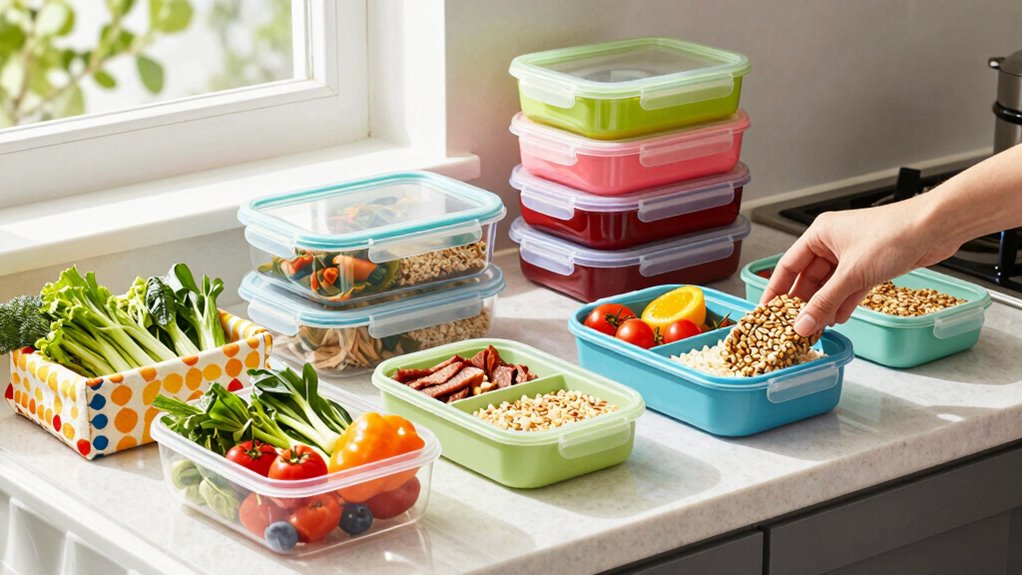
These mixes make your plate visually appealing and inviting. Use compartmentalized containers to keep colors separate or arrange vegetables artfully on your plate. This approach makes your meal more enjoyable, encouraging healthy eating while maximizing the visual impact of your lunch.
Time-Saving Tips for Preparing and Packing Your Lunch
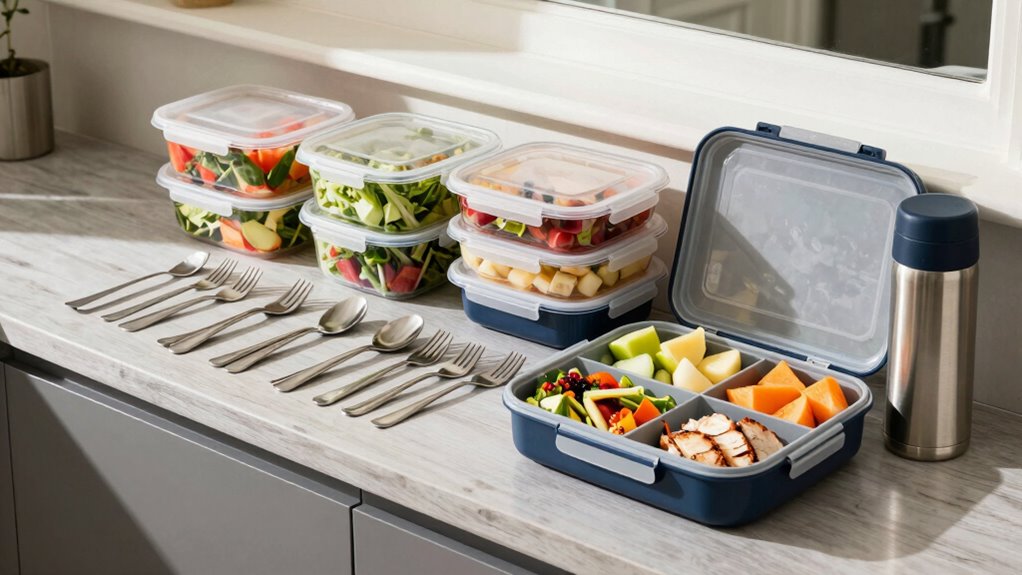
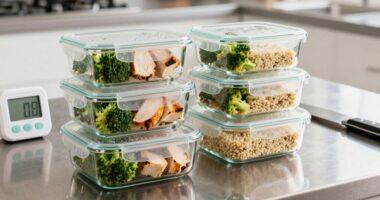
To save time when preparing and packing your lunch, planning ahead is essential. Start with meal prep by batch-cooking staples like grains, proteins, and vegetables. This way, you can quickly assemble different combinations throughout the week. Efficient ingredient sourcing also makes a difference—shop in bulk and keep a well-organized pantry to avoid last-minute grocery runs. Use clear containers to portion out meals in advance, so you’re not wasting time during busy mornings. Keep your lunch packing station stocked with essentials, making it easy to grab and go. Prepare ingredients the night before or on weekends to streamline your mornings. These simple steps ensure you spend less time in the kitchen and more time enjoying your lunch.
Adapting the System to Different Dietary Needs and Preferences
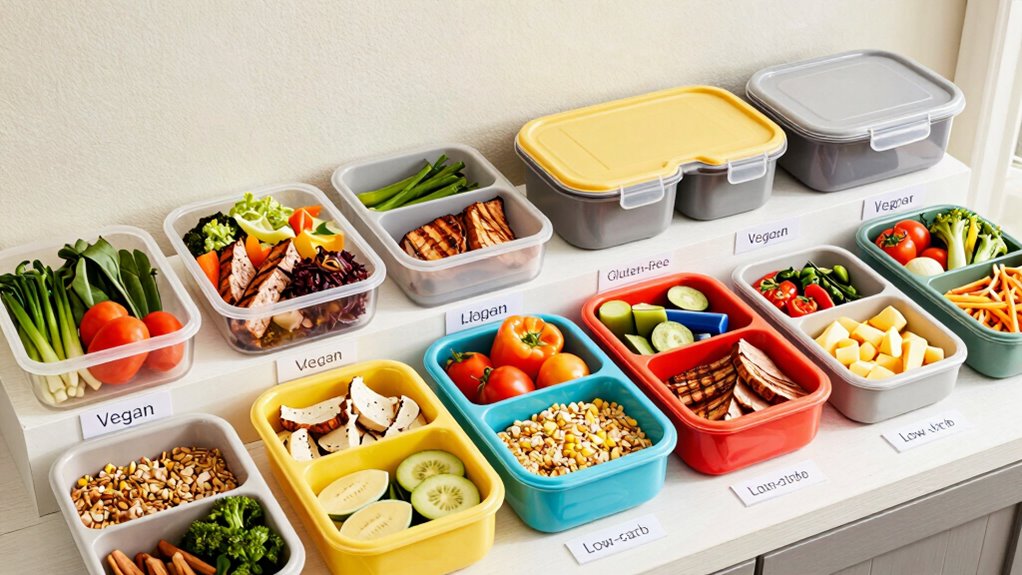
Adapting your lunch packing system to accommodate various dietary needs and preferences guarantees everyone stays satisfied and energized. To do this effectively, consider these steps:
- Include gluten-free options like rice cakes, nuts, or gluten-free bread to cater to those with sensitivities.
- Add vegetarian choices such as veggie wraps, bean salads, or cheese-based snacks for plant-based eaters.
- Mix and match these options with your regular items, creating variety and ensuring individual needs are met without extra hassle.
Common Mistakes to Avoid When Using the Mix-and-Match Approach
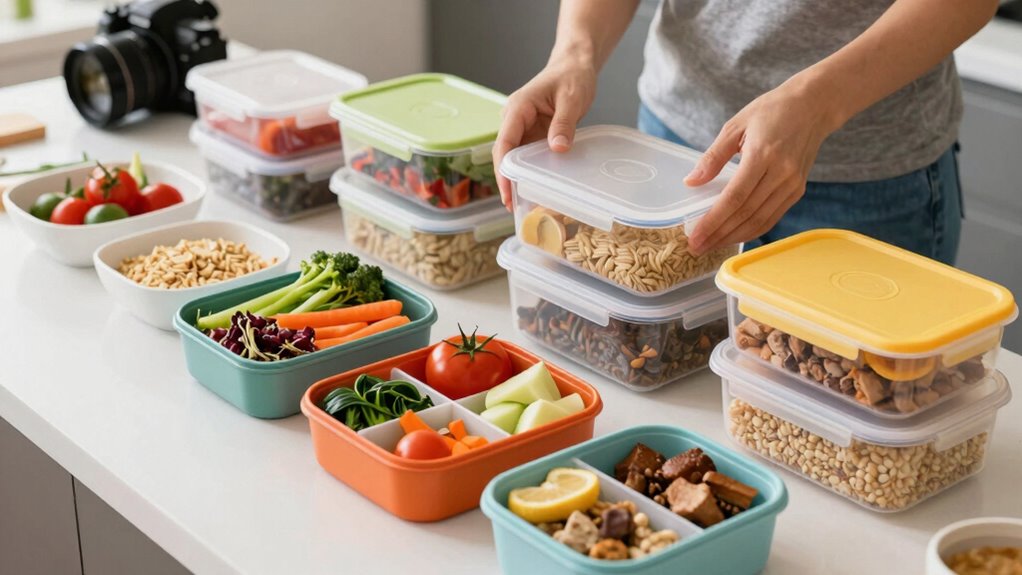
While using the mix-and-match approach can streamline lunch packing and provide variety, it’s easy to make mistakes that compromise balance and convenience. One common error is poor container selection, which can lead to leaks or difficulty in packing different food items. Choose containers that keep items fresh and are easy to open, especially for younger kids. Another mistake is mismatching fruit pairings, such as combining overly acidic fruit with more delicate options, which can result in spoilage or soggy textures. Avoid packing fruits that require different storage conditions in the same container. Also, neglecting to contemplate portion sizes may lead to waste or insufficient nutrition. By paying attention to container selection and thoughtful fruit pairing, you’ll ensure your lunch remains tasty, balanced, and easy to manage.
How to Keep Your Lunch Routine Exciting and Budget-Friendly
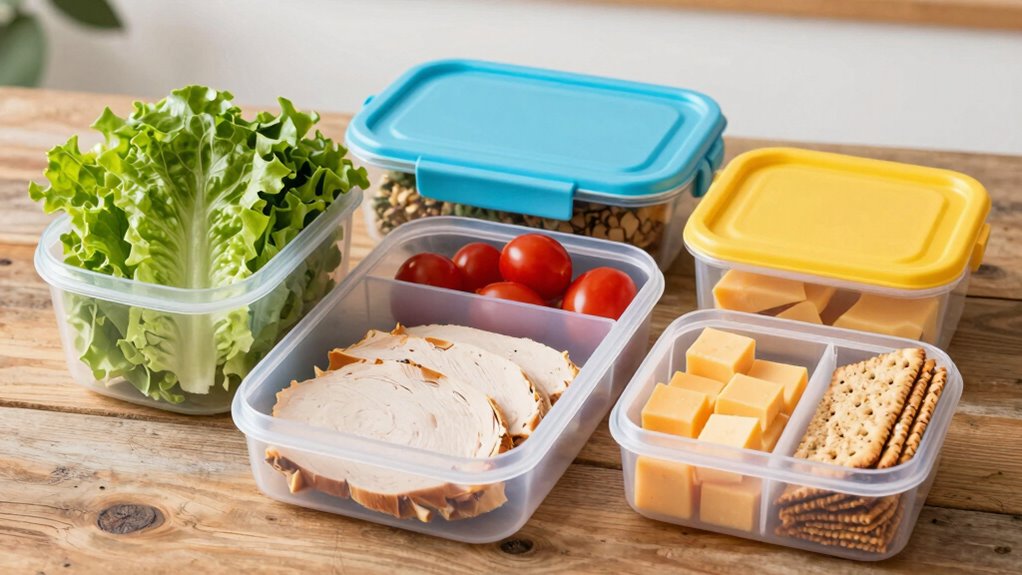
Keeping your lunch routine fresh and budget-friendly doesn’t mean sacrificing variety or quality. To stay exciting and respectful of lunch etiquette, try these tips:
- Rotate proteins, grains, and veggies regularly to prevent boredom and accommodate dietary restrictions.
- Pack small portions of different foods, encouraging variety without overspending.
- Incorporate versatile ingredients that can be used in multiple dishes, making it easier to follow dietary restrictions while keeping things interesting.
Frequently Asked Questions
How Long Can Pre-Packed Lunches Stay Fresh?
Pre-packed lunches typically stay fresh for 1 to 2 days if stored properly. To maximize freshness preservation, use airtight containers and keep perishable items refrigerated. For meal prep tips, pack snacks separately and include ice packs to maintain cool temperatures. Always check for any signs of spoilage before eating, and if in doubt, it’s best to discard the meal to avoid foodborne illnesses.
Are There Recommended Storage Containers for Variety?
You should choose reusable containers that are microwave safe to keep your variety fresh and convenient. Look for options with airtight lids to prevent spills and keep food fresh longer. Clear containers make it easy to see what’s inside, so you can quickly grab what you need. Investing in a set of versatile, microwave-safe reusable containers helps you pack diverse meals efficiently, saving money and reducing waste.
Can This System Accommodate Allergy Restrictions?
Think of your lunch system like a personalized playlist—each item tailored to your needs. Yes, it can accommodate allergy restrictions with allergy-friendly options and label customization. For example, you can designate specific containers for nut-free snacks and label them clearly, ensuring safety and convenience. This way, you maintain variety while respecting allergies, making your lunch both tasty and safe, just like hitting the perfect note every time.
How Do I Adjust Portions for Kids or Adults?
To adjust portions for kids or adults, focus on portion control by increasing or decreasing food amounts based on age and appetite. Use meal customization to tailor each lunch, adding more servings or smaller snacks as needed. For kids, opt for smaller portions to prevent waste, while adults may require larger servings. Keep flexibility in your system, so you can easily modify portions to suit individual needs without hassle.
What Budget-Friendly Sources Offer Versatile Ingredients?
You can’t beat hitting up affordable grocery stores for versatile ingredients that won’t break the bank. Stores like Aldi or Lidl often offer bulk ingredient options, making it easy to stock up on staples like rice, beans, and frozen vegetables. These sources give you the flexibility to mix and match meals while keeping costs low. Remember, a penny saved is a penny earned, so choose your ingredients wisely.
Conclusion
By adopting a mix-and-match lunch system, you can save up to 30% on your weekly food budget and cut waste profoundly. Imagine turning just a handful of ingredients into dozens of delicious combinations, making every lunch an exciting new experience. This approach not only keeps your meals budget-friendly but also helps you reduce food waste by using versatile ingredients. Start mixing and matching today, and enjoy flavorful, cost-effective lunches all week long!