
To prevent freezer burn with vacuum sealing, make sure to remove as much air as possible from the bag before sealing, which creates an airtight barrier that keeps moisture in and air out. Use proper sealing techniques, avoid overstuffing bags, and label their contents with dates. Organize your freezer to maintain consistent temperature and avoid repeated freeze-thaw cycles. Keep your food fresher longer—they’ll thank you for it. If you want more tips, keep exploring how to maximize your storage.
Key Takeaways
- Ensure bags are properly sealed without wrinkles or leaks for an airtight barrier.
- Remove most air from the bag before sealing to prevent freezer burn.
- Label and date sealed items to track freshness and use within optimal timeframes.
- Freeze items flat to save space and promote even thawing.
- Store vacuum-sealed food away from freezer door to maintain consistent temperature.
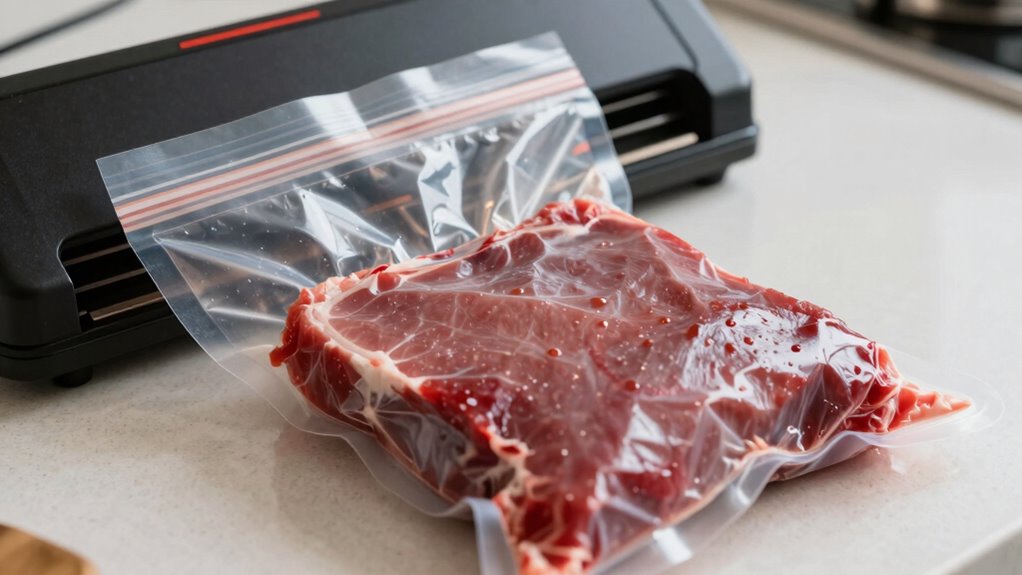
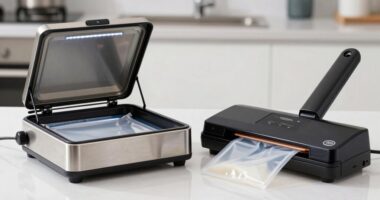
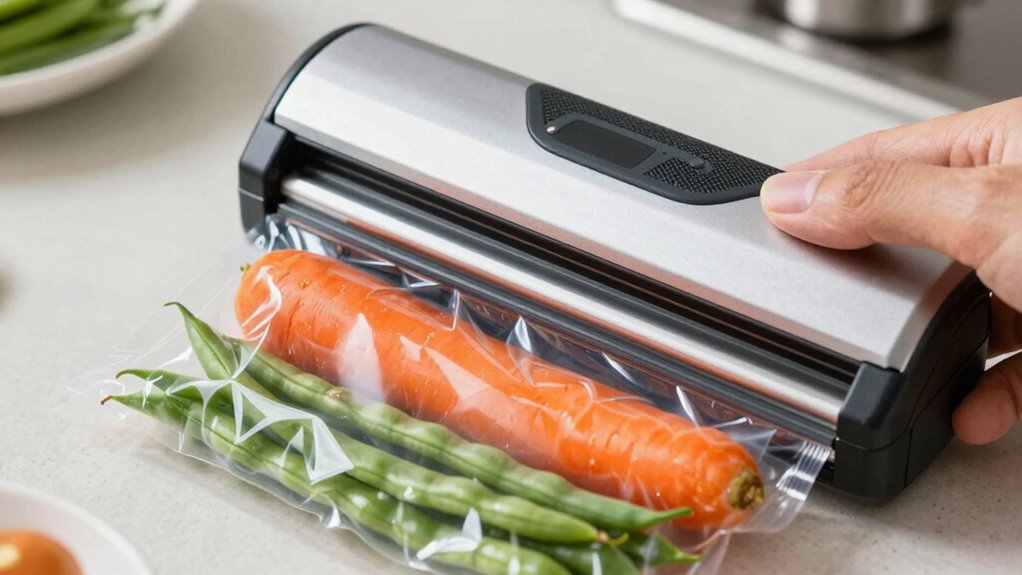
Are you looking for a simple way to extend the freshness of your food and save space in your freezer? Vacuum sealing is the answer. It’s a reliable method that helps prevent freezer burn, preserves nutrients, and keeps your food tasting fresh longer. Whether you’re meal prepping or storing leftovers, mastering the basics of vacuum sealing can make a noticeable difference. One effective tip is to ensure your bags are properly sealed and free of any wrinkles or leaks. This simple step creates an airtight barrier that blocks out moisture and air, which are the main culprits behind freezer burn. When you vacuum seal, you remove most of the air from the bag, markedly reducing oxidation and spoilage. This is especially beneficial for storing meats, vegetables, and even fruits for extended periods.
Incorporating sous vide cooking into your food storage routine can also enhance your food preservation. Since sous vide involves cooking food slowly in a water bath at a precise temperature, it requires vacuum-sealed bags to ensure even heat transfer. Using vacuum-sealed bags for sous vide not only makes cooking more efficient but also doubles as a storage method. After cooking, you can reseal the food and store it in the freezer, maintaining its freshness and flavor longer. This dual-purpose approach maximizes your storage space and reduces waste. Just remember, when using vacuum-sealed bags for sous vide, avoid overstuffing the bags to ensure they seal properly and withstand the water bath.
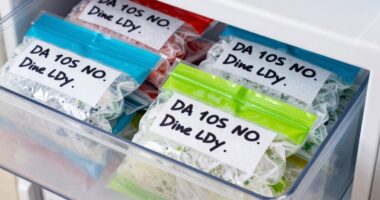
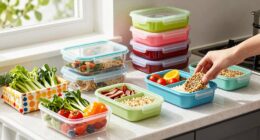
Food storage tips go beyond just sealing. Label your bags with the date of storage, so you can keep track of how long your food has been frozen. This helps you prioritize eating older items first and prevents spoilage. Also, try to freeze items flat, so they take up less space and thaw more evenly. For liquids like broths or marinades, use specialized bags designed for liquids to prevent leaks. When storing leftovers, portion them into meal-sized amounts. This way, you only defrost what you need, reducing waste and avoiding repeated freeze-thaw cycles that can degrade quality.
Lastly, consider the placement of your vacuum-sealed items in the freezer. Keep them organized and away from the freezer’s door, where temperature fluctuations are more common. This consistency in temperature helps maintain the quality of your stored food. With these food storage tips and proper vacuum sealing techniques, you’ll be able to extend the shelf life of your food, prevent freezer burn, and enjoy fresh-tasting meals for longer periods. Incorporating vacuum sealing into your routine not only saves you money but also makes meal prep and storage more efficient and less stressful.
Frequently Asked Questions
Can Vacuum Sealing Extend the Shelf Life of Fresh Produce?
Yes, vacuum sealing can extend the shelf life of fresh produce. By removing air, it helps preserve fruit and vegetable freshness, preventing oxidation and spoilage. This method keeps produce fresh longer, making it ideal for fruit preservation and maintaining vegetable freshness. Just guarantee you seal properly and store in the freezer for ideal results, so your produce stays tasty and nutritious for a much longer period.
Is It Safe to Vacuum Seal Cooked Foods?
Yes, it’s safe to vacuum seal cooked foods if you follow proper food safety and sealing techniques. Make sure the food cools completely before sealing to prevent bacteria growth. Use high-quality vacuum sealers to remove all air, and seal tightly to prevent leaks. Store the sealed cooked foods promptly in the freezer or refrigerator. Proper sealing helps maintain freshness and reduces the risk of spoilage or contamination.
How Should I Store Vacuum-Sealed Items Long-Term?
You should store vacuum-sealed items in a consistent, cool, and dark area like a freezer or pantry. Use sturdy storage containers or bags to prevent punctures. Label each package with the date and contents using clear labeling techniques to track freshness. This method helps maintain quality and prevents freezer burn, ensuring your stored foods stay fresh longer. Always check seals before storing long-term to avoid spoilage.
Can Vacuum Sealing Prevent Freezer Burn on All Types of Food?
They say “prevention is better than cure,” and vacuum sealing effectiveness depends on the types of food you store. It works well for meats, fruits, and vegetables, but may be less effective for foods with high moisture or porous textures, like bread or cheese. While vacuum sealing can considerably reduce freezer burn, it’s not foolproof for all foods. Proper packaging and storage methods still matter for ideal preservation.
What Are Common Mistakes to Avoid When Vacuum Sealing?
You should avoid common mistakes like inconsistent seal quality and overfilling your bags. Guarantee your seal is even and strong for maximum freshness, as poor seals can let air in. Don’t overfill the bag, leaving enough space for the seal to be secure. Also, make sure your food is dry before sealing, and don’t rush the process—this helps prevent freezer burn and keeps your food fresh longer.
Conclusion
Now that you know the secrets of vacuum sealing, you’re practically invincible against freezer burn! No more wasted food, no more soggy ice crystals sneaking into your meals—you’re now the ultimate food preservation superhero. Just seal, freeze, and conquer the cold with confidence. Say goodbye to ruined leftovers and hello to perfectly preserved treasures that could withstand an apocalypse. With these tips, your freezer will stay pristine, and your food will stay fresh forever—well, almost!