To keep your reverse osmosis system producing great-tasting water, you should replace pre-filters every 6 to 12 months and post-filters annually. Regular sanitation at least once a year, or more often if you notice odors, also helps maintain flavor and system health. Monitoring your tank and membrane ensures peak performance. Sticking to this schedule prevents clogs and bacterial growth, protecting your water quality and system longevity. Continue exploring to learn how to perfect your maintenance routine.

Get everyday essentials delivered free with Prime
- Fast, free delivery on millions of items
- Prime Video, Amazon Music and more included
- Member-only deals all year
Key Takeaways
- Replace pre-filters every 6 to 12 months to maintain effective contaminant removal and water quality.
- Change post-filters annually to ensure consistent taste and purity of the water.
- Sanitize the entire system at least once a year to prevent bacterial growth and odor issues.
- Monitor the storage tank for leaks, odors, and proper water flow to prevent system failure.
- Establish a routine maintenance schedule to keep the RO system functioning optimally and protect water taste.
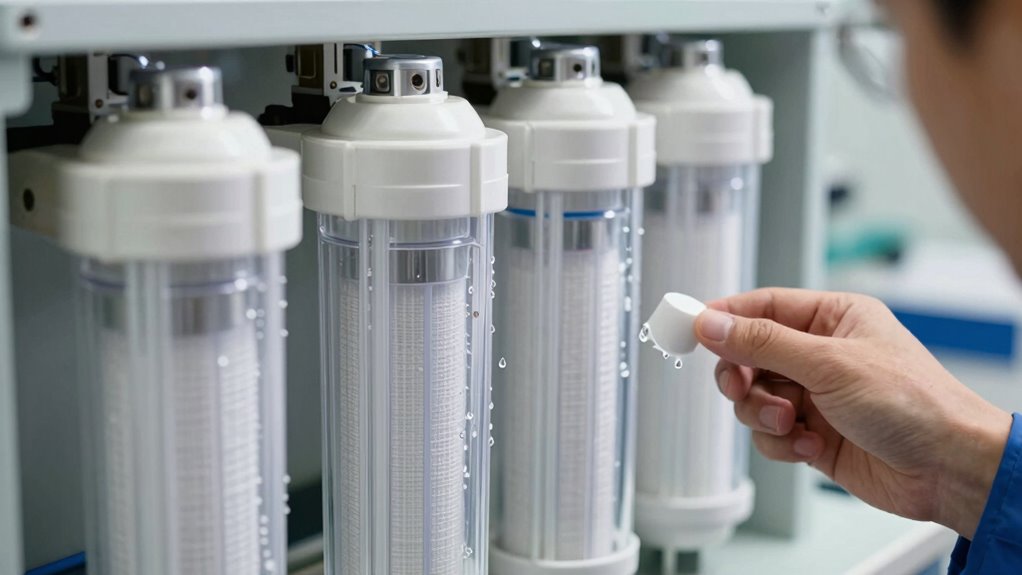
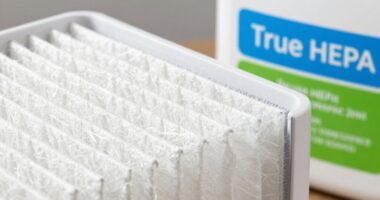
Maintaining your reverse osmosis (RO) system is vital to guarantee it continues to deliver pure, great-tasting water. Proper upkeep starts with regular filter replacement. Over time, filters trap contaminants, minerals, and sediments, but they also become less effective. Ignoring this leads to diminished water quality and potential damage to your system. You should replace your pre-filters every 6 to 12 months, depending on your water quality and usage. The post-filter, which polishes the water before it reaches your tap, typically needs changing every 12 months. Staying consistent with filter replacement ensures that your system maintains peak performance and prevents clogging or bacterial growth.
Regular filter replacement ensures your reverse osmosis system stays efficient and produces clean, great-tasting water.
In addition to changing filters, system sanitation should be a regular part of your maintenance routine. Over time, bacteria and algae can develop inside the system, especially if it remains unused for periods or isn’t cleaned properly. Sanitation involves flushing the entire system with a cleaning solution designed for RO units. This process removes buildup, biofilms, and other residues that could compromise water purity or cause foul tastes. It’s advisable to sanitize your system at least once a year or more often if you notice any unusual odors, tastes, or a decline in water quality. Proper sanitation not only prolongs the lifespan of your RO system but also ensures the water it produces remains safe and flavorful. Regular maintenance also helps prevent system failure and extends the life of your investment.
Beyond filter replacement and sanitation, keeping an eye on other components like the storage tank and membranes is essential. Regularly inspecting the tank for any leaks or odors helps catch problems early. If your system uses a membrane, monitor its performance—if you notice a drop in flow rate or quality, it might be time for a membrane replacement. Always follow the manufacturer’s instructions for specific maintenance intervals and procedures.
Maintaining your RO system doesn’t have to be complicated. Establishing a routine schedule for filter replacement and system sanitation keeps your unit functioning efficiently. This proactive approach prevents problems before they start, saving you money and frustration in the long run. Remember, the key to consistently great-tasting water lies in your commitment to regular upkeep. By staying on top of these simple tasks, you ensure your reverse osmosis system continues to provide clean, delicious water day after day.
reverse osmosis pre-filter replacement kit
As an affiliate, we earn on qualifying purchases.
As an affiliate, we earn on qualifying purchases.
Frequently Asked Questions
How Can I Tell if My RO System Needs Maintenance Sooner?
You can tell your RO system needs maintenance sooner if the water quality drops or tastes off. Keep an eye on the filter lifespan; if it’s nearing or past the recommended replacement date, it’s time to change filters. Also, watch for reduced water flow or increased pressure, which can indicate clogged filters. Regularly testing your water ensures you catch these signs early and maintain ideal taste and filtration.
Are There Any Signs of Filter Failure I Should Watch For?
While your water might look clear, watch for filter discoloration or unusual tastes, which signal filter failure. These signs reveal that the filter’s media is compromised, allowing impurities to pass through. If the water develops a metallic or rotten odor, or if the taste becomes off or strange, it’s time to inspect your filters. Acting promptly ensures your system continues to produce clean, great-tasting water and prevents damage.
Can I Upgrade My Filters for Better Taste and Longer Life?
Yes, you can upgrade your filters for better taste and longer life. Consider switching to high-quality filter materials like activated carbon blocks or advanced coconut shell carbon. Upgrade options like multi-stage filters or those with higher micron ratings can improve taste and extend filter lifespan. Regularly check compatibility with your system, and consult your manufacturer’s recommendations to guarantee peak performance and taste.
What’s the Best Way to Dispose of Used Filters Safely?
To dispose of used filters safely, start by checking if your local waste management accepts them for recycling or hazardous waste disposal. Avoid throwing filters in regular trash to reduce environmental impact, as they may contain contaminants. Consider repurposing or donating filters if possible. Proper filter disposal minimizes environmental harm and helps keep your community clean. Always follow manufacturer instructions for disposal to guarantee safety and environmental responsibility.
How Often Should I Sanitize My Entire RO System?
Did you know that regular sanitization extends your RO system’s filter lifespan? You should sanitize your entire RO system every 6 to 12 months, depending on water quality and usage. Incorporate this into your maintenance checklist to prevent bacteria buildup and maintain water taste. Proper sanitization not only protects your health but also keeps your system functioning efficiently, ensuring fresh, clean water at all times.
Conclusion
Regularly maintaining your reverse osmosis system is key to ensuring great-tasting water and peak performance. Following the recommended filter schedule can extend your system’s lifespan and save you money on repairs. Did you know that neglecting filter changes can reduce your system’s efficiency by up to 30%? Stay consistent with maintenance, enjoy clean, fresh water, and keep your system running smoothly for years to come. Your taste buds—and your wallet—will thank you!
Halloween Picks
halloween
As an affiliate, we earn on qualifying purchases.