Hollywood’s dramatic makeovers rely on sophisticated digital effects and cutting-edge CGI, transforming actors and scenes in ways you might not notice. Creating realistic digital models and aging techniques costs millions but is becoming more affordable thanks to technological advances. Studios often use these tools for remakes, reboots, or resurrecting stars, raising both excitement and ethical questions. As technology progresses, you’ll see even more impressive transformations that push the boundaries of storytelling—stay tuned to uncover how these magic tricks come to life.
Key Takeaways
- Digital transformations like de-aging and actor resurrection rely on sophisticated CGI and AI to enhance realism and storytelling.
- High costs historically limited digital effects to major studios, but technological advances are gradually making them more accessible.
- Hollywood frequently uses remakes and reboots, often employing digital recreations of stars to boost familiarity and box office appeal.
- Ethical considerations arise with digital actor recreation, including rights management and questions about the concept of immortal actors.
- Future innovations aim to democratize digital effects, enabling more creative and seamless movie makeovers across the industry.
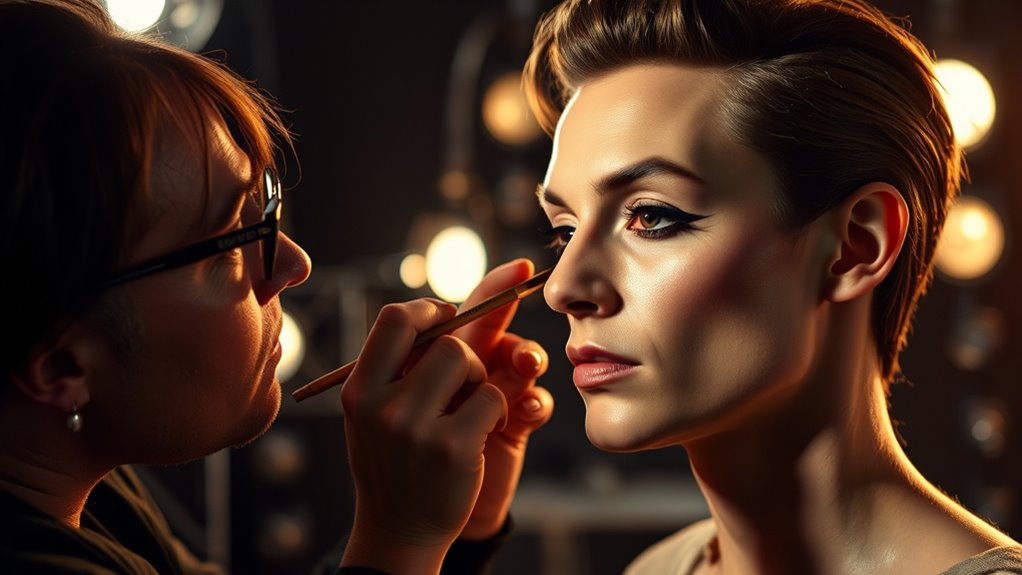
Producing these digital transformations isn’t cheap; creating a realistic digital head model can cost around a million dollars. Each frame of animation, depending on complexity, can cost between $30,000 and $100,000. Because of these costs, only large studios typically use such techniques, reserving them for blockbuster hits or high-profile projects. However, as technology advances and becomes more affordable, we can expect costs to drop, making these effects more accessible in the future. Digital de-aging techniques involve sophisticated re-calibration of star images to fit historical and temporal contexts. The history of Hollywood’s love for remakes and recycling also plays a role in driving these digital transformations. Remakes aren’t new; they date back to the 1930s and 1950s, part of Hollywood’s long-standing tendency to revisit successful stories. Today’s reliance on remakes, sequels, and reboots reflects a cautious approach to risk, often leaning on familiar faces—sometimes digitally recreated—to boost box office appeal. Fascinatingly, studies show that Hollywood’s earlier eras saw even higher rates of remakes than today, with cross-cultural and genre transformations adding to their appeal. Additionally, digital actor recreation is revolutionizing the industry by enabling the creation of entirely new characters or reviving classic ones with unprecedented realism. AI and CGI are transforming how actors are reshaped on screen. These tools allow filmmakers to bring back youthful versions of stars or transfer the essence of deceased actors into new digital performances. This raises ethical questions about rights and the concept of “eternal actors,” as digital resurrection could keep stars alive forever in archives. The technology is also advancing in dialogue replacement, making digitally altered performances sync perfectly with voice recordings. Although costly now, ongoing innovations promise to democratize these techniques, potentially revolutionizing the art of movie makeovers and redefining the boundaries of cinematic storytelling.
Top picks for "hollywood transformation magic"
Open Amazon search results for this keyword.
As an affiliate, we earn on qualifying purchases.
Frequently Asked Questions
How Long Does a Typical Hollywood Makeover Process Take?
A typical Hollywood makeover takes several months, usually between 3 to 6 months during preproduction. You’ll see extensive makeup, prosthetics, and costume fittings scheduled well in advance to match the creative vision. During principal photography, makeup application can take hours daily, with some scenes requiring multiple looks. Postproduction adds extra time for digital effects, blending practical makeup with CGI, often extending the process up to a year depending on complexity.
What Are the Most Challenging Transformations in Film History?
You’re about to witness the most challenging film transformations—like building a new identity from the ground up. Actors endure grueling hours in prosthetic chairs, battling to become someone else entirely. The most demanding moments involve intricate prosthetics, weight changes, and emotional endurance, pushing performers beyond their limits. These transformations are like climbing mountains, requiring relentless dedication, precision, and artistry to make the impossible appear seamless, unforgettable, and truly transformative.
How Do Actors Prepare Psychologically for Drastic Makeovers?
When preparing for drastic makeovers, you focus on mental resilience and emotional readiness. You study your character’s backstory, use visualization, and practice staying in character despite physical discomfort. Routines like breathing exercises and meditation help manage long hours in prosthetics. Support from your team and maintaining a clear boundary between your identity and the character are essential. These strategies help you adapt, stay focused, and deliver authentic performances despite physical and emotional challenges.
What Innovative Techniques Are Emerging in Movie Makeup?
You’re seeing exciting innovations in movie makeup, like using concealer lips with modern hydration for fuller, natural-looking lips. Naturalistic skin effects, such as velvet finishes and soft brows, boost realism on camera. SFX techniques now incorporate vibrant paints, colored contacts, and creative prosthetics, making characters more believable. Advanced formulations with skincare ingredients, precise application tools, and hybrid products help makeup artists achieve stunning, durable looks that enhance storytelling and character transformation seamlessly.
Are There Ethical Concerns With Extreme Physical Transformations?
Imagine sculpting a masterpiece on a fragile canvas—that’s what extreme transformations do to actors. You need to ask, are these changes built on ethical ground? Risks like hormonal chaos and organ damage threaten their health, while pressures may push them into coercion. Transparency and informed consent are your shields, ensuring actors aren’t sacrificed on the altar of cinematic magic, preserving their dignity and well-being amid the spectacle.
Conclusion
As you watch these stunning Hollywood transformations, remember they’re more than just appearances—they’re symbols of reinvention and hope. Behind every change lies a story of resilience, like a butterfly emerging from its cocoon. These makeovers remind you that transformation is possible, no matter how formidable the process. So, next time you see a star’s dramatic change, see it as a beacon, inspiring you to embrace your own metamorphosis and shine in your own unique way.