
By 2025, the fashion industry faces a fierce clash between fast fashion’s rapid, affordable options and the push for sustainability. Consumers are demanding more eco-friendly choices while still craving trendy, low-cost apparel. Brands are adopting digital innovations and ethical practices, but challenges remain—especially as environmental concerns grow stronger. If you want to understand how this showdown will shape what you wear and buy, there’s more to uncover ahead.
Key Takeaways
- Growing consumer demand for sustainable and eco-friendly fashion options challenges fast fashion’s dominance.
- Industry trends indicate increased adoption of circular economy models and resale platforms by 2025.
- Fast fashion remains cost-effective and quick-to-market, but faces rising regulatory and reputational risks.
- Technological innovations enable sustainable practices, yet fast fashion leverages AI and supply chain efficiencies to maintain growth.
- The industry is balancing environmental concerns with economic pressures, leading to a potential showdown between sustainability and fast fashion.

As we look ahead to 2025, the fashion industry is experiencing rapid transformation driven by technological innovation, shifting consumer preferences, and growing sustainability concerns. The global apparel market is projected to reach $1.84 trillion, making up about 1.65% of the world’s GDP, with steady growth expected at a CAGR of 2.81% through 2028. In the United States alone, apparel sales are forecasted at $365.7 billion, reflecting a mature market, while worldwide fashion revenue is estimated to hit nearly $771 billion in 2024, aiming for $1 trillion by 2029, with some sources predicting even faster growth. Despite a sharp 11.46% decline in 2020 caused by the pandemic, the industry rebounded swiftly, and by 2023-2025, it’s on a clear upward trajectory.
The fashion industry is rapidly evolving, with global market growth, technological advances, and sustainability shaping its future trajectory.
As a consumer, you’re purchasing more clothing than ever—an average of 53 items annually in the U.S., with an average of $16.40 per item. You spend roughly $162 each month on fashion, and nearly half of your shopping happens online, with e-commerce accounting for 48% of retail sales. Your buying habits are shifting; you’re increasingly prioritizing value and sustainable options. Studies show that 75% to 86% of consumers, especially Gen Z and millennials, often trade down on quality or features to get better value, which influences brands to rethink their offerings. Inflation remains a concern for about a third of global shoppers, making price sensitivity more pronounced. Additionally, the rise of digital retail innovation is reshaping how you discover and purchase fashion, making immersive and personalized shopping experiences more common.
Sustainability is no longer optional; it’s a core driver shaping the industry’s future. The fashion sector contributes considerably to environmental issues—responsible for up to 8% of global greenhouse gases and around 20% of industrial wastewater. Consumers are demanding more eco-friendly choices, fueling growth in resale fashion, which is expected to comprise 10% of global sales by 2025. Yet, the market faces hurdles: about 90% of sustainability-focused startups fail, highlighting the challenging landscape for green innovation. Brands are under increasing pressure to cut their environmental footprint, especially as regulations tighten and consumer scrutiny intensifies. Global fashion revenue is projected to reach $770.9 billion in 2024, emphasizing the industry’s rapid expansion.
Behind the scenes, the industry employs approximately 430 million people worldwide, with major hubs in Asia supporting fast fashion and mass production. While employment remains stable, automation and shifting production centers influence job dynamics, and there’s a rising focus on ethical labor practices. Diversity, equity, and inclusion are gaining importance, reflecting wider societal shifts and consumer expectations. Meanwhile, technological advances are transforming how you shop—AI, virtual try-ons, and seamless omni-channel experiences are becoming standard. The fashion e-commerce market alone is valued at $781 billion in 2025 and is expected to continue growing rapidly, with digital innovation becoming essential to meet the demands of a tech-savvy generation.

Brother Color Laser Printer with Wireless Printing Fast 19 PPM Output, Duplex Feature, Mobile Device Compatible, 250-Sheet Paper Tray for Professional Home Office Printing (HL-L3220CDW)
Professional Quality: Brother Genuine color laser printer delivers stunning business documents with crisp text and vibrant graphics at...
As an affiliate, we earn on qualifying purchases.
Frequently Asked Questions
How Will Consumer Behavior Shift Toward Sustainable Fashion by 2025?
You’ll notice a clear shift toward sustainable fashion by 2025, as more consumers are willing to pay extra for eco-friendly products. You’ll likely prioritize brands that are transparent about their supply chains and ethical practices. Resale, rental, and repair options will appeal to your minimalist values, helping you reduce waste. Despite economic pressures, your generation’s focus on quality, sustainability, and technological transparency will drive this positive change.
What Innovative Materials Are Emerging for Eco-Friendly Clothing Production?
You’re seeing exciting innovations in eco-friendly clothing materials. Biofabricated options like mycelium leather mimic traditional leather without cruelty or toxins, with a smaller carbon footprint. Agricultural waste fibers, such as pineapple leaves and orange peels, help reduce waste and support circular economies. Algae and bacterial textiles are emerging as compostable, carbon-negative options. Plus, recycled fibers from plastic waste and old garments are transforming the industry, making sustainable fashion more accessible and viable.
How Will Legislation Impact Fast Fashion Brands in the Next Two Years?
You’ll see fast fashion brands face increased regulatory pressures in the next two years, requiring you to measure and disclose emissions, trace supply chains, and meet sustainability targets. Compliance will demand investment in new infrastructure and more transparent practices. Failure to adapt could lead to penalties, reputational damage, or loss of market access, especially in states like California and New York. This shift pushes you toward more sustainable operations and greater accountability.
What Role Will Technology Play in Promoting Transparency in Supply Chains?
They say “trust is built on transparency,” and technology plays a crucial role in that. You’ll see blockchain creating an unchangeable record of every supply chain step, making it easier for you to verify origins, ethical practices, and quality. This tech fosters accountability, reduces fraud, and helps brands meet regulatory demands. As a result, transparency becomes the norm, empowering you to make more informed, ethical choices in your fashion purchases.
How Can Small Brands Compete With Fast Fashion Giants Sustainably?
You can compete with fast fashion giants sustainably by focusing on innovative materials like organic cotton and mushroom leather, which reduce environmental impact. Emphasize circularity through take-back programs and resale initiatives, and design for durability and repairability. Engage your customers with education and transparent communication, and form collaborations with environmental organizations. By aligning your supply chain with renewable energy and adopting low-waste practices, you build a responsible brand that appeals to eco-conscious consumers.

HP Color Laserjet Pro 3201dw Wireless Color Laser Printer, Office Printer, Duplex, Best for Office (499Q9F)
FROM AMERICA'S MOST TRUSTED PRINTER BRAND – Perfect for small teams printing professional-quality color documents and reports. Print...
As an affiliate, we earn on qualifying purchases.
Conclusion
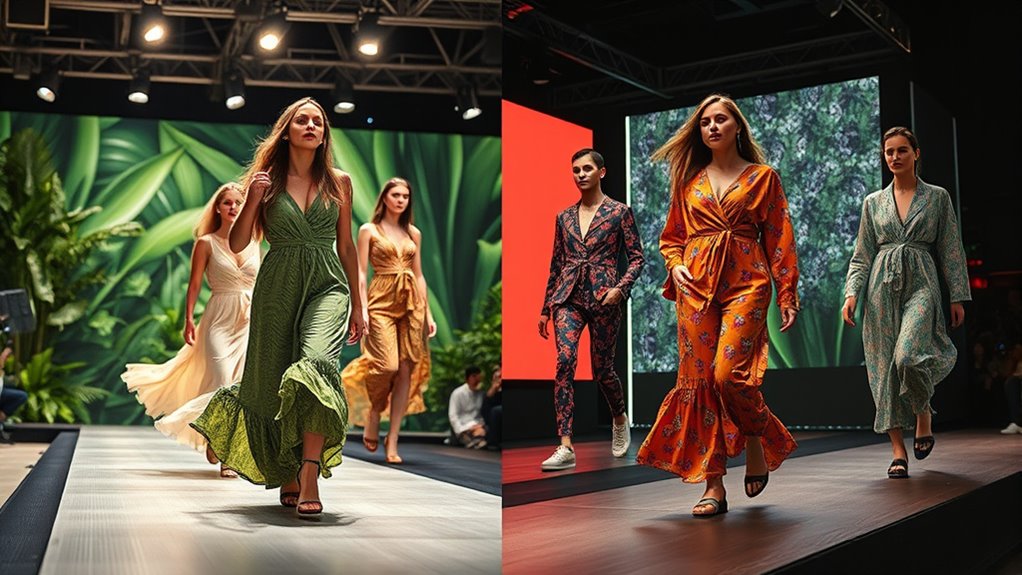
As you stand at the crossroads of fashion’s future, imagine a world where vibrant, eco-friendly fabrics dance with sunlight, replacing the dull hum of fast fashion’s churn. The choice is yours—embrace sustainability’s lush, green horizon or stay caught in the whirlwind of fleeting trends. With every decision, you shape a runway that’s brighter, cleaner, and more alive. The runway of 2025 awaits your step—will you walk into a sustainable masterpiece or a fleeting, fast-paced illusion?
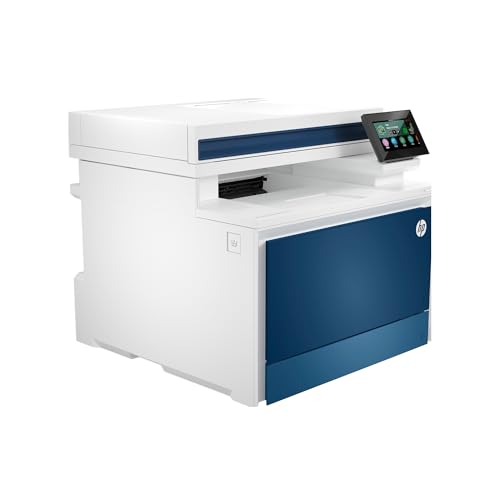
HP Color LaserJet Pro MFP 4301fdw Wireless All-in-One Color Laser Printer, Scanner, Copier, Fax, Best-for-Office
EVERYTHING SMALL TEAMS NEED – Print, scan and copy professional-quality color documents and reports plus fax. Auto 2-sided...
As an affiliate, we earn on qualifying purchases.

Brother HL-L3280CDW Wireless Compact Digital Color Printer with Laser Quality Output, Duplex, Mobile Printing & Ethernet | Includes 2 Month Refresh Subscription Trial¹,Works with Alexa
Best for Small Offices and Home Offices, the Brother HL-L3280CDW wireless compact digital color printer consistently produces impressive,...
As an affiliate, we earn on qualifying purchases.