TL;DR

Get everyday essentials delivered free with Prime
- Fast, free delivery on millions of items
- Prime Video, Amazon Music and more included
- Member-only deals all year
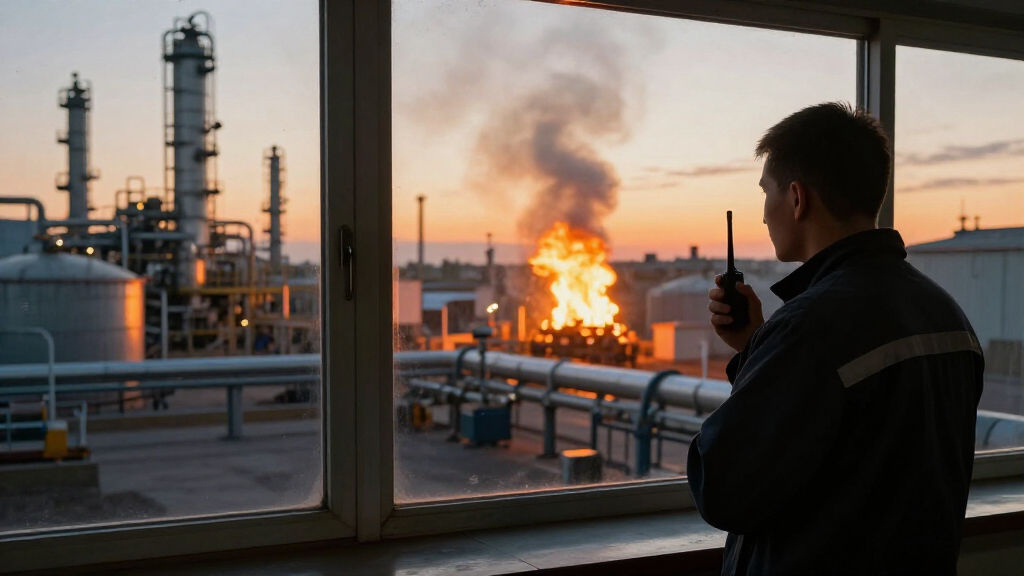
Ukrainian monitoring Telegram channels reported that drones struck the Gazprom Neftekhim Salavat refining complex in Bashkortostan overnight on October 8. Eyewitness images reviewed by the independent channel Astra appeared to show a fire at the site, but regional authorities had not confirmed damage or operational disruption.
Russia’s Defense Ministry said its air defenses shot down 399 Ukrainian drones over Russian regions, occupied Crimea and the Black Sea since the evening of October 7. The circumstances and consequences of the reported Salavat strike remain unclear.
Ukrainian monitoring Telegram channels reported that drones struck Gazprom Neftekhim Salavat, a major oil-refining complex in Salavat, Bashkortostan, overnight on October 8, in a reported attack on a Russian industrial site similar to a strike on a key gas-producing region. Images and video reviewed by the independent channel Astra appeared to show a fire on the facility’s grounds, but regional authorities had not reported damage, casualties or a shutdown by the time of the report.
The initial reports came from the Ukrainian monitoring channels Exilenova+ and Supernova+, according to Meduza. Astra said it reviewed eyewitness photographs and videos and concluded that the fire likely broke out within the refinery grounds. That assessment supports the reported location of the fire but does not establish the extent of damage or confirm which equipment, if any, was affected.
Bashkortostan’s authorities declared an air raid alert overnight because of the threat of a Ukrainian drone attack. They had not issued an account of the reported strike’s aftermath. The report did not say whether refinery operations were suspended, reduced or continuing normally.
A separate incident involving drone strikes in multiple Russian regions was reported in Russia’s Krasnodar region. A local emergency response headquarters said drone debris fell on a facility, damaging a building and starting a fire. It reported no injuries but did not identify the facility. Russia’s Defense Ministry said air defenses had shot down 399 Ukrainian drones since the evening of October 7 over Russian regions, occupied Crimea and the Black Sea. The ministry’s figure is its own account; the report did not independently verify it or specify how many drones were directed at Salavat.
Potential Pressure on Refining Capacity
The reported strike concerns an oil-refining complex, where a prolonged interruption could affect the processing of crude oil and the supply of refined products. At this stage, however, there is no confirmed information that the Salavat facility stopped operating, or that the reported fire caused substantial damage. The possible effect on production cannot be assessed from the available reporting.
The incident is part of a wider pattern of Ukrainian drone attacks on Russian oil infrastructure. Meduza reported that strikes have previously forced Russian refineries to suspend or halt operations and contributed to a fuel crisis in Russia over the summer. That background makes any confirmed disruption at a large refinery relevant, but it does not establish that this incident has affected fuel supplies.
The reported strike also follows a warning from Ukrainian President Volodymyr Zelensky in early October that Ukraine would step up attacks on Russian oil refineries. Russia’s Defense Ministry threatened to respond by expanding strikes on targets in Ukraine. These statements describe the two governments’ positions; they do not confirm the details or outcome of the Salavat incident.
As an affiliate, we earn on qualifying purchases.
Earlier Strikes and Official Warnings
Gazprom Neftekhim Salavat is described in the report as one of Russia’s largest oil-refining complexes. It is located in Salavat, in the Republic of Bashkortostan, far inside Russia. Ukrainian drones have targeted the refinery more than once during Russia’s full-scale war against Ukraine, according to Meduza.
Drone attacks on Russian oil-processing sites have drawn attention because damage can force facilities to pause operations. Meduza linked earlier refinery shutdowns to pressure on Russia’s fuel supply over the summer. The report did not provide production figures, details of past damage at Salavat, or a measure of how much any previous shutdowns contributed to the fuel crisis.
In early October, Zelensky said Ukraine would increase attacks on Russian refineries. Russia’s Defense Ministry responded with a threat to expand attacks on targets in Ukraine. The October 8 reports arrive against that backdrop, but the available information does not establish who carried out the specific strike beyond the monitoring channels’ attribution to Ukraine, nor does it establish a Russian response tied to this incident.
“The fire likely broke out on the grounds of Gazprom Neftekhim Salavat.”
— Astra, an independent Telegram channel, as reported by Meduza
Damage and Operations Unconfirmed
The scale of any damage at Salavat is not known. Bashkortostan’s authorities had not described the aftermath, and the report offered no confirmation from the refinery about fires, injuries, equipment damage or operational status. Astra’s review indicated that a fire was likely on the grounds, but it did not establish what was burning or whether the strike caused it.
It is also unclear how many drones approached or reached the refinery, whether Russian air defenses intercepted any near the site, and whether the reported fire was extinguished. The Defense Ministry’s figure covers a broad area and time period, so it cannot be used to determine the number involved in this particular event.
The Krasnodar report leaves the affected facility unidentified. The available information does not connect that incident to the Salavat strike or establish whether either event caused broader disruption. No independent operational or damage assessment was included in Meduza’s report.
Awaiting Regional and Refinery Updates
The next significant information would be a statement from Bashkortostan authorities or Gazprom Neftekhim Salavat confirming whether the complex was damaged and whether operations were interrupted. Further verified images, an assessment of the fire and any reports of injuries would help clarify the consequences.
Officials may also provide more detail about the separate Krasnodar incident, including the facility involved and the extent of the damage. Until authorities or independently verifiable evidence establish what happened at Salavat, the strike’s operational and economic effects remain unconfirmed.
Key Questions
Where was the reported drone strike?
Ukrainian monitoring channels reported a strike at Gazprom Neftekhim Salavat, an oil-refining complex in the city of Salavat in Russia’s Bashkortostan region.
Has damage to the refinery been confirmed?
No official confirmation of damage was included in the report. Astra reviewed eyewitness photos and videos and said a fire likely broke out on the refinery grounds, but the damage and cause have not been established.
Did the refinery stop operating?
The report did not say whether the refinery suspended or reduced operations. Its operating status was not confirmed at the time of publication.
What did Russia say about the wider drone attacks?
Russia’s Defense Ministry said air defenses shot down 399 Ukrainian drones over Russian regions, occupied Crimea and the Black Sea from the evening of October 7. That is the ministry’s reported total across those areas, not a confirmed count for the Salavat strike.
Was the incident in Krasnodar part of the same strike?
The report described a separate incident in Krasnodar, where local emergency officials said drone debris damaged a building and started a fire, with no injuries reported. It did not establish a link between that incident and the reported strike in Bashkortostan.
Source: rss
Fall Picks
fall essentials
As an affiliate, we earn on qualifying purchases.