
Your energy bills spike when you leave appliances plugged in or use outdated, inefficient models that consume more power. Phantom load from devices on standby, running appliances when not full, and skipping regular maintenance all waste energy. Using energy-hungry gadgets without considering efficiency drives costs up too. Switching to smart thermostats and energy-efficient appliances, along with smarter habits, can cut your bills markedly—continue to discover how to optimize your home’s energy use.
Key Takeaways
- Leaving appliances plugged in causes phantom load, increasing unnecessary energy consumption.
- Running appliances during peak hours without energy-efficient settings spikes energy bills.
- Using outdated or non-Energy Star appliances reduces efficiency and raises energy costs.
- Neglecting regular maintenance, like cleaning filters, decreases appliance efficiency and increases energy use.
- Failing to optimize appliance use, such as running full loads or using energy-saving modes, leads to higher bills.
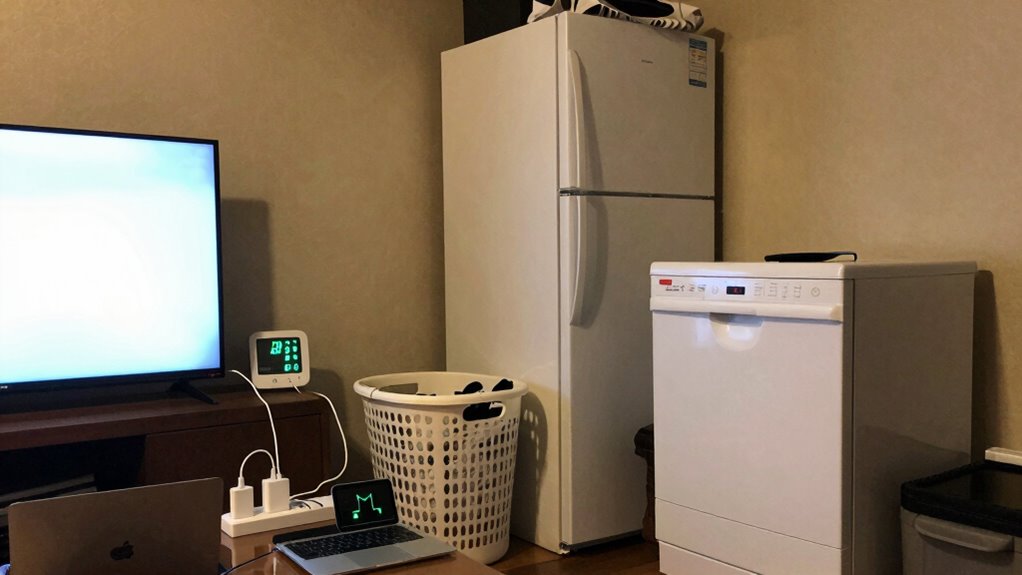
Have you ever wondered how much energy your home consumes and how you can reduce it? The truth is, your daily habits and the appliances you rely on play a big role in driving up your energy bills. But the good news is, small changes can lead to significant savings. One effective way to start is by upgrading to a smart thermostat. Unlike traditional models, a smart thermostat learns your schedule and adjusts the temperature accordingly. This means you’re not wasting energy heating or cooling your home when you’re away or asleep. It’s a simple step that can lower your utility bills while keeping your home comfortable. Coupled with energy-efficient appliances, a smart thermostat becomes even more powerful. These appliances are designed to use less electricity without sacrificing performance, whether it’s your refrigerator, washer, or dishwasher. They often feature advanced technology that enhances energy use, helping you cut costs over time.
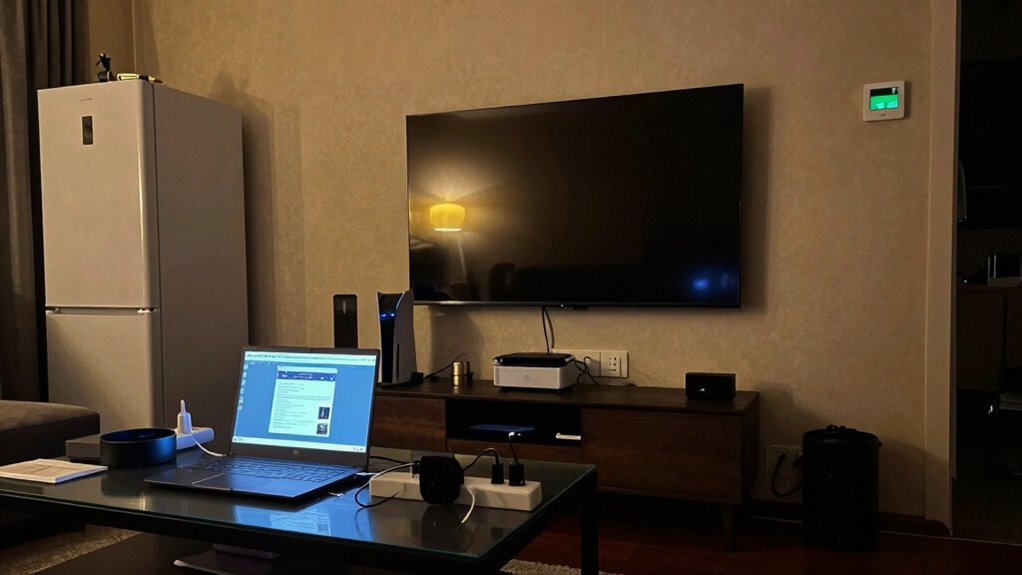
Another habit that can spike your bills is leaving devices and appliances on when they’re not in use. It’s tempting to leave your TV, computer, or chargers plugged in, but they draw power even when turned off—what’s called phantom load. Making a habit of unplugging these devices or using power strips with switches can save a surprising amount of energy. Additionally, running appliances only when they’re full or at ideal times can make a difference. For example, wait until your laundry basket is full before running the washing machine, and choose energy-saving modes whenever possible. These small adjustments reduce unnecessary energy consumption and extend the life of your appliances.
You should also consider how your appliances are rated for energy efficiency. Look for the Energy Star label when shopping for new appliances. These models meet strict standards for energy conservation, meaning they consume less electricity and help lower your bills. Regular maintenance, like cleaning filters and coils, ensures your appliances run efficiently, further cutting down energy use. While it might seem minor, the cumulative effect of these habits adds up.
Finally, think about your overall home environment. Proper insulation, sealing leaks, and managing your thermostat settings can prevent energy wastage. When combined with a smart thermostat and energy-efficient appliances, you create a more sustainable and cost-effective household. Understanding the contrast ratio of your projector can also help you select equipment that renders clear, detailed images in dark scenes, enhancing your viewing experience. Small, intentional changes in your appliance habits not only reduce your bills but also contribute to a healthier planet. So, start today—your wallet and the environment will thank you.
Frequently Asked Questions
How Can I Identify the Most Energy-Consuming Appliances in My Home?
You can identify your most energy-consuming appliances by using appliance energy monitoring devices or conducting a home energy audit. These tools help you track which appliances use the most power, allowing you to see where your energy is going. With this information, you can prioritize replacing or adjusting usage habits for high-energy devices, ultimately reducing your bills and improving your home’s energy efficiency.
What Are Some Cost-Effective Upgrades to Reduce Appliance Energy Use?
You can cut costs by switching to energy-efficient lighting and using smart power strips. For instance, a family in Ohio reduced their energy bills by 20% after replacing incandescent bulbs with LED lights and plugging their devices into smart strips that automatically turn off when not in use. These upgrades are affordable, easy to implement, and substantially reduce unnecessary energy consumption, saving you money each month.
How Often Should I Service or Replace Household Appliances for Efficiency?
You should service or replace your household appliances based on their appliance lifespan and maintenance schedules. Typically, major appliances like refrigerators and washing machines last 10-15 years, so plan for replacement around that time. Regular maintenance, such as cleaning filters and coils, helps maintain efficiency. Check manufacturer recommendations for specific appliances, and don’t ignore signs of declining performance, as timely service or replacement keeps your home energy use ideal.
Do Smart Home Devices Help in Managing Appliance Energy Consumption?
Yes, smart home devices help you manage appliance energy consumption through smart home automation and energy monitoring. You can set schedules, turn off devices remotely, and receive real-time updates on energy use. These features let you identify high-energy appliances and adjust usage accordingly, saving you money. With smart systems, you gain control and insight, making it easier to reduce waste and optimize your home’s energy efficiency effortlessly.
Are There Government Incentives for Upgrading to Energy-Efficient Appliances?
Are you aware that government rebates and appliance incentives can make upgrading to energy-efficient appliances more affordable? Yes, many programs offer financial incentives to encourage energy-saving upgrades. These government rebates reduce your upfront costs, helping you save on long-term energy bills. Check with local or federal agencies to see if you qualify for appliance incentives, making your home more eco-friendly without breaking the bank.
Conclusion
By being mindful of your appliance habits, you can markedly minimize your monthly money drain. Switch off unused devices, avoid overusing the oven, and unplug chargers when not in use. Small steps make a significant difference, saving you stress and soaring bills. Stay savvy, switch smart, and see your savings soar. Simple shifts in your routine can reduce your energy expenses, helping you keep more money in your pocket and your home happy.