This checklist is for reporters preparing to cover breaking news in the field, whether they’re heading across town or working outdoors for a long day. It focuses on practical supplies that can support identification, note-taking, document handling, and changing field conditions. Choose for your reporting routine and the places you expect to work.

Get everyday essentials delivered free with Prime
- Fast, free delivery on millions of items
- Prime Video, Amazon Music and more included
- Member-only deals all year
The checklist is organized by supply slot. The press credentials holder and reporter notebook sections offer advice without naming a product; the remaining sections include the specified picks. Each slot has a distinct job, so consider how the items will work together before filling gaps in your kit.
Use the “look for” points to compare fit, access, and compatibility with your own gear. Check product dimensions and requirements against what you already carry, and consider how often you’ll use each item. Prioritize reliable access to essentials when you need to move quickly.
Press credentials holder
A credentials holder gives your press identification a consistent place in your field kit. When an assignment involves entering a controlled area or introducing yourself to sources, keeping credentials accessible can make the interaction more straightforward. Choose a holder that suits the credentials you actually carry, including their dimensions and whether you need to show one or several at a time. Visibility and access matter more than extra compartments you may not use.
A common mistake is choosing a holder that obscures important details, fits too tightly, or requires several steps to retrieve. Check how it opens and closes, whether the credential can be read while inside, and how it attaches to clothing or a bag. If you work in rain or dust, think about how the holder’s design affects exposure; do not assume a particular holder is weatherproof unless its specifications say so. Match the attachment to your routine, whether you prefer a clip, lanyard, or a dedicated pocket.
Before an assignment, confirm that the holder fits your current credentials and does not interfere with other equipment. Keep it in the same place each time so you can reach it without searching. Test retrieval with your kit on and adjust the placement if straps or outerwear get in the way.
What to look for:
- Dimensions that fit the credentials you carry
- A clear area that leaves identifying details readable
- An opening that allows quick insertion and removal
- An attachment style suited to your clothing or bag
- Closure and material details that fit your working conditions
Reporter notebook
A reporter notebook provides a dedicated place for observations, interview notes, and details gathered on assignment. The right format depends on how you work: consider the size you can carry comfortably, how much you tend to write, and whether you need to handle the notebook while standing or moving. Choose a format you’ll keep handy so note-taking does not depend on finding a flat surface or opening a larger bag.
One frequent buying mistake is prioritizing capacity over usability. A notebook that is too large may stay in your bag, while pages that do not suit your writing habits can make notes harder to review later. Consider page layout, binding, and how the notebook opens. If you work outdoors, check the product’s material and paper specifications rather than assuming it will withstand rain or rough handling. Fit your writing style and carry method: make sure it sits comfortably in the pocket or pouch where you plan to store it.
Think about how your notebook fits alongside your other supplies. Leave room for a pen you can reach quickly, and settle on a consistent way to organize dates, locations, and follow-up details. If you use more than one notebook, choose a system that helps you distinguish current assignments from older notes. Try the size before committing by carrying it with your usual field gear.
What to look for:
- A size that fits your pocket, pouch, or bag
- A page layout suited to your note-taking habits
- Binding that opens comfortably for writing on the move
- Paper and cover specifications appropriate to your conditions
- Enough pages for the assignments you typically cover
Portable document scanner
A portable document scanner can help reporters capture paper documents for later review and organization. The listed pick is the Epson DS-530X Duplex Desktop Document Scanner. Before choosing it for field work, consider where it will be used: the name identifies it as a desktop scanner, so check its footprint, power needs, and connection options against your planned setup. Confirm the working environment before assuming it will travel easily or operate away from a desk.
A common mistake is focusing on scanning features without checking how documents will be fed and handled. Review the scanner’s specifications for supported document types, size limits, and duplex operation, then compare those details with the materials you expect to process. Check what computer or software requirements apply and whether the scanner’s connections suit the devices available to you. Verify the full workflow, from feeding pages to saving and retrieving the resulting files.
For a reporting kit, size and setup may be as important as scanning capability. Measure the available surface and storage space, and check the product documentation for dimensions and included accessories. If you need to work on location, establish whether power and a compatible device will be available there. Plan around the desktop form and make sure the scanner fits the actual assignment workflow before adding it to a mobile kit.
What to look for:
- Dimensions and weight for your intended workspace
- Supported paper sizes and document types
- Duplex scanning details for two-sided pages
- Connection and software requirements for your devices
- Power and included-accessory details for your setup
Epson DS-530X Duplex Desktop Document Scanner

The Epson DS-530X scans up to 45 pages per minute with single-pass duplex scanning and holds up to 100 sheets in its automatic document feeder. It connects via USB, includes TWAIN and ISIS drivers, and supports varied media with features such as ultrasonic double-feed detection and blank-page removal.
Pros:
- Fast scanning with single-pass duplex capability
- Large 100-sheet automatic document feeder
- Includes TWAIN and ISIS drivers for broad software compatibility
- Handles varied documents and helps prevent double feeds
Cons:
- USB connectivity only is listed
- No wireless connectivity is mentioned
Best for: Reporters who need to scan documents at a set workstation
Not ideal for: Anyone needing a scanner they can readily use without a desktop setup
Bottom line: Check its desktop footprint and requirements against where you plan to scan.
Weatherproof field bag
A field bag keeps reporting equipment together and within reach while you move between locations. The listed pick is the Large Waterproof Camera Backpack with TSA Lock for DSLR, Mirrorless, D. Its name points to a camera-oriented backpack, so compare its compartments and dimensions with the equipment and everyday supplies you actually carry. Start with your own kit rather than assuming a camera bag will fit every reporting setup.
A common mistake is treating a waterproof description as a substitute for checking construction details. Review the product specifications for what the water protection covers and whether any limits apply to zippers, seams, or prolonged exposure. Check the interior layout, access points, and how the bag sits when loaded. The product name mentions a TSA lock; confirm how it works and whether it suits your travel and access needs. Check fit and access together, since a spacious bag can still be awkward if essentials are buried.
Measure larger items before buying and compare those measurements with the bag’s stated interior dimensions. Consider how camera compartments, if present, affect space for notebooks, documents, and other supplies. Check strap adjustment and carry details against your body and outerwear, and review the bag’s empty weight if that information is available. Test the layout with your gear so frequently used items are reachable without unpacking the whole bag.
What to look for:
- Interior dimensions that fit your actual equipment
- Compartment layout for cameras and reporting supplies
- Water protection details for zippers, seams, and openings
- Access points that keep frequently used items reachable
- Strap adjustment and lock details suited to your use
Large Waterproof Camera Backpack with TSA Lock for DSLR, Mirrorless, Drone, and

This 25L waterproof camera backpack offers ample storage for DSLR cameras, lenses, drones, and a 17-inch laptop. It features a TSA lock for security, adjustable straps for comfort, and a rain cover for weather protection, making it ideal for travel and outdoor photography.
Pros:
- Large capacity with dedicated compartments for camera gear and laptop
- Waterproof construction with rain cover for outdoor use
- Secure TSA lock for travel safety
- Adjustable straps for comfortable carrying
Cons:
- Heavyweight at 4 pounds
- Bulkier design may be less suitable for casual users
- Limited color options
Best for: Reporters carrying camera gear alongside field supplies
Not ideal for: Anyone whose equipment does not suit a large camera backpack layout
Bottom line: Measure your kit and check water protection details before relying on the bag outdoors.
Rechargeable hand warmer
Hand warmers can be useful when reporting outdoors in cold conditions, particularly when you need your hands available for writing or handling equipment. The listed pick is the 14,000mAh Rechargeable Hand Warmers 2-Pack with Charging Case. Check the product specifications for how the warmers operate, what the case does, and how charging works. Understand the set before packing it, including whether it matches the way you plan to use and carry it.
A common mistake is choosing warmers without considering hand size, grip, or the time spent outdoors. Look for dimensions and shape, temperature settings if specified, and instructions for safe use. Check charging connections and any device requirements, and confirm how the case and warmers are charged. The capacity figure in the product name does not by itself establish operating time; consult the maker’s specifications for runtime and charging details. Use the stated runtime information to judge whether the set fits your assignment length.
Consider where the warmers will go when not in use and whether you can reach the controls with gloves or while wearing outerwear. Review care and charging instructions before taking them on an assignment, and plan to recharge them between outings according to the product guidance. Check handling and charging details so the warmers fit neatly into your field routine and storage setup.
What to look for:
- Dimensions and shape that fit your hands and pockets
- Operating and temperature details in the product specifications
- Runtime information for your expected time outdoors
- Charging method and compatible connections
- Instructions for using, storing, and recharging the warmers
14,000mAh Rechargeable Hand Warmers 2-Pack with Charging Case
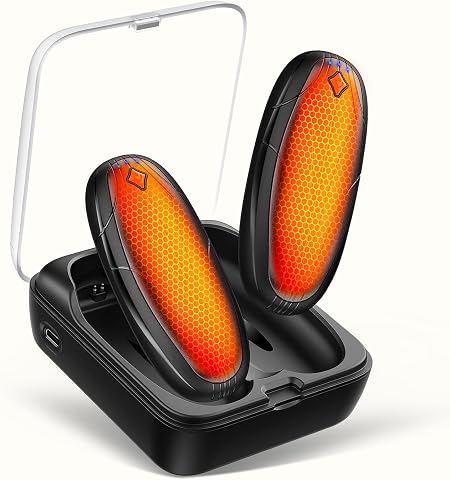
This set includes two ultra-thin, rechargeable hand warmers with a combined capacity of 14,000mAh, providing up to 10 hours of heat. Designed with ergonomic magnetic features and adjustable heat levels, they are ideal for outdoor activities like camping, hunting, and golfing, and come with a charging case for convenience.
Pros:
- Long-lasting battery life with 14,000mAh capacity
- Compact, ergonomic, and lightweight design
- Adjustable heat levels for personalized comfort
- Includes charging case for convenience
Cons:
- Battery runtime may vary with ambient temperature
- Limited color options
- Requires Type-C charging port
Best for: Reporters working outdoors in cold conditions
Not ideal for: Anyone who does not need a rechargeable hand warmer set
Bottom line: Check the stated runtime, charging method, and handling instructions before packing it.
Compact binoculars
Compact binoculars can help reporters observe activity at a distance without moving closer. The listed pick is the Nikon PROSTAFF P3 10×30 Waterproof Binoculars. Its name gives the magnification and objective-lens diameter, but fit and handling still depend on your needs. Consider how you will carry the binoculars, how quickly you need to bring them to your eyes, and whether their size works with your existing bag. Balance reach with steady handling for the way you expect to observe.
A common mistake is choosing magnification alone. Higher magnification can make it harder to hold a view steady, so consider whether 10x suits your usual observation distance and experience. Review the product specifications for field of view, dimensions, weight, focus controls, and eye relief, especially if you wear glasses. The name says waterproof; check the manufacturer’s details for the limits and care instructions. Try the fit with your eyewear and make sure the controls are comfortable to reach.
Think about how the binoculars will be protected and accessed while reporting. Check whether a case, strap, or other accessories are included rather than assuming they come with the product. Compare the binoculars’ weight and dimensions with your carry plan, then practice adjusting focus before relying on them during an assignment. Practice before field use so you can bring them up and focus without losing track of the scene.
What to look for:
- Magnification and field of view for your observation needs
- Dimensions and weight for comfortable carry
- Eye relief and fit with your glasses, if applicable
- Focus controls that are easy for you to use
- Waterproofing details and included accessories
Nikon PROSTAFF P3 10×30 Waterproof Binoculars

Compact, lightweight binoculars with 10x magnification, 30 mm objective lenses, and a wide 346 ft field of view at 1,000 yards. Multilayer-coated lenses, waterproof and fogproof construction, rubber armor, and adjustable eyecups support comfortable viewing in varied conditions.
Pros:
- Compact and lightweight for travel
- Waterproof and fogproof construction
- Wide field of view helps locate wildlife
- Adjustable eyecups and long eye relief support viewing with glasses
Cons:
- Not intended for underwater use
Best for: Reporters who need to observe activity from farther away
Not ideal for: Anyone who does not need binoculars in their reporting kit
Bottom line: Check comfort, field of view, and waterproofing details before taking them on assignment.
Build the kit in the order that addresses your most immediate reporting needs: first make credentials and note-taking easy to access, then consider how you will carry and protect your equipment. Add document scanning, hand warmers, or binoculars when those tools match the assignments you cover. Buy around your actual workflow and verify fit, power, and compatibility before ordering.
No single setup suits every beat or field condition. Start with the essentials you will use often, carry them on a routine day, and adjust your choices as your assignments change. A well-fitted kit supports focused reporting and makes it easier to keep attention on the work.
Halloween Picks

Spirit Halloween 54-Inch Sitting Scarecrow Animatronic

MGparty 14.5 ft Halloween Inflatable Walk-In Pumpkin House with LED Lights

12.5-Foot Lighted Halloween Inflatable Archway
As an affiliate, we earn on qualifying purchases.