

Neglecting to secure your household papers increases your risk of identity theft. Leaving sensitive documents like bills, bank statements, or IDs in accessible spots makes it easy for thieves to steal your information. Discarding these without shredding or storing them properly can allow others to piece your details together. Keeping an organized, locked system and being vigilant about document disposal can prevent vulnerabilities—if you want to uncover more tips, stay with us.

Get everyday essentials delivered free — and shop member deals
- Fast, free delivery on millions of items
- Access to Prime Big Deal Days deals on October 6–7
- Prime Video, Amazon Music and more included
Key Takeaways
- Leaving sensitive documents accessible or unshredded at home increases the risk of theft and identity misuse.
- Failing to store financial papers securely can allow household members or visitors to access confidential information.
- Discarding important documents in regular trash enables thieves to piece together personal data.
- Overlooking regular review of personal records can delay detection of unauthorized activities or suspicious transactions.
- Lack of household vigilance and poor document management practices create vulnerabilities to paper-based identity theft.
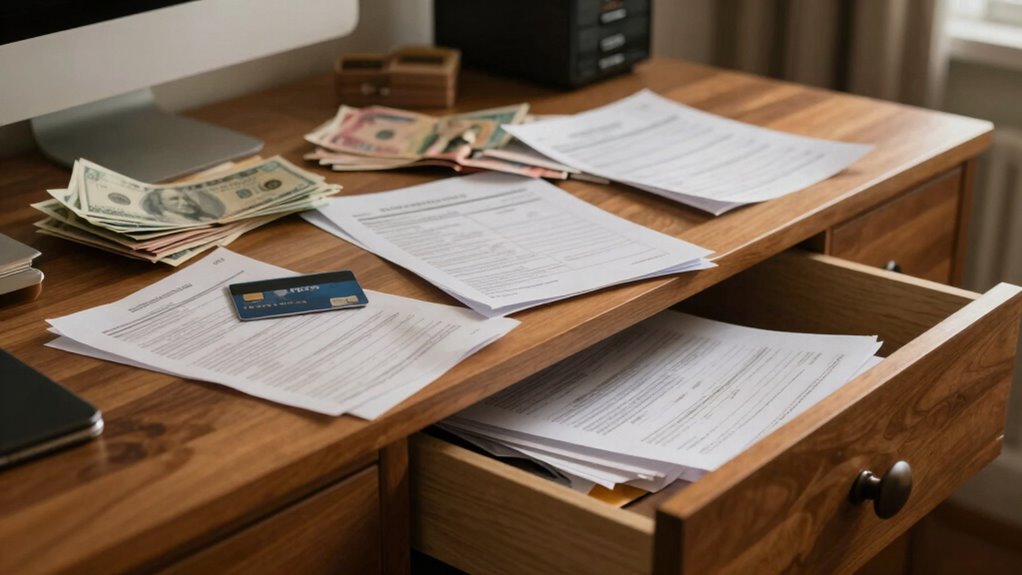
Identity theft isn’t just a problem that happens online or in public places; it can also occur right in your own home. Many people overlook how their everyday habits and household clutter can leave them vulnerable. Your digital footprints, including online accounts and digital records, are often protected with passwords and security questions, but the paper trail you leave at home can be just as revealing—and just as risky. If you’re not careful about how you handle your documents, you could unknowingly give thieves access to sensitive information that could be used to steal your identity.
Your paper trail at home can be just as risky as your online activity.
One of the biggest vulnerabilities is how you store your documents. If you keep financial statements, bills, or personal identification in easily accessible places, you’re creating an open invitation for someone to find and misuse that information. Instead, you should consider secure document storage options. A locked filing cabinet or a safe deposit box ensures that only you and trusted family members can access these important papers. This simple step considerably reduces the chance that someone in your household or a visitor can stumble upon your confidential information.
It’s also important to be mindful of the digital footprints you leave behind. Although digital data is often considered more secure, leaving paper copies of sensitive information around increases your risk. When you’re done with financial statements, shred them instead of just tossing them in the trash. This prevents anyone from piecing together your financial history or stealing your identity through discarded documents. Similarly, when you’re mailing sensitive documents, double-check that you’re using secure mailing options, and avoid leaving personal information in visible spots around the house.
Another common mistake is not reviewing your statements regularly. Routine checks allow you to catch any suspicious activity early. If you notice unfamiliar transactions or personal details you didn’t authorize, address them immediately. The sooner you act, the easier it is to minimize damage. Additionally, be cautious about how much personal information you share in your household. Even conversations about your finances or plans can be overheard and exploited.
Protecting yourself from identity theft at home requires vigilance and proactive measures. Secure document storage isn’t just about organizing; it’s about safeguarding your identity from the paper mistakes that can turn your home into a vulnerability. Your digital footprints may be hidden behind passwords, but your paper trail can be a clear path for thieves—unless you take steps to lock it down. Keep your sensitive papers out of sight, shred what you don’t need, and review your records regularly. Developing a secure document management routine helps ensure your home remains a safe space, not a target for identity theft. Taking these precautions helps ensure your home remains a safe space, not a target for identity theft.
fireproof lockable document safe
As an affiliate, we earn on qualifying purchases.
As an affiliate, we earn on qualifying purchases.
Frequently Asked Questions
How Often Do Identity Theft Incidents Occur at Home?
You might be surprised, but identity theft incidents at home happen quite often—almost daily. Digital scams and financial fraud are common threats that target your personal information, especially if you leave paper documents unsecured. By neglecting to shred sensitive papers or monitor your accounts, you increase your vulnerability. Stay vigilant, regularly check your bank statements, and be cautious with digital scams to protect yourself from becoming a victim.
What Are the Signs of Paper-Related Identity Theft?
When it comes to paper-related identity theft, you’ll notice signs like unexpected bills, unfamiliar accounts, or errors on your credit report. These are clues that financial fraud might be underway. Keep an eye on digital alerts for suspicious activity, and regularly review your statements and documents. If something seems off, don’t ignore it—catching the signs early can make all the difference in protecting your identity.
Can Small Paper Mistakes Lead to Significant Identity Theft?
Yes, small paper mistakes can lead to significant identity theft. Leaving sensitive documents unshredded or misplaced exposes your personal info, risking unauthorized access. To protect yourself, improve your digital security and practice financial awareness, like regularly reviewing statements and securely disposing of papers. These small steps help prevent thieves from exploiting your paper mistakes and keep your identity safe from serious threats.
How Can I Secure My Personal Documents Effectively?
Think of your personal documents like precious scrolls—protect them with diligent shredding practices to prevent thieves from piecing together your info. You should also enhance your digital security by using strong passwords and enabling two-factor authentication. Keep sensitive papers in a locked fireproof box, and shred outdated or unnecessary documents. Regularly reviewing your document security helps you stay one step ahead of identity thieves lurking in the shadows.
What Legal Steps Should I Take if I Suspect Identity Theft?
If you suspect identity theft, you should act quickly by reporting it to the Federal Trade Commission using their reporting procedures. You can also file a police report to document the crime, which offers legal remedies for recovery. Contact your bank and credit bureaus to freeze or monitor your accounts. These steps help protect your rights, initiate investigations, and ensure you have the necessary documentation for legal action.
Conclusion
In the end, small paper mistakes are like open windows to thieves lurking nearby. Just last year, a friend left a stack of unshredded documents, and her identity was stolen within weeks. Think of your personal info as precious cargo—leave it exposed, and someone might hijack your journey. Stay vigilant, shred what you don’t need, and keep those windows tightly shut. Protecting your identity is the key to staying safe at home.
Fall Picks
fall essentials
As an affiliate, we earn on qualifying purchases.