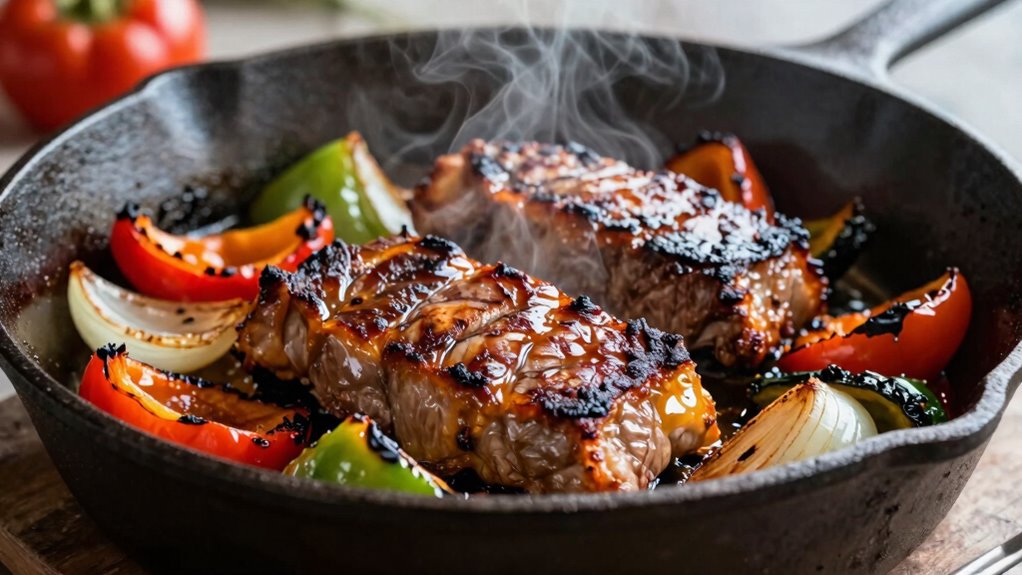

Browning is your shortcut to better flavor because it triggers chemical reactions like the Maillard reaction and caramelization, which develop rich, complex tastes and appealing aromas. These processes quickly transform simple ingredients into savory, roasted, and nutty flavors, making dishes more inviting. By controlling temperature and cooking time, you can maximize these reactions for perfect results. If you keep exploring, you’ll discover how mastering browning techniques can elevate your cooking even further.

Get everyday essentials delivered free with Prime
- Fast, free delivery on millions of items
- Prime Video, Amazon Music and more included
- Member-only deals all year
Key Takeaways
- Browning triggers chemical reactions like the Maillard reaction and caramelization, creating richer, more complex flavors.
- It enhances aroma and visual appeal, making dishes more appetizing and inviting.
- Proper temperature control during browning maximizes flavor development without overcooking.
- Combining browning techniques layers flavors, elevating the overall taste profile efficiently.
- Browning transforms simple ingredients into savory, roasted, and nutty-flavored dishes quickly and effectively.
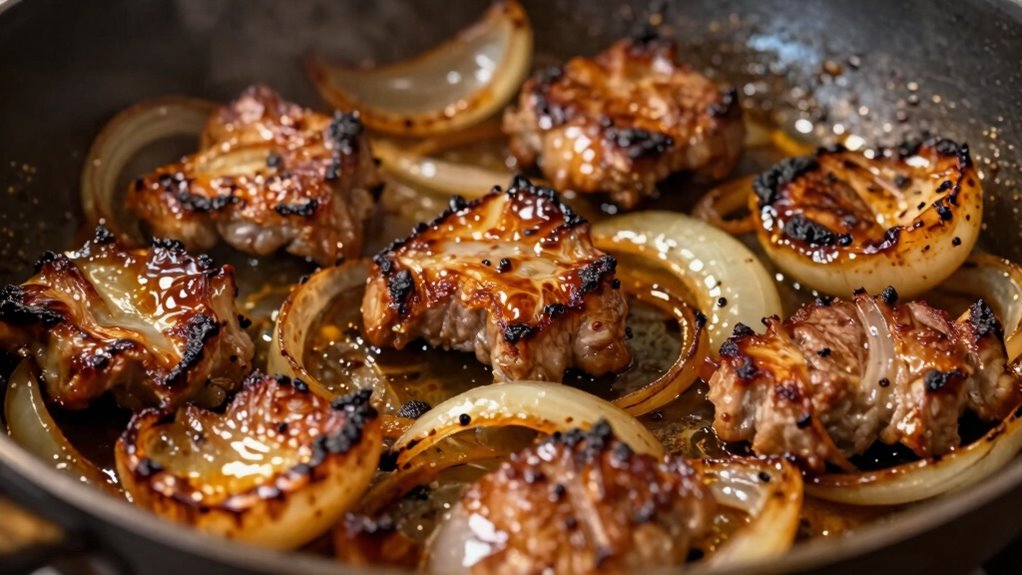
Have you ever wondered why some dishes taste richer and more complex? The secret often lies in a process called browning, which enhances flavors in ways that raw ingredients simply can’t match. When you cook foods to a golden-brown or darker hue, you’re triggering chemical reactions that develop new, more appealing tastes. Two of the key processes behind this transformation are the Maillard reaction and caramelization process. Understanding these can help you unlock incredible flavor in your cooking, turning simple ingredients into something extraordinary. The Maillard reaction is a complex chemical process that occurs when proteins and sugars in food are heated together. It’s responsible for the savory, roasted, and nutty flavors you associate with browned meats, toasted bread, and roasted coffee. When you sear a steak or toast bread, you’re encouraging this reaction to happen rapidly, creating a depth of flavor that raw or boiled foods lack. The Maillard reaction doesn’t just add taste; it also develops a rich aroma that makes your dish more appetizing. To maximize this effect, you want to cook at a high enough temperature and give the food enough time to develop that beautiful brown crust. Additionally, controlling the temperature and cooking time can significantly influence the extent of browning and flavor development. Proper temperature control is essential for achieving the perfect balance between flavor and texture. Recognizing the importance of chemical reactions like these can help you understand why certain cooking techniques produce such flavorful results. It’s also helpful to understand that browning is an example of how heat-induced chemical changes transform simple ingredients into more flavorful ones. Alongside the Maillard reaction, the caramelization process plays a crucial role in flavor development. Caramelization occurs when sugars are heated to a point where they break down and form new compounds, resulting in that characteristic sweet, nutty, and slightly bitter flavor. Think of caramelizing onions or browning sugar for a dessert—these processes deepen the flavor profile and add complexity to your dishes. Both reactions are about transforming simple ingredients into more flavorful ones through heat, but they activate different chemical pathways. When you combine these processes properly—such as searing meat with caramelized onions—you amplify the overall taste experience, creating layers of flavor that excite the palate. Browning isn’t just about aesthetics; it’s a shortcut to better flavor that you can leverage in many recipes. By understanding how the Maillard reaction and caramelization process work, you can tailor your cooking techniques to produce richer, more appealing dishes. Whether you’re roasting vegetables, frying meat, or simmering stews, giving your food that golden-brown finish makes a significant difference. It’s a simple step that unlocks complex flavors, elevating your cooking from ordinary to extraordinary. So next time you’re in the kitchen, remember: a little browning goes a long way in delivering the depth and richness your dishes deserve.
Popular right now

Bose QuietComfort True Wireless Earbuds with Active Noise Cancellation, Black

Apple AirPods Max 2 Wireless Over-Ear Headphones – Midnight

Ninja Foodi Dual Zone Smart XL Air Fryer, 10 Qt, 6-in-1, Black (DZ550)
As an affiliate, we earn on qualifying purchases.
Frequently Asked Questions
Does Browning Affect the Nutritional Value of Food?
Browning can slightly affect the nutritional value of food by causing nutrient degradation and antioxidant loss. When food browns, especially through high-heat methods, some sensitive nutrients like vitamins may break down or diminish. However, the flavor and overall enjoyment often outweigh the minor nutrient loss. To preserve nutrients, try to control browning processes, but don’t worry too much – the enhanced flavor usually makes it worth it.
Can Browning Be Achieved With Alternative Cooking Methods?
Imagine the rich, golden crust that forms on your steak, sealing in juices and flavor. You can achieve browning using alternative methods like sous vide, which tenderizes first, then searing to develop that perfect crust, or microwave cooking, where a quick burst can create a slight caramelization. These methods offer different textures and flavors, letting you enjoy that desirable browned effect without traditional pan-frying or grilling.
How Does Browning Influence Food Texture?
Browning influences food texture by creating a firmer, more complex surface through the Maillard reaction and caramelization process. When you brown food, you develop a crust that adds a pleasant crunch or chewiness, depending on the dish. This process also causes moisture loss, making the interior denser. As a result, browning enhances not just flavor but also the overall mouthfeel, delivering a richer, more satisfying texture.
Is Browning Safe for All Dietary Restrictions?
Is browning safe for all dietary restrictions? It depends. You should consider allergy considerations, as some browning agents or ingredients might trigger allergies. Vegans can often find suitable alternatives, like plant-based browning methods or natural caramelization, but always check labels and ingredients. If you’re unsure, consult with a healthcare professional or opt for naturally browned foods without additives. This way, you enjoy flavor without risking your health or dietary needs.
What Are Common Mistakes to Avoid When Browning?
To avoid common mistakes when browning, you should watch your temperature and avoid overcrowding the pan. Using high heat can burn the food, ruining flavor, so cook in batches if needed. Stirring too often prevents proper Maillard reaction, which is key for flavor enhancement. Patience is essential—let the food develop a deep, golden crust before turning. These cooking tips help you achieve better flavor and perfect browning every time.
Conclusion
When you see that golden-brown crust forming, it’s more than just a pretty color—it’s a gateway to richer, deeper flavors. Imagine the sizzle and aroma filling your kitchen, each minute of browning revealing layers of savory goodness. That crispy exterior isn’t just a texture; it’s a flavor explosion waiting to happen. So next time you cook, embrace the browning process. It’s your shortcut to meals bursting with aroma, depth, and unforgettable taste.