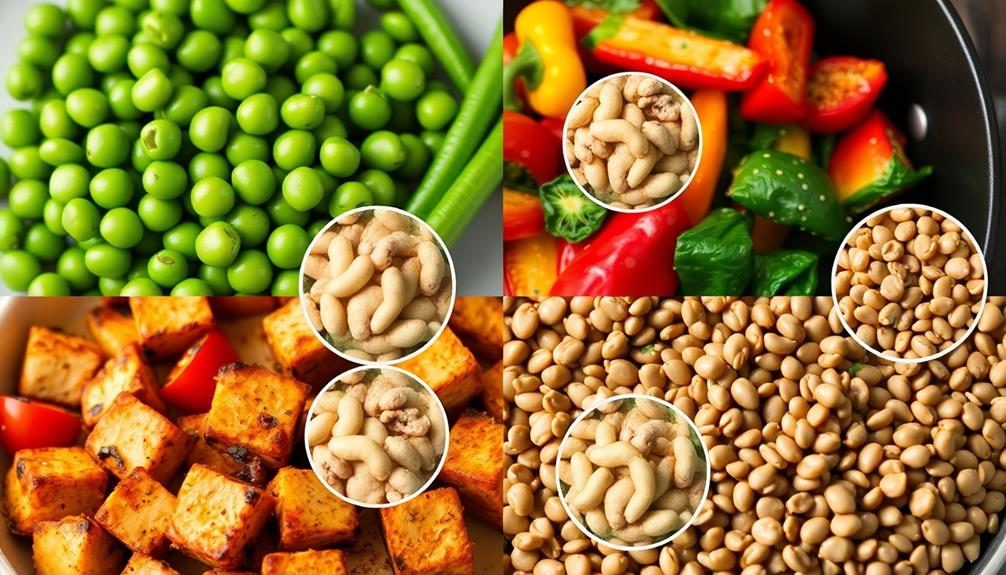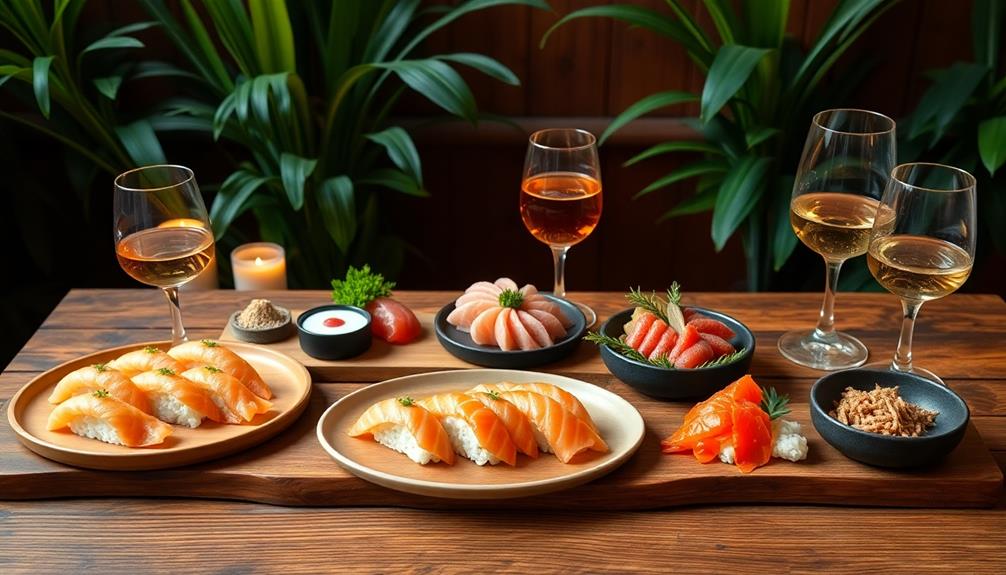

The science of perfect food and sake pairing lies in understanding sake's unique characteristics. Sake, made from polished rice and koji mold, has diverse flavor profiles, from fruity to earthy. You'll find its low acidity and high amino acid content complement umami-rich dishes beautifully. Experimenting with the Sake Meter Value (SMV) helps you discover the right balance—sweet sakes work wonders with spicy foods, while dry ones fit lighter dishes. Sake's versatility also shines across various global cuisines. As you explore combinations and serving temperatures, you'll reveal new flavor experiences waiting to be savored.

Get everyday essentials delivered free with Prime
- Fast, free delivery on millions of items
- Prime Video, Amazon Music and more included
- Member-only deals all year
Key Takeaways
- Sake's flavor profiles range from fruity to earthy, influenced by rice polishing and fermentation methods.
- Pairing sake with umami-rich foods enhances depth due to its high amino acid content.
- The Sake Meter Value (SMV) helps identify sweetness levels, guiding pairing with spicy or light dishes.
- Serving temperature alters sake's flavor experience, with chilled versions highlighting fruitiness and warm versions enhancing richness.
- Experimenting with non-traditional pairings, like barbecue or Italian cuisine, can lead to delightful discoveries.
As an affiliate, we earn on qualifying purchases.
Understanding Sake Characteristics
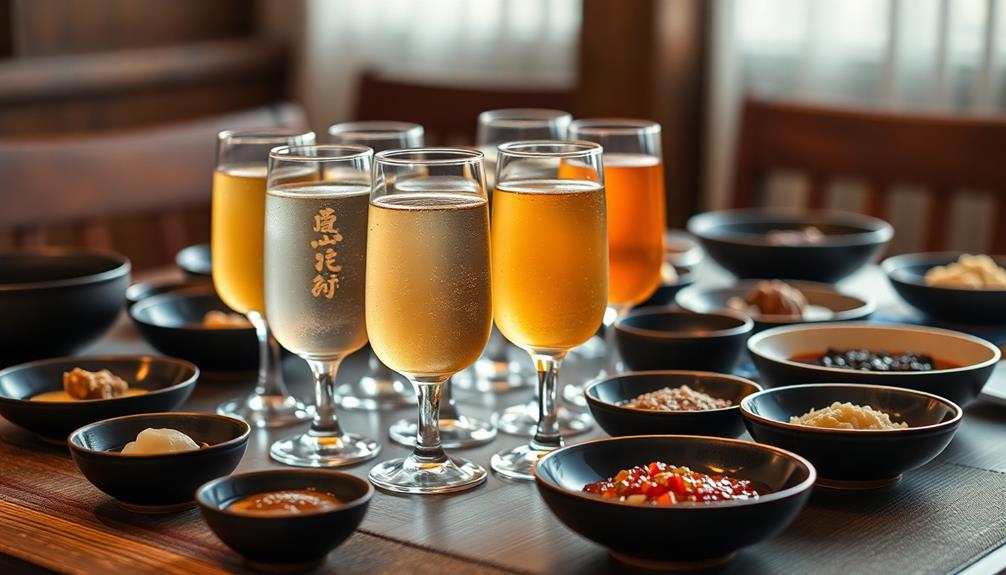
Understanding the unique characteristics of sake can enhance your appreciation for this traditional Japanese beverage. Sake, or Nihonshu, is crafted primarily from polished rice, water, koji mold, and yeast. The polishing process removes outer layers of rice, increasing the starch concentration vital for fermentation.
The fermentation process itself is fascinating; it's called multiple parallel fermentation, where starch converts to sugar and then to alcohol simultaneously. The complex flavors of sake can beautifully complement various traditional dishes, such as Dorayaki (Red Bean Pancake), highlighting the harmonious balance of sweetness and umami.
Sake's flavor profile can vary considerably, showcasing different types that range from fruity and floral to nutty and earthy. The quality of water used in brewing plays an essential role in taste, with high-quality mountain spring water being preferred for its purity and mineral content.
For instance, Junmai Daiginjo, one of the premium types, exemplifies this complexity, often expressing rich umami and amino acids that contribute to its depth.
When it comes to serving temperature, it can also impact the flavor experience. Enjoying sake at different temperatures can reveal new nuances in its aroma and taste, making it a versatile choice for various food pairings.
Understanding these elements sets the stage for a truly enriching sake experience.
Key Elements of Pairing
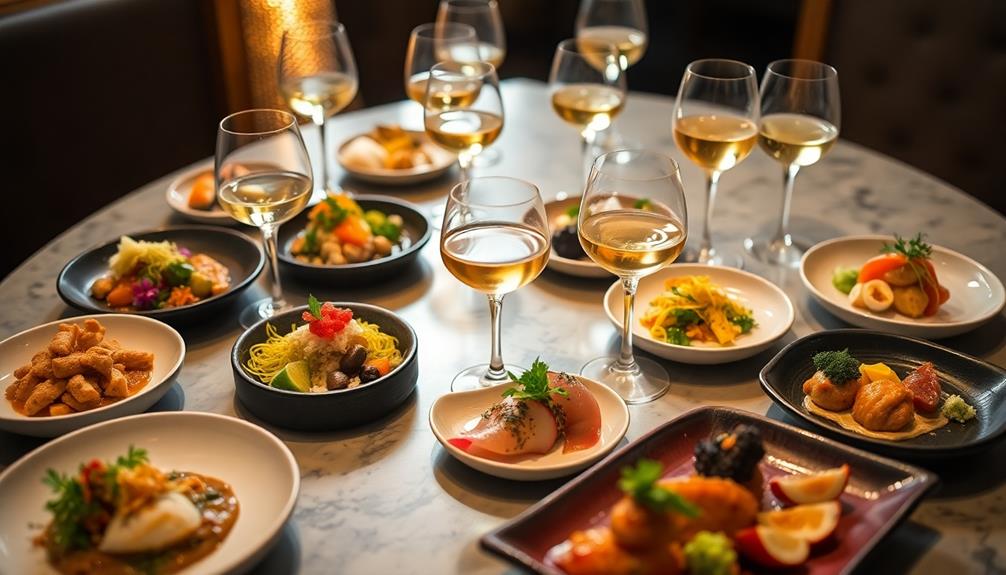
Successful sake pairing hinges on recognizing key elements that enhance both the beverage and the dish. First, consider the acidity levels in sake, which are typically lower than those in wine. This makes sake versatile, allowing it to complement various food types, especially savory dishes rich in umami.
For instance, dishes like Red-Braised Pork Belly showcase the depth of umami flavors that can pair beautifully with different sake varieties. The unique flavor profile of sake, boosted by its higher amino acid content, works beautifully with umami-rich foods such as meats and fermented products.
Next, keep an eye on sweetness. The Sake Meter Value (SMV) indicates the sake's sweetness level, ranging from -10 (sweet) to +10 (dry). Pairing sweeter sakes with spicy dishes can balance heat and elevate the overall flavor experience, while dry sakes shine with lighter fare.
Lastly, don't underestimate temperature. Serving sake chilled or warmed can dramatically alter its flavor profile, impacting your dining experience.
Exploring Umami in Sake
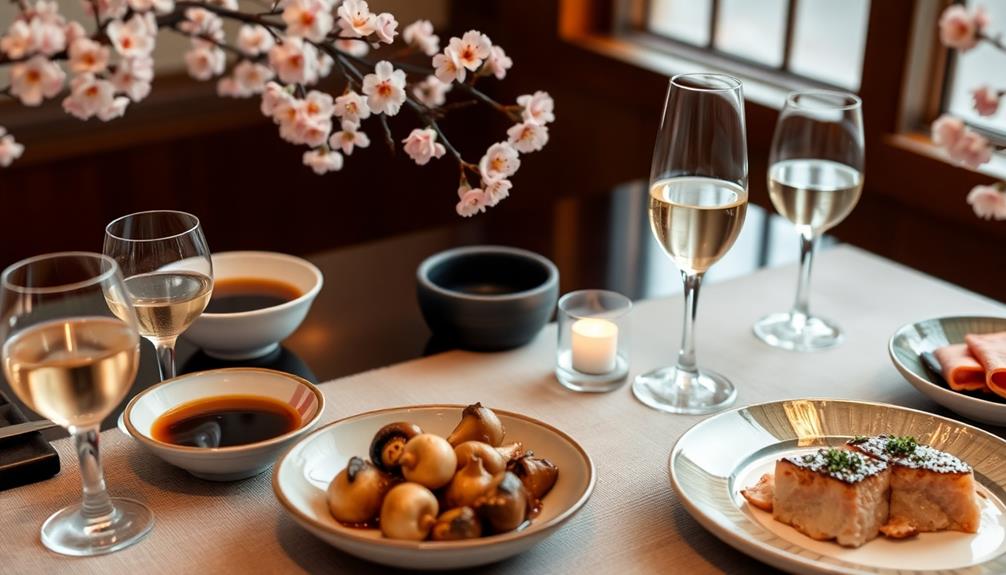
Umami plays a pivotal role in elevating the experience of sake, making it a standout choice for pairing with savory dishes. This fifth basic taste, primarily linked to glutamic acid, is abundant in sake, with levels ranging from 100 to 250 mg/l—significantly higher than in wine or beer.
The koji fermentation process used in sake production enhances this umami richness, transforming rice starch into amino acids, which contributes to its complex flavor profile. Pairing sake with umami-rich Indian dishes, such as Mushroom Masala, can create a delightful culinary experience that highlights the earthy flavors of mushrooms while complementing the sake's depth.
When you enjoy umami-rich dishes, like ripe tomatoes, soy sauce, or mushrooms, you'll find they complement sake beautifully, creating a harmonious taste experience. This synergy is key to successful sake pairing, as sake's higher glutamic acid content makes it especially suited for such flavorful foods.
In Japanese restaurants, you'll often see sake chosen to enhance the savory taste of various dishes, showcasing how umami can elevate both food and sake.
Recent culinary trends emphasize the importance of umami in pairings, encouraging you to explore the deeper dimensions of flavor. By appreciating sake's unique umami characteristics, you can create memorable dining experiences that celebrate the richness of both food and drink.
Sake and Global Cuisine
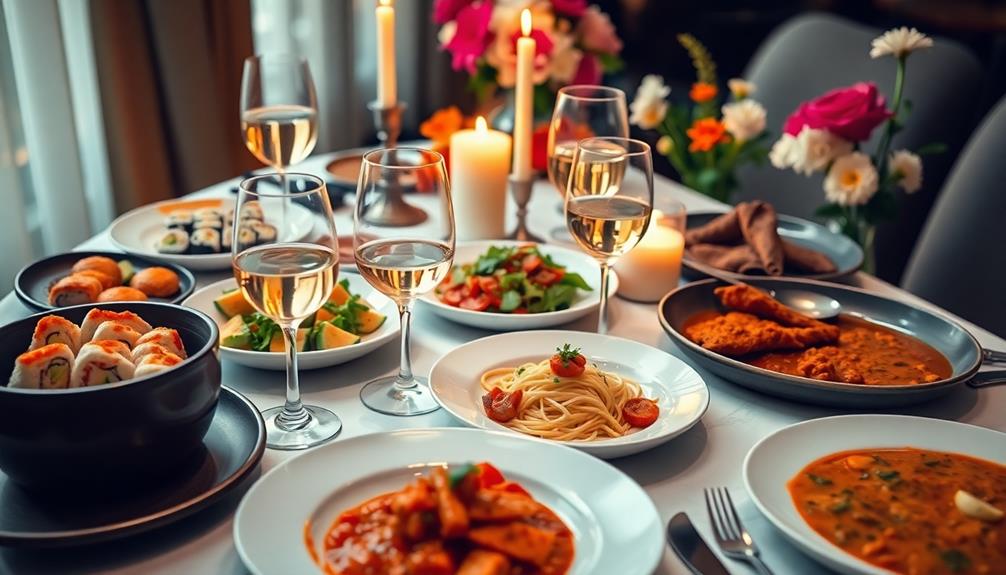
Sake's remarkable versatility opens the door to exciting pairings with global cuisines, allowing you to explore flavors beyond its traditional Japanese origins.
For instance, when you enjoy sweet and savory Korean kalbi short ribs, a well-chosen sake can enhance their rich flavors, beautifully harmonizing with the dish. Similarly, unfiltered nigori sake effectively balances the heat and spices of Thai dishes like Pad Thai and green curry, making it an ideal companion for those complex and rich flavors.
In addition, the use of spices and herbs in Brazilian cuisine, such as garlic and cilantro, can be beautifully complemented by a crisp sake, enhancing the overall dining experience. Dishes like Caldeirada can shine when paired with a sake that brings out the dish's seafood flavors.
Sake pairs exceptionally well with foods high in umami, such as ripe tomatoes and mushrooms, amplifying the overall taste experience.
If you're indulging in Spanish tapas or paella, look for specific sakes like Miyasaka Brewery's Yawaraka Junmai, which elevates umami without overpowering the dish's key ingredients.
When you opt for a sweet sake, it can complement desserts or spicy dishes, providing a delightful contrast.
Additionally, sakes that have been fermented longer often bring out more depth and richness, allowing for a broader range of pairing food options.
Embrace the versatility of sake as you immerse yourself in the flavors of global cuisines!
Practical Pairing Recommendations
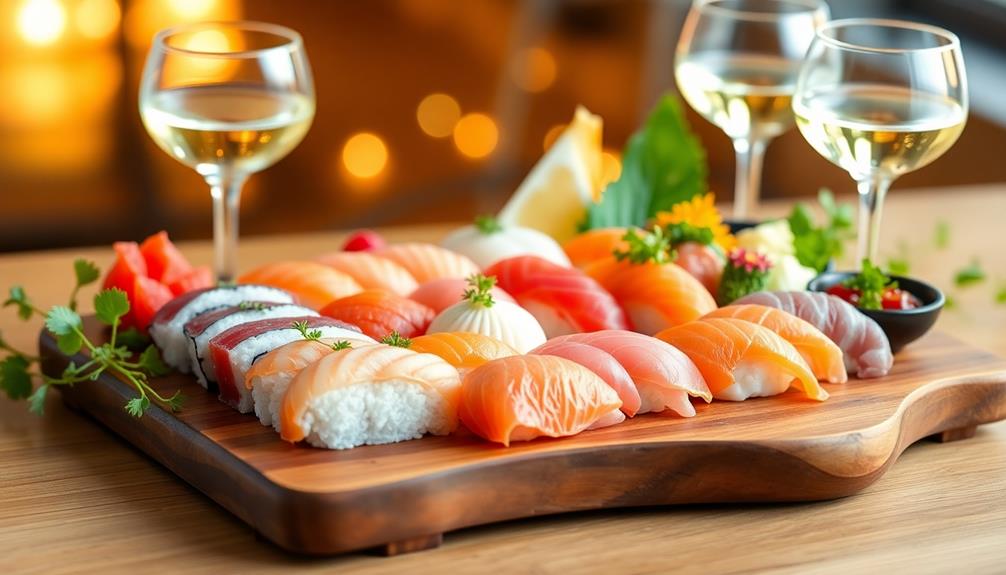
Exploring the world of sake pairing can greatly elevate your dining experience. To achieve the perfect balance, consider the following recommendations:
| Food Type | Sake Type | Flavor Notes |
|---|---|---|
| Umami-rich foods | Junmai sake | Robust profile enhances savory depth |
| Light seafood dishes | Ginjo sakes | Complements delicate flavors |
| Spicy Thai or Indian dishes | Sweet sakes | Balances heat with sweetness |
For umami-rich foods like ripe tomatoes and mushrooms, pairing them with glutamic-rich sakes creates a delightful flavor synergy. When you're enjoying hearty dishes, Junmai sake's full-flavored character pairs beautifully with beef or fried foods. In contrast, Ginjo or Daiginjo sakes work best with lighter fare such as seafood and chicken.
If you're indulging in spicy cuisines, sweet sakes with an SMV of -10 to 0 will effectively mellow the heat. For a revitalizing twist, try Sparkling Sake with appetizers. Finally, when it comes to desserts, opt for sweet sakes like Nigori, which harmonize wonderfully with dishes featuring nuts and savory ingredients. Enjoy experimenting with these pairings!
Experimenting With Flavor Combinations
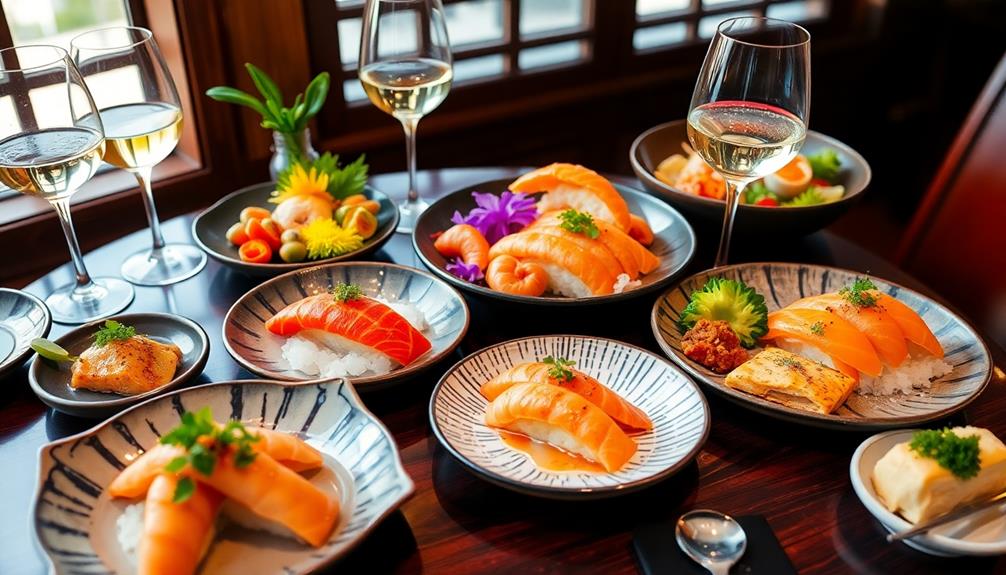
While traditional pairings provide a solid foundation, venturing beyond conventional boundaries can reveal exciting new flavor combinations. Engaging in sake pairing experimentation allows you to discover unique taste synergies.
For instance, pair glutamic-rich sakes with umami-heavy dishes like aged cheeses or mushrooms to enhance those savory notes. You might also consider pairing sake with vibrant Mexican dishes like Chilaquiles to explore how their bold flavors interact.
Utilizing the Sake Meter Value (SMV) as a guide can refine your choices. Sweet sakes (SMV around -10) complement spicy dishes beautifully, while drier options (SMV +10) balance out rich flavors effectively.
Don't shy away from trying sake at various serving temperatures; chilled sake brings out fruity characteristics, whereas warm sake enhances those comforting, rich flavors.
Personal experimentation is key. Why not try sake with barbecue or Italian cuisine? These non-traditional pairings can expand your culinary horizons and elevate your overall dining experience.
The joy of sake pairing lies in the journey of exploration, so embrace the process. By blending different flavors and styles, you'll not only discover what pleases your palate but also deepen your appreciation for both sake and food.
Frequently Asked Questions
How to Pair Food With Sake?
To pair food with sake, consider its acidity and sweetness. Match rich dishes with higher acidity sakes and lighter meals with lower acidity. Experiment with serving temperatures to enhance flavors and create a balanced dining experience.
What Food Matches Sake?
When you think sake, don't just picture sushi. Try pairing it with rich beef dishes or spicy Thai food. Explore umami-rich options like mushrooms and ripe tomatoes to discover flavors that truly elevate your dining experience.
What Is the Meaning of Sake Pairing?
Sake pairing means selecting the right sake to enhance your meal's flavors. It balances the drink's characteristics with the dish, creating a harmonious experience that elevates both the food and the sake you enjoy.
What Is the Best Snack to Eat With Sake?
When you're enjoying sake, consider umami-rich snacks like aged cheeses or cured meats. Salty snacks, like pretzels, also enhance the drink. Lightly fried foods create a delightful balance, making them perfect companions for your sake.
Conclusion
In the world of food and sake pairing, the possibilities are endless. By understanding the unique characteristics of sake and its umami profile, you can elevate your dining experience. Why settle for ordinary when you can explore bold flavor combinations that surprise and delight? Whether you're enjoying Japanese cuisine or global dishes, remember to experiment and trust your palate. With a little creativity, you'll find the perfect harmony between food and sake that truly satisfies.
Fall Picks
fall essentials
As an affiliate, we earn on qualifying purchases.