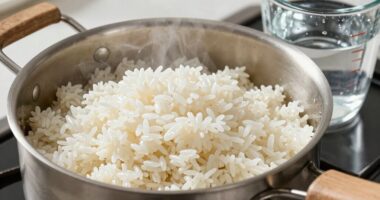
Focusing on small, intentional prep decisions can save you a lot of time later. Planning your meals the night before reduces decision fatigue and speeds up your evenings. Organizing your workspace with designated spots for essentials helps you find things quickly and keeps distractions at bay. Preparing ingredients in advance streamlines cooking, while tidying up regularly guarantees a clutter-free environment. Keep these habits in mind, and you’ll build routines that make daily tasks easier—there’s more to discover if you keep going.

Get everyday essentials delivered free with Prime
- Fast, free delivery on millions of items
- Prime Video, Amazon Music and more included
- Member-only deals all year
Key Takeaways
- Preparing ingredients in advance reduces cooking time and mental clutter during busy days.
- Planning meals the night before eliminates decision fatigue and streamlines daily routines.
- Keeping a tidy workspace minimizes search time and distractions, enhancing overall efficiency.
- Establishing small daily habits creates lasting productivity and prevents overwhelm.
- Consistently organizing tools and spaces frees mental capacity for important tasks and decision-making.
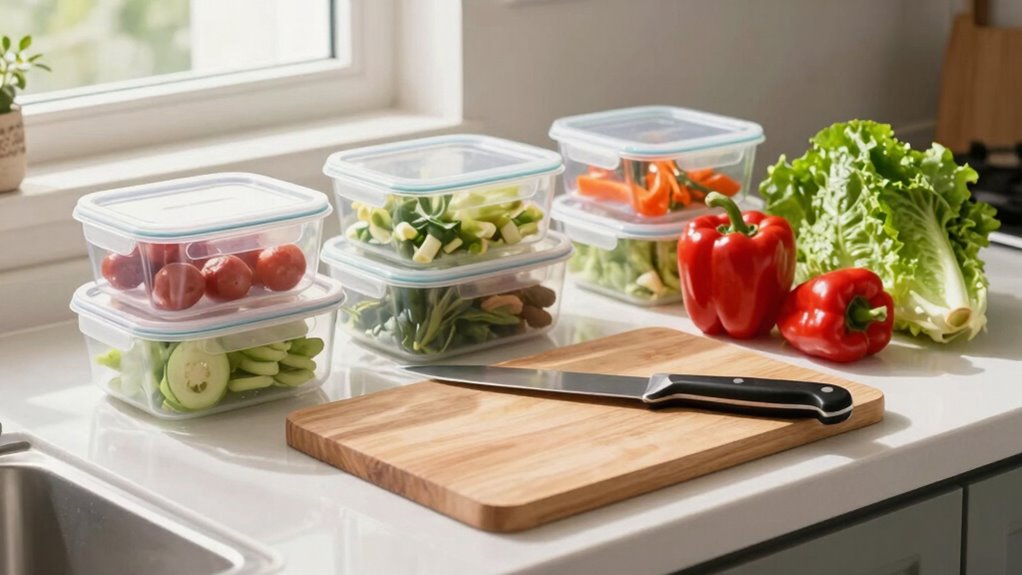
Small decisions made early in your day can have a huge impact on how smoothly everything runs later on. One of the most effective ways to set yourself up for success is by tackling meal planning in advance. When you decide what to eat for breakfast, lunch, and dinner the night before, you eliminate the stress of last-minute decisions. This not only saves time but also helps you make healthier choices and reduces the chances of impulsive, less nutritious options. Preparing ingredients ahead of time, like chopping vegetables or portioning snacks, streamlines your mealtime routine and keeps you from scrambling when hunger strikes. These small prep steps might seem trivial, but they markedly cut down on cooking time and mental clutter during busy days. Additionally, meal prep strategies can help you stay consistent and organized, making your daily routines more efficient. Establishing a routine that incorporates these small steps can turn them into lasting habits that boost your overall productivity. Incorporating these habits into your daily schedule can also reduce decision fatigue**, allowing you to focus more energy on important tasks. Equally important is workspace organization. When you start your day with a tidy, well-arranged workspace, you set a tone of efficiency. Spend a few minutes each evening or morning tidying your desk, putting away clutter, and creating a designated spot for essential tools. When everything has a specific place, you waste less time searching for items and can jump straight into your tasks. This small habit reduces interruptions and keeps your focus sharp, especially when juggling multiple responsibilities. A well-organized workspace also prevents you from feeling overwhelmed by clutter, which can slow down your productivity and create unnecessary stress. By making this tiny decision to maintain order, you’re fundamentally creating a more streamlined environment where work flows smoothly. Consistent organization habits can also help you adapt more quickly to unexpected changes in your schedule. Incorporating workspace organization with meal planning can have compounding benefits. For instance, if you prepare your meals and organize your work area in harmony, you’ll find yourself with more mental space and time**. You won’t waste energy on decision fatigue or cleaning up chaos, freeing you to concentrate on what truly matters. These small, intentional choices early in your day act as a foundation for a more productive, less stressful routine. Over time, they become habits that save you hours, prevent frustration, and help you stay on top of your responsibilities without feeling overwhelmed. In the end, it’s these tiny prep decisions—whether about what you eat or how you organize—that lead to big wins in your daily life.
Popular right now

KitchenAid Artisan 5-Qt Tilt-Head Stand Mixer – Dried Rose (KSM150PS)

Ninja NC501 CREAMi XL Deluxe 11-in-1 Ice Cream and Frozen Treat Maker

KitchenAid Classic Series 4.5-Quart Tilt-Head Stand Mixer, Onyx Black
As an affiliate, we earn on qualifying purchases.
Frequently Asked Questions
How Do I Identify Which Prep Decisions Will Save the Most Time?
To identify prep decisions that save time, focus on streamlining routines like meal planning and task batching. Look for repetitive tasks that can be grouped together, such as prepping ingredients or batching errands. Prioritize activities that reduce decision fatigue and prevent multitasking. By analyzing your schedule, notice where small adjustments—like prepping meals for the week—can eliminate daily delays, ultimately freeing up more time for important priorities.
Are There Common Prep Mistakes That Waste More Time Later?
Did you know that 80% of wasted time comes from small, avoidable mistakes? Common prep mistakes that waste more time later include neglecting meal planning, which leads to last-minute decisions, and poor workspace organization, causing constant searching for items. You can save hours by prepping meals in advance and keeping your workspace tidy. These small changes prevent chaos and streamline your day, making everything run smoother.
How Often Should I Review and Adjust My Prep Routines?
You should review and adjust your prep routines weekly. During these reviews, consider your meal planning and exercise scheduling to guarantee they fit your current schedule and goals. Regular check-ins help identify inefficiencies and prevent last-minute scrambling. By actively refining your routines, you save time in the long run, reduce stress, and stay on track with your health and daily tasks. Consistent adjustments make your prep more effective and sustainable.
What Tools Can Help Automate Small Prep Tasks?
You can automate small prep tasks using tools like meal planning apps, which streamline grocery lists and menus. Digital organization platforms like Trello or Evernote help schedule and track prep routines effortlessly. These tools minimize manual effort, allowing you to focus on more important tasks. With automation, your meal planning becomes smoother, and your overall prep process gets more efficient, saving you time and reducing stress in the long run.
Can Tiny Prep Decisions Improve Overall Productivity Beyond Time Savings?
Yes, tiny prep decisions can boost your overall productivity by fostering better habit formation and reducing decision fatigue. When you make small, consistent choices in advance, you free mental energy for more important tasks later. Over time, these habits become automatic, making your workflow smoother. This process helps you stay focused, avoid burnout, and achieve goals more efficiently, proving that tiny decisions really add up to significant productivity gains.
Conclusion
Think of your daily prep as planting seeds in a garden. The small choices you make—like organizing your tools or setting out clothes—are like watering and tending those seeds. When the time comes to harvest, you’re rewarded with a bountiful crop of saved minutes and less stress. These tiny decisions may seem insignificant now, but they cultivate a smoother, more efficient routine, turning everyday chaos into a well-tended garden of productivity.