
Your pan size matters more than most recipes admit because it directly impacts how evenly your food cooks and how the final dish turns out. Using the wrong size can throw off ingredient ratios, cause uneven baking, and alter cooking times. Larger pans spread ingredients thin, risking overbaking outside and undercooking inside, while smaller pans can lead to burnt edges. Understanding these effects helps you achieve better results—if you keep exploring, you’ll discover how to master the perfect bake every time.

Get everyday essentials delivered free with Prime
- Fast, free delivery on millions of items
- Prime Video, Amazon Music and more included
- Member-only deals all year
Key Takeaways
- Incorrect pan size disrupts ingredient ratios, leading to poor texture and appearance.
- Pan size influences heat distribution, affecting baking time and evenness.
- Using the wrong size can cause overbaking edges or undercooking centers.
- Adjusting temperature and time is essential when changing pan size for optimal results.
- Measuring and selecting proper pans ensures recipe accuracy and professional-quality outcomes.
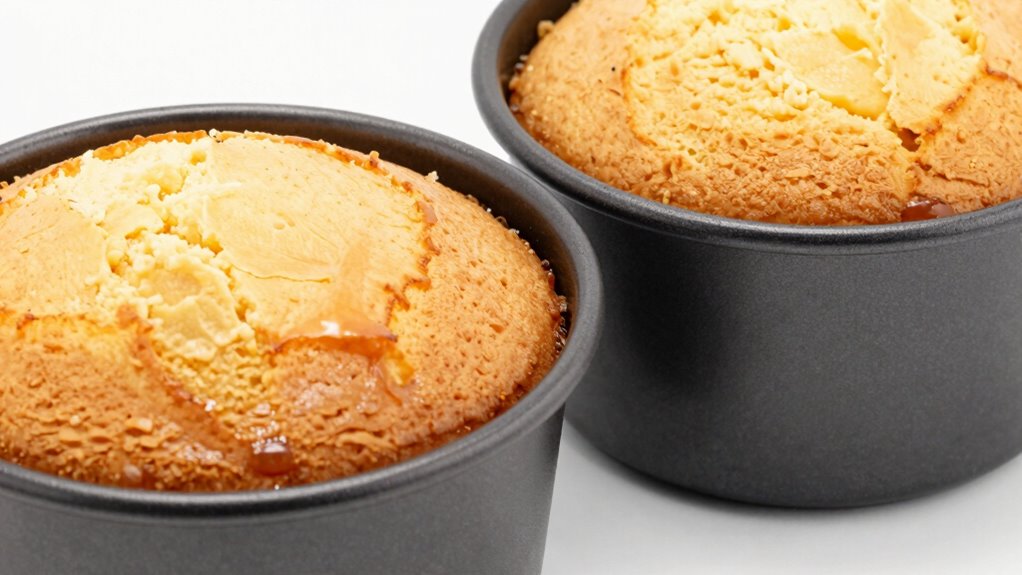
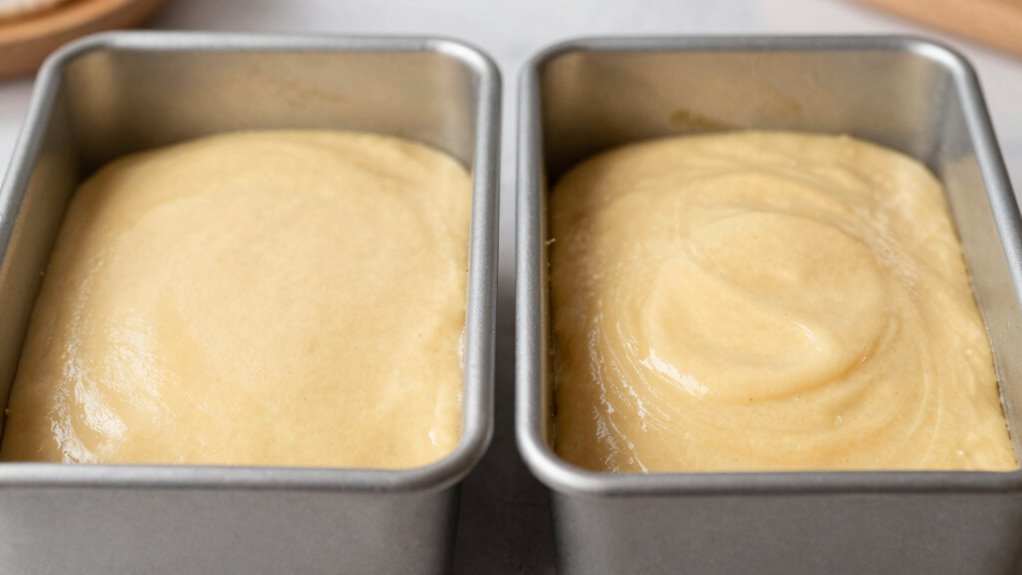
Choosing the right pan size can make all the difference in your cooking. When you select a pan that’s too small or too large, it throws off the balance of your recipe, especially when it comes to baking. For example, the baking temperature you set might be just right for a specific pan size, but if the pan doesn’t match the recipe’s recommendations, your baked goods won’t turn out as intended. A larger pan spreads ingredients thinner, which can cause the outside to overbake while the inside remains undercooked. Conversely, a smaller pan concentrates the ingredients, potentially leading to burnt edges or uneven cooking. So, paying attention to pan size isn’t just about aesthetics; it directly influences how your food cooks and turns out. Understanding the relationship between pan size and ingredient ratios** helps ensure consistent results. Ingredient ratios are also tightly linked to pan size. Recipes are often tested with specific pan dimensions, and the ingredient ratios are calibrated accordingly. When you switch to a different size, those ratios no longer hold. For instance, if a cake recipe calls for a 9-inch round pan but you use a 12-inch pan instead, the batter will be too thin to develop the proper structure, resulting in a flat, dense cake. The same principle applies to casseroles, brownies, and other baked goods—altering the pan size without adjusting the ingredient ratios can lead to under- or over-baked results. This is why understanding the relationship between pan size and ingredient ratios is crucial for replicating professional-quality results at home. Additionally, pan material properties can impact heat conduction and baking times, making the choice of pan even more significant. Selecting the appropriate pan material can help achieve more even heat distribution, reducing the risk of hot spots. In fact, material properties also influence how quickly a pan heats up and cools down, affecting baking consistency. Moreover, considering pan dimensions and how they relate to the recipe’s intended size can help you better adapt your baking process. Recognizing these subtle differences helps you maintain control over the final product, giving you more consistent, delicious results. Furthermore, the baking temperature may need adjustment depending on the pan size. A larger pan with more surface area may require a slightly lower temperature or longer baking time to prevent burning or uneven cooking. Conversely, a smaller pan can heat up faster, requiring you to keep a close eye to avoid overbaking. Recognizing these subtle differences helps you maintain control over the final product, giving you more consistent, delicious results. The key is to measure your pans carefully and compare their dimensions with standard sizes used in recipes. Once you understand how your pans influence baking temperature and ingredient ratios, you gain the ability to adapt recipes more accurately**, ensuring each baked good turns out just right. So, next time you bake, take a moment to consider your pan size—it’s often the missing piece that can elevate your cooking from good to perfect.
As an affiliate, we earn on qualifying purchases.
Frequently Asked Questions
How Do I Choose the Right Pan Size for My Recipe?
To choose the right pan size, consider the recipe’s cooking temperature and the amount of ingredients. A larger pan distributes heat more evenly and prevents overcrowding, which can affect cooking time. Also, pick a pan easy to clean after use. Remember, using the correct pan size guarantees your dish cooks thoroughly, saving you time and effort while maintaining the quality and flavor of your meal.
Can Using a Different Pan Size Affect Cooking Time?
Using a different pan size definitely affects your cooking time. A larger or thinner pan disperses heat differently, often requiring adjustments. Thinner pans heat faster, so your food cooks quicker, while thicker pans may slow things down. Also, consider your oven calibration—if it runs hot or cold, it impacts cooking times regardless of pan size. Always keep an eye on your dish and adjust time accordingly for the best results.
Does Pan Material Influence How Size Impacts Cooking?
Yes, pan material influences how size impacts cooking because of pan thermal properties and material conductivity. A skillet made from a highly conductive material like copper heats evenly, making size differences less noticeable. On the other hand, non-conductive materials like thick cast iron can cause uneven heat distribution, so a larger or smaller pan may considerably affect cooking times and results. Always consider both size and material for ideal cooking.
How Do I Adjust Ingredient Quantities for Different Pan Sizes?
Did you know that a 9-inch cake pan holds about 4 cups of batter, while a 12-inch pan can hold up to 8 cups? To adjust ingredient quantities, scale your ingredients proportionally based on the pan’s volume. Keep your baking temperature consistent, but be prepared to extend or shorten baking time. This way, your baked goods turn out perfect, no matter the pan size!
Are Certain Recipes More Sensitive to Pan Size Variations?
Certain recipes are more sensitive to pan size variations, especially those involving delicate textures or specific baking environments. You might’ve heard pan size myths, but the truth is, unexpected pan effects—like altered cooking times or uneven browning—can markedly impact results. For instance, a thicker batter in a smaller pan can overflow or undercook, so always consider how your pan size influences heat distribution and baking outcomes for best results.
Conclusion
Just like the Goldilocks story, choosing the right pan size isn’t about extremes but finding what’s just right. When you select the proper pan, your baking or roasting transforms from a gamble into a guaranteed success. Think of it as tuning a fine instrument—every detail counts. So, next time you cook, remember that the right pan isn’t just a tool; it’s the secret ingredient that makes everything come out perfect, just like a story with a happy ending.
Halloween Picks
halloween
As an affiliate, we earn on qualifying purchases.