
To budget for energy resilience at home, start by evaluating your current energy needs and identify essential appliances you want to keep running during outages. Research costs for solar panels, backup generators, and installation, then explore available tax credits and rebates to cut expenses. Consider ongoing costs like fuel and maintenance, and weigh whether renewable options suit your sustainability goals. By understanding these factors, you’ll be better equipped to plan a practical, cost-effective resilience solution — keep exploring for detailed tips.

Get everyday essentials delivered free — and shop member deals
- Fast, free delivery on millions of items
- Access to Prime Big Deal Days deals on October 6–7
- Prime Video, Amazon Music and more included
Key Takeaways
- Calculate initial costs, including solar panels, backup generators, installation, and applicable tax incentives.
- Assess your home’s energy needs to determine the most cost-effective resilience solution.
- Budget for ongoing expenses like fuel, maintenance, and system upgrades over time.
- Prioritize environmentally sustainable options to balance resilience with eco-friendly practices.
- Stay informed on new technologies and trends to make cost-effective, future-proof investment decisions.
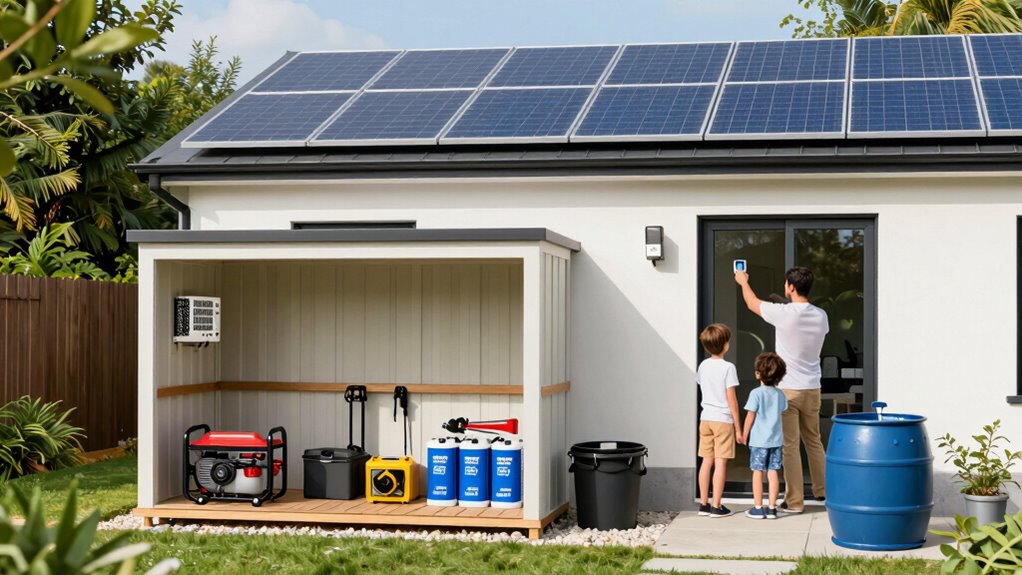
Building energy resilience at home is an investment that can save you money and provide peace of mind during power outages. When planning your budget, it’s crucial to consider the upfront costs of systems like solar panels and backup generators, as well as ongoing expenses for maintenance and upgrades. Solar panels, in particular, can reduce your reliance on the grid, lowering your energy bills over time. While the initial investment might seem high, many homeowners find that solar energy pays for itself through energy savings and incentives. Backup generators, on the other hand, offer immediate power during outages, ensuring your essential appliances and systems stay operational. When budgeting, you need to account for the purchase price, installation costs, and fuel or maintenance costs for these systems.
Start by evaluating your current energy consumption and identifying your needs during outages. Do you want to keep your refrigerator running, power medical devices, or ensure your entire home remains livable? This assessment helps determine whether a solar panel system combined with a home battery storage solution makes sense or if a backup generator alone suffices. Remember, solar panels require a considerable initial investment, but they often come with tax credits and rebates that can offset some costs. Shopping around for reputable installers and obtaining multiple quotes can help you find the best deal within your budget. Additionally, understanding the cost-effectiveness of various energy resilience options can guide your investment decisions.
Don’t forget to plan for ongoing costs. Solar panels require minimal maintenance, but you should budget for occasional inspections and potential repairs. Backup generators need fuel, which can add up over time, especially during lengthy outages. Consider the fuel type—gas, propane, or diesel—and how that fits into your budget and local availability. Some generators require regular servicing to stay in excellent condition, so include those costs in your long-term budget. Additionally, understanding the importance of biodiversity and sustainable resource use can help inform choices about energy sources and environmentally friendly options. Incorporating renewable energy options not only benefits your home’s resilience but also supports environmental sustainability. Exploring energy efficiency measures can further reduce your overall energy needs and costs. Moreover, staying informed about innovative technologies in the energy sector can help you make smarter investments and adapt to future developments.
As an affiliate, we earn on qualifying purchases.
Frequently Asked Questions
What Are the Most Cost-Effective Energy Resilience Upgrades?
The most cost-effective energy resilience upgrades include investing in renewable sources like solar panels, which reduce long-term energy costs, and installing smart technology to optimize energy use. You can start small with solar battery storage or smart thermostats, gradually expanding based on your budget. These upgrades offer sustainable, reliable power during outages, and smart tech helps you monitor and control energy consumption efficiently, maximizing your investment.
How Long Does It Typically Take to See a Return on Investment?
You’ll usually see a return on investment within 5 to 10 years when you invest in renewable sources and off-grid solutions. These upgrades reduce your reliance on the grid, lowering energy bills and increasing resilience during outages. The timeline varies based on your initial costs, energy consumption, and local incentives. Over time, the savings from renewable energy and off-grid systems can substantially offset your initial expenses.
Are There Government Grants or Incentives Available for Energy Resilience?
Think of government programs as treasure chests waiting to be opened. You might find incentive opportunities that help fund your energy resilience upgrades, making your home more prepared for outages. Many governments offer grants and rebates for solar panels, battery storage, and energy-efficient appliances. Exploring these options can greatly reduce your costs, turning your investment into a smart, resilient fortress—so don’t hesitate to seek out available programs to boost your efforts.
How Do I Evaluate My Home’s Energy Vulnerabilities?
To evaluate your home’s energy vulnerabilities, start by inspecting your home insulation to identify areas where heat escapes or enters. Check if your current setup supports backup generators, ensuring they can power essential systems during outages. Consider examining your energy consumption patterns and potential risks like storms or outages. This will help you pinpoint weak spots and prioritize improvements, making your home more resilient to energy disruptions.
What Are the Ongoing Maintenance Costs for Energy Resilience Systems?
Your ongoing maintenance costs for energy resilience systems include routine inspections, filter replacements, and system updates. You should follow maintenance schedules to keep everything functioning efficiently. Conduct regular cost analysis to identify potential savings and anticipate expenses. By staying proactive with maintenance, you guarantee reliability, extend system lifespan, and avoid costly repairs. Balancing scheduled upkeep with budget planning helps you manage costs effectively and maintain your home’s energy resilience over time.
Conclusion
Investing in energy resilience is like planting a sturdy tree in your yard—over time, it shields you through storms and droughts. By budgeting wisely today, you’re nurturing roots that will hold strong against future outages, ensuring your home’s safety and comfort. Remember, each dollar is a seed, growing into steadfast protection. With patience and foresight, you’ll cultivate a resilient home that stands tall no matter what comes your way.
Halloween Picks
halloween
As an affiliate, we earn on qualifying purchases.