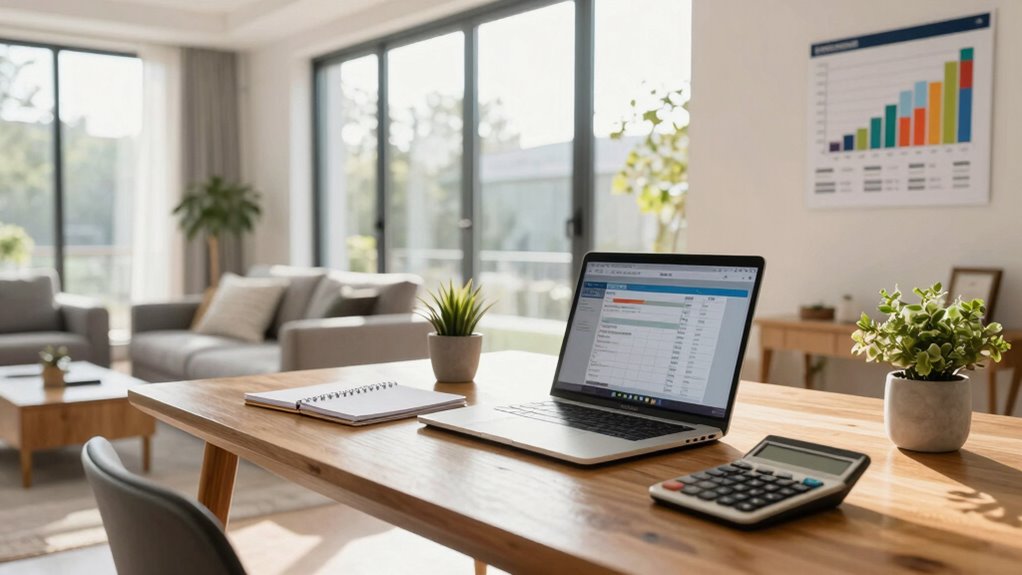

To budget for home upgrades without regrets, start by setting a clear budget and sticking to it, focusing on improvements that add long-term value. Prioritize practical upgrades that boost comfort and home value, and avoid overspending on trendy or unnecessary features. Use a financial plan with a contingency fund for unexpected costs, and space out your projects over time. If you keep these tips in mind, you’ll make smarter choices and enjoy your upgrades for years to come.

Get everyday essentials delivered free with Prime
- Fast, free delivery on millions of items
- Prime Video, Amazon Music and more included
- Member-only deals all year
Key Takeaways
- Set a realistic budget early, focusing on upgrades that add long-term value and practicality.
- Prioritize essential upgrades and avoid trendy, unnecessary features to prevent overspending.
- Conduct thorough research, compare prices, and read reviews to ensure cost-effective choices.
- Allocate a contingency fund (10-15%) for unforeseen expenses and ongoing maintenance costs.
- Plan upgrades in phases, assessing each step’s impact on your budget and home’s overall value.
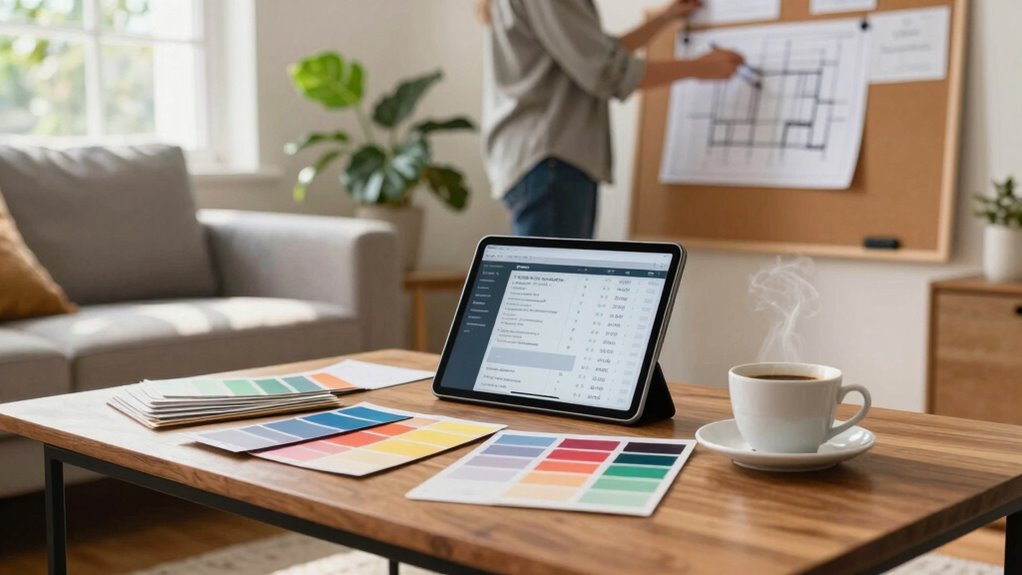
Upgrading your home can be exciting, but without careful planning, it can also lead to financial regret. When considering enhancements, you might be tempted to splurge on luxury appliances that promise convenience and style. While these high-end options can elevate your living space, they often come with hefty price tags. To avoid overspending, set a clear budget early on, focusing on what truly adds value to your lifestyle rather than just the latest trends. Think about how often you’ll use these luxury appliances and whether they’re worth the investment long-term. Remember, quality doesn’t always mean the most expensive product; sometimes, mid-range options offer durability at a better price point.
Set a budget and prioritize upgrades that add real value, avoiding unnecessary luxury for long-term satisfaction.
Incorporating smart technology into your home can offer both convenience and efficiency, but it’s easy to go overboard. Before you start shopping, identify which smart devices will genuinely improve your daily routine—smart thermostats, security systems, or voice-activated assistants—rather than buying every new gadget that hits the market. Prioritize features that align with your needs and budget. Research products thoroughly, read reviews, and compare prices to ensure you’re not paying extra for unnecessary features. Additionally, consider the compatibility of smart technology with existing systems in your home to avoid costly upgrades down the line. Smart technology integration can significantly enhance your home’s functionality when planned thoughtfully. Being aware of organizational support options can also help streamline your upgrade process and prevent unnecessary expenses. Planning your upgrades with a clear understanding of financial management can help you stay within your means and avoid impulsive purchases. Incorporating cost-benefit analysis into your planning can help you determine which upgrades provide the most value for your money.
Furthermore, understanding the long-term maintenance costs associated with certain upgrades can prevent unexpected financial burdens later on. Keeping a detailed record of these costs ensures you aren’t caught off guard by unforeseen expenses. As you plan your upgrades, keep a detailed list of all costs involved, including installation, maintenance, and potential upgrades to your electrical system. This helps prevent surprises that can blow your budget. Don’t forget to allocate a contingency fund—around 10-15% of your total budget—for unexpected expenses. It’s also wise to stagger upgrades over time instead of tackling everything at once. This approach allows you to spread out costs, assess the impact of each change, and avoid accumulating debt.
Finally, always keep your eye on the end goal: enhancing your home’s comfort and functionality without sacrificing financial stability. Balance your desire for luxury appliances and smart technology with practicality. Prioritize upgrades that will increase your home’s value and make daily life easier, but resist the urge to chase every shiny new feature. By planning carefully, researching thoroughly, and sticking to your budget, you’ll enjoy your home improvements without regrets, gaining satisfaction from investments that truly serve your needs.
As an affiliate, we earn on qualifying purchases.
Frequently Asked Questions
How Do I Prioritize Home Upgrades Within My Budget?
You should start by evaluating your home renovation needs and creating a detailed budget plan. Prioritize upgrades that add the most value or improve your daily living. Break your budget into categories like essentials and nice-to-haves, then allocate funds accordingly. Always leave some buffer for unexpected costs. This way, you guarantee your home renovation stays within budget, helping you make smart decisions and avoid future regrets.
What Unexpected Costs Should I Anticipate During Upgrades?
During upgrades, you should anticipate unexpected expenses and renovation surprises that can increase costs. These might include hidden structural issues, outdated wiring, or plumbing problems that only appear once work begins. Always set aside a contingency fund—around 10-20% of your budget—to cover these surprises. Being prepared helps you manage unexpected expenses without stress, ensuring your project stays on track financially.
How Can I Finance Home Improvements Without Debt?
You can finance home improvements without debt by setting aside a dedicated savings fund for DIY projects and eco-friendly upgrades. Think of it as “paying yourself first” to avoid borrowing. Focus on affordable, impactful upgrades you can do yourself and prioritize eco-friendly options that save money long-term. This approach helps you build your dream home gradually, without the stress of monthly payments, turning your vision into reality one step at a time.
When Is the Best Time to Start Home Upgrades Financially?
The best time to start a home renovation is when your finances are solid, and you’ve done thorough budget planning. You want to guarantee you have enough savings or a clear plan for funding the project without stress. Wait until your income is stable, debts are manageable, and you’ve prioritized upgrades. This way, you can confidently tackle your home upgrades, avoid financial strain, and enjoy the process.
How Do I Ensure Quality Without Overspending?
Think of this like negotiating a deal in a vintage marketplace. You guarantee quality by carefully selecting materials that balance durability and cost. Don’t be shy to negotiate with contractors—ask for detailed quotes and compare options. Focus on reputable brands and proven craftsmanship. This way, you get the best bang for your buck without overspending, making your home upgrade both high-quality and budget-friendly.
Conclusion
By planning carefully and sticking to your budget, you’ll avoid costly regrets and keep your home upgrades enjoyable, not stressful. Remember, even the grandest castles had their humble beginnings—so don’t get carried away chasing every fancy gadget or shiny fixture. Keep your eyes on what truly matters, and treat your budget like a trusty compass guiding you through the wilderness. With patience and prudence, your home will become a sanctuary worth every penny spent—no matter what the future holds.
Halloween Picks
halloween
As an affiliate, we earn on qualifying purchases.