To effectively place art, follow rules like creating balance through symmetry or asymmetry, and positioning your focal point at eye level for maximum impact. Use proper spacing to prevent clutter and guarantee visual harmony that complements your room’s architecture. Consider the size, color, and style of pieces to maintain flow. Utilizing design tools or consulting experts can help you plan a cohesive layout. If you keep exploring, you’ll find more tips to perfect your art arrangement.
Key Takeaways
- Use gallery symmetry to balance visual weight, offset large pieces with smaller ones for harmony.
- Hang artwork at eye level (~57-60 inches) for optimal focal point positioning.
- Choose between symmetrical and asymmetrical layouts based on room style and desired energy.
- Maintain proper spacing to prevent clutter and ensure cohesive visual flow.
- Utilize design tools and professional resources to plan and achieve balanced, intentional arrangements.

When it comes to displaying art, understanding proper placement is vital to creating a balanced and visually appealing space. One key concept designers emphasize is gallery symmetry, which involves arranging artwork in a way that creates a harmonious balance. Symmetry doesn’t mean everything has to be identical on either side, but rather that the visual weight is evenly distributed. For example, if you hang a large piece on one side, offset it with smaller pieces on the opposite side to maintain equilibrium. This approach helps your space feel organized and intentional, guiding the eye smoothly across the room. You want your art to complement the room’s architecture and furniture, not overwhelm or get lost in it.
Another essential element is focal point positioning. When selecting where to hang your main piece, you should consider eye level, which is generally around 57 to 60 inches from the floor. This height ensures the artwork becomes the natural focus when entering a room. If you have a statement piece or a large artwork, position it so that it commands attention without overpowering the surrounding elements. Keep in mind that the focal point should anchor the arrangement; everything else should support or relate to it. When placing multiple pieces, create a visual hierarchy by aligning their centers or edges to maintain coherence. This helps prevent a cluttered look and directs viewers’ gaze deliberately.
It’s also important to think about gallery symmetry when planning your layout. Symmetrical arrangements often involve matching or balancing artworks on either side of a central point, like a fireplace or a sofa. This approach provides a sense of order and stability, especially in formal spaces. On the other hand, asymmetrical layouts can add energy and interest, but they still require careful attention to balance—think about how different sizes, colors, and styles work together visually. When positioning art, imagine a line or grid that guides your placement, ensuring that the pieces relate to each other and the room’s overall flow. Proper spacing between artworks also matters; too close creates clutter, too far apart risks disjointedness.
Additionally, understanding resources and tools available for art placement can help you plan more effectively, whether through design software or consulting with professionals.

Go Hang It! Pro, All-in-One Picture Hanging Kit – Picture Leveling and Hanging Tool – Hang Sawtooth/Wire Hangers – Wall Hanging Kit and Level Tool – Hardware Case with 85-Piece Hanging Essentials
Easy Picture Hanging with Precision : Hang your saw-tooth or wire picture frames effortlessly without the hassle of…
As an affiliate, we earn on qualifying purchases.
As an affiliate, we earn on qualifying purchases.
Frequently Asked Questions
How Do Lighting Conditions Affect Art Placement Decisions?
Lighting conditions greatly influence your art placement decisions. You should consider lighting harmony, ensuring the artwork is visible without glare or harsh shadows. If natural light is available, position pieces away from direct sunlight to prevent fading or damage. Use indirect lighting or adjustable fixtures to create a balanced environment. By paying attention to light sources, you enhance the art’s visibility and impact, making your space more inviting and visually cohesive.
What Are Common Mistakes to Avoid in Art Placement?
You should avoid disrupting gallery symmetry, which can make a space feel unbalanced, and ignore color harmony, leading to visual discord. Don’t place art too high or too low, as it hampers viewing. Overcrowding walls or neglecting lighting can also diminish the artwork’s impact. Instead, aim for balanced spacing, consider color relationships, and guarantee proper lighting to create a cohesive and inviting display.
How Does Room Size Influence Art Positioning?
Room size greatly influences how you position art. In smaller spaces, you should consider scale considerations to avoid overwhelming the room; opt for smaller pieces or arrangements that complement the wall size. Larger rooms can handle bigger artwork, creating focal points. Also, pay attention to wall texture—smooth walls showcase art better, while textured walls may require different hanging techniques. Adjust placement accordingly to balance the space and highlight your artwork effectively.
Can Art Placement Impact Room Acoustics?
Absolutely, art placement can influence room acoustics. By strategically positioning artwork—especially pieces with textured surfaces—you can aid in acoustic treatment, reducing sound reflection and echo. Art acts as a barrier, absorbing and diffusing sound waves, which enhances audio clarity. So, as you hang art thoughtfully, you not only craft a visual vibe but also subtly shape sound quality, making your space more harmonious and inviting.
What Tools Are Best for Planning Art Arrangements?
You should use tools like digital design software or layout templates to plan your art arrangements effectively. Focus on maintaining gallery symmetry to create balance and harmony in the space. Use these tools to experiment with different placements until you find the perfect setup for a focal point that draws attention. This approach helps guarantee your art enhances the room’s aesthetic while guiding viewers naturally through your display.
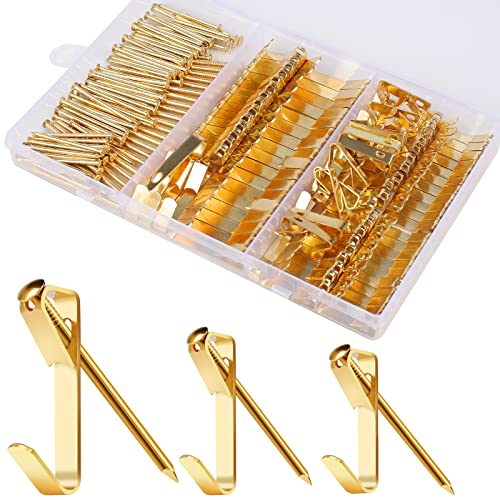
184 Pieces Picture Hanging Kit, 20lb, 30lb, and 50lb Picture Hangers, Metal Picture Hanging Hooks with Nails, on Drywall, Wooden Wall(Gold)
Great Assortment: You will receive 90 sets of picture hanging hardware, including 20 sets of 50LB hooks,50 sets…
As an affiliate, we earn on qualifying purchases.
As an affiliate, we earn on qualifying purchases.
Conclusion
Mastering art placement rules isn’t just about following guidelines; it’s about understanding what’s unseen. When you apply these principles, you create spaces that speak without words. But the true secret lies in knowing when to break them—and that’s where the magic happens. Will your next masterpiece challenge conventions or uphold them? The choice is yours, and the outcome could change everything. Are you ready to discover what lies beyond the rules?

Adjustable Picture Hanging Wire, Upgrade Mirror Frame Hanging Kit, 6.6FT Heavy Duty Stainless Steel Wire Rope, Supports Up to 100lbs (Silver, 2PC-6.6FT)
【𝐇𝐞𝐚𝐯𝐲 𝐃𝐮𝐭𝐲 𝐌𝐞𝐭𝐚𝐥 𝐇𝐚𝐧𝐠𝐢𝐧𝐠 𝐖𝐢𝐫𝐞 𝐑𝐨𝐩𝐞 】Package included 2pcs high quality stainless steel picture hanging wire ropes with…
As an affiliate, we earn on qualifying purchases.
As an affiliate, we earn on qualifying purchases.

10Pcs Dotting Tools, Ball End Dot Art Tools for Rock Painting, Pottery Clay Modeling Embossing Art Mandala
Total 20 ball ends, 14 different diameters: 0.8/1/1.5/2/2.5/3/4/6/8/10/11/13/16/18mm
As an affiliate, we earn on qualifying purchases.
As an affiliate, we earn on qualifying purchases.