
A calm room feels welcoming because it balances soothing colors, simple layouts, and warm lighting. You’ll want to choose gentle hues like soft blues or greens and keep clutter out of sight to promote peace. Arrange your furniture thoughtfully to create space and ease of movement. Use layered, soft lighting to add warmth. If you’re curious about crafting a truly restful environment, there’s more to discover that can transform your space into a sanctuary.

Get everyday essentials delivered free — and shop member deals
- Fast, free delivery on millions of items
- Access to Prime Big Deal Days deals on October 6–7
- Prime Video, Amazon Music and more included
Key Takeaways
- Use soft, muted colors to evoke a soothing and cozy atmosphere.
- Arrange furniture to promote open flow and avoid cluttered, chaotic layouts.
- Keep surfaces clear of unnecessary objects to maintain environmental harmony.
- Incorporate layered, warm lighting to create a welcoming and relaxed ambiance.
- Add natural elements like plants or wood accents to deepen tranquility and balance.
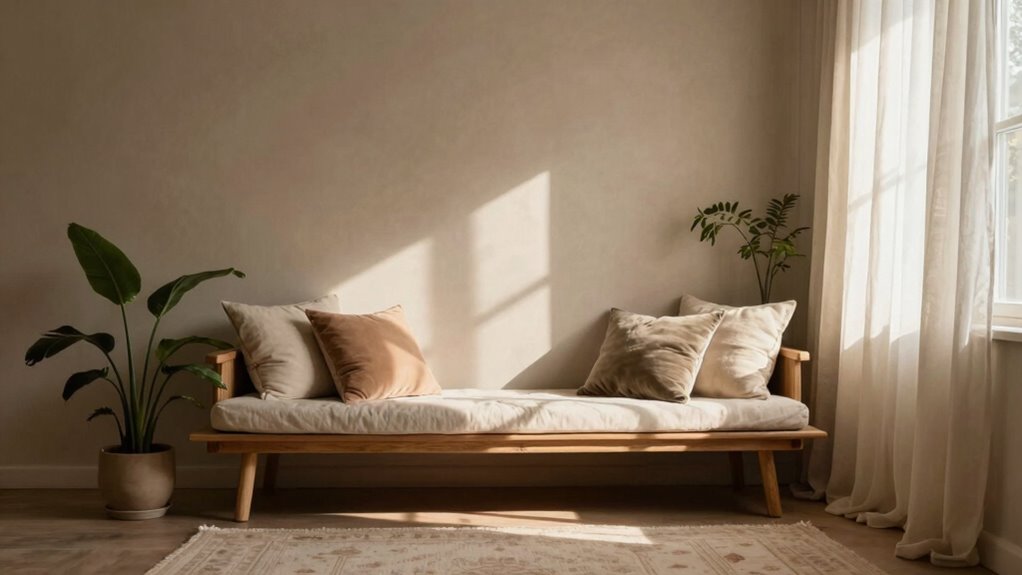
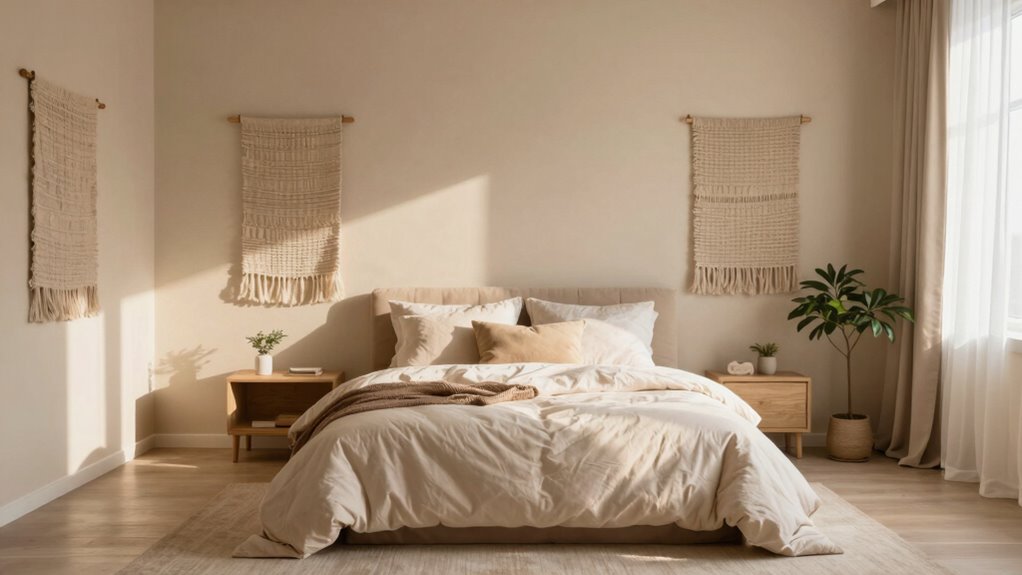
Creating a calm environment in your room starts with intentional choices that promote tranquility and relaxation. You want your space to feel inviting, not empty or sterile, and the way you choose colors and arrange furniture plays a significant role. When it comes to color psychology, soft, muted tones like gentle blues, calming greens, or warm neutrals can instantly create a sense of peace. These colors have a soothing effect on your mind and body, helping you feel more relaxed the moment you step inside. Avoid bright, jarring hues like neon or stark whites, which can make a room feel cold or uninviting. Instead, opt for shades that evoke serenity and comfort, making your space feel cozy rather than sterile.
Your furniture arrangement also impacts how calm your room feels. A cluttered or chaotic layout can make the space feel busier than it is, so aim for simplicity and balance. Position your furniture in a way that encourages ease of movement and promotes a sense of openness. For example, avoid pushing all your pieces against the walls, which can make the room feel confined, and instead, arrange them to create a natural flow. Incorporate open space around key pieces like your bed or seating area, giving your mind room to breathe and relax. Keep surfaces clear of unnecessary objects—clutter is a major disruptor of calm, so only keep essentials or meaningful items within reach. Paying attention to environmental harmony can further enhance the calming effect of your space. Incorporating natural elements like plants or wood accents can deepen that sense of tranquility and biophilic design, which has been shown to improve well-being and reduce stress. Additionally, understanding spatial harmony can help you create a more balanced and peaceful environment that feels right for your space.
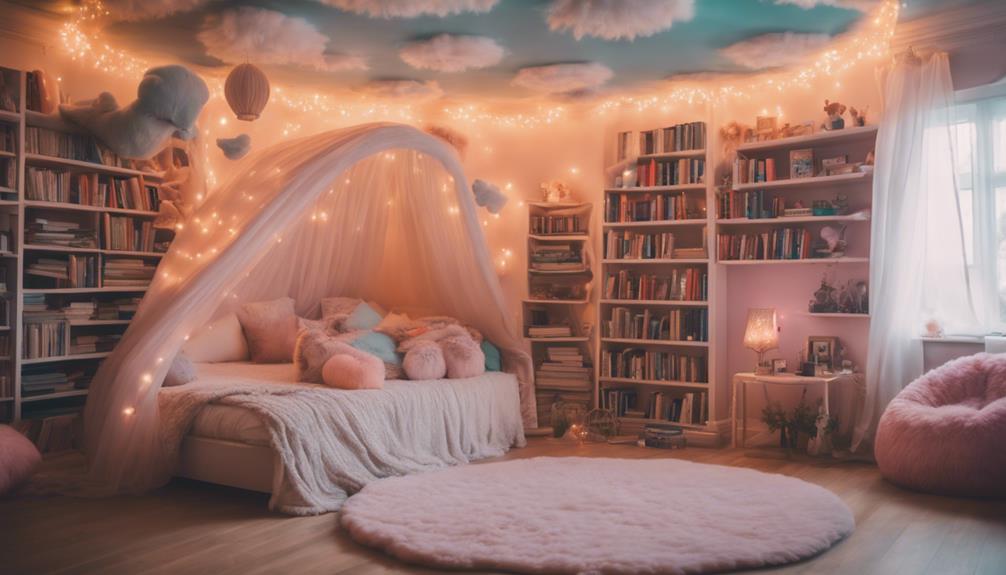
Using lighting thoughtfully can dramatically influence the atmosphere, as proper illumination supports a peaceful environment. Soft, warm lights can complement your chosen color palette and furniture arrangement, enhancing the overall feeling of calm. Use lamps with dimmable bulbs or fairy lights to add a gentle glow, rather than harsh overhead lighting. This layered lighting approach supports a peaceful ambiance, especially in the evening when you want to unwind. Incorporating different sources of light—such as candles or Himalayan salt lamps—can also add to the soothing environment. Additionally, understanding lighting psychology can help you select the most effective lighting options to promote relaxation and comfort.
In essence, the secret to rooms that feel calm instead of empty lies in the thoughtful combination of color psychology and furniture placement. You can craft a space that invites relaxation simply by choosing soothing colors and arranging your furniture with intention. Keep your space uncluttered, embrace open layouts, and layer your lighting for extra warmth. When those elements come together harmoniously, your room becomes a sanctuary—an environment that nurtures peace and helps you disconnect from stress. The result isn’t just a visually appealing room, but one that genuinely feels calm and restorative every time you enter.
soothing color palette wall paint
As an affiliate, we earn on qualifying purchases.
As an affiliate, we earn on qualifying purchases.
Frequently Asked Questions
How Does Lighting Influence a Calm Room Atmosphere?
Lighting influences a calm room atmosphere by balancing natural light and artificial ambiance. You should maximize natural light through windows or soft, sheer curtains to create an open, airy feel. Complement this with warm, diffused artificial lighting like lamps or candles to foster relaxation. Properly blending these light sources prevents harsh shadows and glare, making the space feel inviting and peaceful. Adjusting lighting levels throughout the day enhances the room’s calming vibe.
What Role Do Textures Play in Creating a Soothing Space?
Textures work like a gentle whisper, inviting tactile stimulation that soothes your senses. You can achieve this through subtle textural contrast—soft throws, plush rugs, or smooth wooden surfaces—that add depth without overwhelming. These tactile elements create a warm, inviting atmosphere, making your space feel calm and balanced. By thoughtfully incorporating varied textures, you encourage a peaceful environment where your senses are gently engaged, fostering relaxation and comfort.
How Can Scent Impact the Feeling of Calmness in a Room?
Scent considerably impacts your sense of calm in a room. Aromatherapy benefits, like lavender or chamomile, can instantly relax your mind and reduce stress. You can enhance this effect through scent layering, combining different aromas for a balanced, soothing atmosphere. By thoughtfully choosing and blending calming scents, you create a peaceful environment that feels welcoming and tranquil, helping you unwind and feel more at ease in your space.
What Are Common Mistakes That Make Rooms Feel Empty?
It’s easy to fall into the trap of thinking a room’s emptiness adds calm, but it often backfires. Common mistakes include over-minimizing with too few decorative accessories or choosing a bland color palette that feels uninspired. Instead, add carefully curated decor and select soothing colors to create warmth and interest. Think of your space like a story; fill it with just enough detail to invite comfort without overwhelming.
How Does Furniture Arrangement Affect Room Tranquility?
Your furniture arrangement greatly influences room tranquility by promoting a balanced color harmony and creating a sense of flow. Position pieces thoughtfully, avoiding clutter, to foster an inviting atmosphere. Use furniture placement to define spaces and make sure pathways are clear, which reduces visual chaos. Harmonizing colors with your furniture enhances calmness, making the room feel cozy rather than empty. Thoughtful arrangement helps you feel more relaxed and at peace in your space.
Conclusion
Imagine walking into a room that instantly feels calming, not empty. It’s not about filling every inch with clutter but choosing soft textures, gentle colors, and thoughtful decor. Even if you think less is more, you’ll find that simplicity creates a soothing space where your mind can breathe. You don’t need to fill every corner—just a few mindful touches can turn an empty room into a peaceful retreat you’ll love.
Fall Picks
fall essentials
As an affiliate, we earn on qualifying purchases.