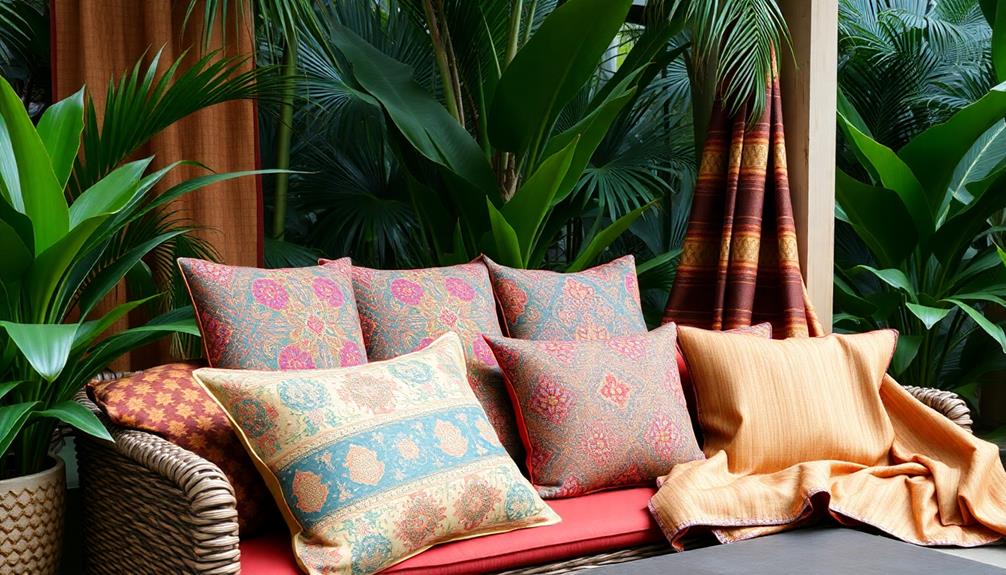
When choosing fabric for your daily living room, prioritize durability and ease of maintenance, like tightly woven polyester or microfiber, which resist stains, pet claws, and wear. Sustainable options like organic cotton or recycled polyester also offer eco-friendly benefits and softer feels. The right fabric balances style, resilience, and practicality, ensuring your furniture stays beautiful despite everyday use. Keep exploring to discover more tips on selecting fabrics that keep your space inviting and long-lasting.

Get everyday essentials delivered free with Prime
- Fast, free delivery on millions of items
- Prime Video, Amazon Music and more included
- Member-only deals all year
Key Takeaways
- Prioritize durable, high-traffic-resistant fabrics like microfiber or tightly woven polyester for longevity.
- Choose eco-friendly materials such as organic cotton or recycled polyester to support sustainability.
- Opt for easy-to-clean fabrics to simplify maintenance and keep the space looking fresh.
- Balance style and resilience to ensure fabrics withstand spills, stains, and daily wear.
- Understand fabric composition and care instructions to maintain appearance and extend furniture lifespan.

Choosing the right fabric for your living room is essential because it directly impacts the space’s comfort, style, and durability. When you’re selecting fabrics, considering sustainable materials is more than just a trend—it’s a smart choice for the environment and your home. Sustainable materials like organic cotton, hemp, and recycled polyester help reduce environmental impact while still offering excellent looks and functionality. By opting for these eco-friendly options, you contribute to a healthier planet, and often, they come with a softer, more natural feel that makes your living space more inviting.
Choosing sustainable fabrics like organic cotton and recycled polyester boosts comfort, style, and eco-friendly living.
But beyond eco-friendliness, fabric durability plays a key role in your decision. Daily use means your furniture needs to withstand spills, stains, pet claws, and constant wear. Fabrics like tightly woven polyester, microfiber, and certain blends are known for their resilience. They resist pilling, fading, and tearing better than delicate fabrics, ensuring your furniture stays looking fresh longer. When choosing fabric for high-traffic areas, always prioritize materials that can handle the hustle and bustle of everyday life without sacrificing style. Additionally, understanding fabric composition can help you choose materials that balance sustainability and durability effectively. Recognizing the fabric’s environmental impact can guide you toward choices that align with eco-conscious values. Moreover, selecting fabrics with moisture resistance can further improve their longevity and ease of care in daily use.
In addition, the maintenance required for your chosen fabric influences its suitability. Fabrics with higher durability often require less delicate handling and frequent cleaning, which saves you time and effort. For example, a fabric made from recycled polyester can often be cleaned with a simple wipe or gentle wash, making it perfect for daily use. Conversely, delicate or plush fabrics may need special care, which could be less practical for a lively living room setting. Moreover, selecting fabrics with easy-to-clean properties can further enhance their practicality in everyday life. Being aware of fabric care instructions can help you maintain your furniture’s appearance and longevity with minimal hassle.
Ultimately, the fabric you select should reflect your lifestyle, values, and aesthetic preferences. Opting for sustainable materials ensures you’re making a conscious choice for the environment, while emphasizing fabric durability guarantees your furniture stands up to everyday life. When you balance these factors, you create a living room that’s comfortable, stylish, and built to last for years to come.
microfiber stain resistant sofa fabric
As an affiliate, we earn on qualifying purchases.
As an affiliate, we earn on qualifying purchases.
Frequently Asked Questions
How Do Fabrics Affect Indoor Air Quality in Living Rooms?
Fabrics considerably impact indoor air quality in your living room by trapping dust, pet dander, and allergens, which can worsen fabric allergies. Choosing breathable, low-emission fabrics helps improve air filtration, reducing airborne pollutants. Regular cleaning and selecting hypoallergenic materials also minimize allergen buildup. This way, you create a healthier environment, making your living space more comfortable and safe for everyone, especially those sensitive to allergens.
Are There Eco-Friendly Fabric Options Suitable for Daily Use?
Yes, there are eco-friendly fabric options suitable for daily use. Natural fibers like organic cotton, hemp, and linen are sustainable, breathable, and biodegradable, making them excellent choices. Avoid synthetic alternatives, which often contain chemicals and plastics that harm the environment. By choosing natural fibers, you support eco-conscious living, improve indoor air quality, and enjoy durable, comfortable fabrics perfect for everyday use in your living room.
How Does Fabric Durability Influence Long-Term Furniture Investment?
Your choice comparison of fabrics considerably impacts your long-term furniture investment. Durability testing reveals which fabrics withstand daily wear and tear, ensuring your sofa stays looking fresh for years. When you prioritize durability, you minimize replacements and repairs, saving money and effort over time. By selecting fabrics with proven durability, you’re making a smart, lasting investment that maintains both comfort and style in your living room.
What Fabrics Are Best for Allergy-Prone Individuals?
Imagine your living room, free from sneezes and itchy eyes—that’s possible with hypoallergenic fabrics. These fabrics, like tightly woven cotton or microfiber, prevent dust mites and allergens from settling in, making fabric allergy prevention easier. For allergy-prone individuals, choosing hypoallergenic fabrics guarantees a healthier environment and peace of mind. Opt for natural fibers with low chemical treatments, and you’ll create a space that’s both comfortable and allergy-friendly.
How Can Fabric Care Extend the Lifespan of Living Room Furniture?
Proper fabric maintenance, like regular vacuuming and prompt stain removal, helps extend the lifespan of your living room furniture. Using fabrics with stain resistance makes cleanup easier and prevents damage from spills. Keep your furniture looking new by following manufacturer care instructions, avoiding harsh cleaners, and protecting it from direct sunlight. Consistent upkeep guarantees your furniture remains comfortable, attractive, and durable for years to come.
Conclusion
So, next time you’re picking out a fabric for your living room, remember—it’s not just about style or comfort, but about surviving the chaos. Ironically, the most delicate-looking fabric might be your best bet for hiding spills, while the tough one could be a nightmare to clean. Who knew that choosing the right fabric could turn your living room into both a stylish sanctuary and a surprisingly resilient haven? Happy decorating!
Columbus Day / Indigenous Peoples' Day Picks
long weekend sales
As an affiliate, we earn on qualifying purchases.