While AI is expected to displace many jobs by 2025, roles in healthcare, education, and creative fields are likely to remain safer because they rely on human skills that AI can’t easily replicate. Jobs involving complex problem-solving, emotional intelligence, and personal interaction tend to be more resilient. If you stay adaptable and focus on developing skills in these areas, you’ll better navigate the shifting job landscape—more details on which roles might stay secure are coming up.
Key Takeaways
- Healthcare and education sectors are less susceptible to immediate automation, focusing more on augmentation than displacement.
- Roles requiring complex human interaction, creativity, and emotional intelligence remain relatively secure in 2025.
- Jobs involving strategic decision-making, critical thinking, and specialized skills are less likely to be automated.
- Emerging fields like AI development, cybersecurity, and data analysis offer growth opportunities and job security.
- Hybrid work models and continuous upskilling are essential strategies for maintaining employment amidst automation.

Artificial intelligence is transforming the way we work, bringing both opportunities and challenges that directly impact your career. As AI becomes more integrated into various industries, the risk of job displacement increases, especially in sectors like technology, manufacturing, and retail. In 2025 alone, nearly 78,000 jobs have already been lost in the tech sector due to automation and AI adoption. Major companies like Microsoft, IBM, and Meta have announced significant layoffs, partly driven by efforts to streamline operations with AI. Around 40% of employers expect to reduce their workforce as automation replaces routine tasks, particularly affecting entry-level roles and specialized skill positions. The World Economic Forum estimates that by 2025, up to 85 million jobs worldwide could disappear because of AI, highlighting the scale of disruption.
AI-driven job losses are increasing, with 78,000 tech jobs gone in 2025 and up to 85 million jobs at risk worldwide.
In industries like manufacturing, AI is poised to replace up to two million workers by 2025, as factories adopt smarter automation systems. Retail is also heavily impacted, with about 65% of jobs potentially automated through advanced technologies. While healthcare and education are seeing AI integration, these sectors are experiencing less immediate displacement, focusing more on augmenting human roles rather than replacing them. Companies are using AI to automate HR functions too, as seen in IBM’s recent layoffs, which further reduce entry points for new workers. This automation trend means fewer opportunities for fresh graduates and entry-level employees, leading to increased competition from global talent pools, especially in regions like India, where outsourcing is prevalent. Consequently, many young job seekers feel their education’s value is diminishing, with nearly half of Gen Z believing AI has lowered job prospects for newcomers.
Despite these challenges, AI also creates new job opportunities. It’s projected to generate around 11 million new roles by 2025 and a net gain of 78 million jobs by 2030, but this shift requires workers to upskill continually. Many existing roles will evolve, emphasizing task-based adjustments rather than complete automation. Remote work is likely to benefit from AI innovations, enabling more flexible and efficient work environments worldwide. Still, the threat to entry-level jobs remains significant, with salaries for these roles potentially decreasing as AI provides more support. The global workforce faces a delicate balance: adapting to automation while seeking roles that AI is less likely to displace. Additionally, many companies are exploring hybrid work models that combine human oversight with AI efficiency to create new employment structures. Developing skills in emerging fields will be crucial for maintaining job security in this shifting landscape.

Brother Color Laser Printer with Wireless Printing Fast 19 PPM Output, Duplex Feature, Mobile Device Compatible, 250-Sheet Paper Tray for Professional Home Office Printing (HL-L3220CDW)
Professional Quality: Brother Genuine color laser printer delivers stunning business documents with crisp text and vibrant graphics at...
As an affiliate, we earn on qualifying purchases.
Frequently Asked Questions
How Will AI Impact Freelance and Gig Economy Jobs?
AI will reshape your freelance and gig jobs by automating routine tasks, making your work more efficient. It helps match you with projects that suit your skills and guides your career choices. While some roles may change, highly skilled gigs in areas like cybersecurity or data analysis will remain resilient because they require human expertise. Embrace continuous learning to stay ahead and leverage AI tools to expand your opportunities.
What Skills Will Be Most Valuable in an Ai-Driven Workplace?
The skills you’ll need in an AI-driven workplace are more crucial than ever. You should master programming languages like Python or R, sharpen your analytical and problem-solving abilities, and develop a strong ethical judgment. Creativity, communication, and collaboration will set you apart, along with continuous learning to stay ahead of rapid tech changes. By honing these skills, you’ll thrive amid automation and guarantee your role remains indispensable.
Will AI Create More Jobs Than It Replaces?
You’re wondering if AI will generate more jobs than it takes away. The data shows AI is expected to create around 11 million jobs, including new roles like AI engineers and content creators. However, it could displace about 9 million jobs globally, especially in manufacturing and retail. So, while AI will lead to job growth in certain areas, you’ll need to adapt and develop new skills to stay relevant.
How Can Workers Prepare for Ai-Related Job Changes?
To prepare for AI-related job changes, you should upskill continuously, stay adaptable, and embrace lifelong learning. Develop skills that AI can’t easily replicate, like creativity, problem-solving, and emotional intelligence. Gain AI literacy to understand its applications, explore emerging roles in tech and human-centered fields, and sharpen soft skills like communication and teamwork. By diversifying your skills and staying informed, you’ll enhance your resilience and remain competitive in an evolving job market.
What Industries Will Be Least Affected by AI Advancements?
You’ll find that industries like healthcare, skilled trades, infrastructure, and creative or physical professions are least affected by AI advancements. In healthcare, roles involving social interaction and emotional intelligence stay resilient, while skilled trades and environmental jobs depend on physical presence and local knowledge. Infrastructure maintenance and safety-critical roles require human oversight, and creative fields, sports, and adventure jobs rely on real-time decision-making, making automation difficult. Your skills in these areas remain highly valuable and less vulnerable to AI disruption.

HP Color Laserjet Pro 3201dw Wireless Color Laser Printer, Office Printer, Duplex, Best for Office (499Q9F)
FROM AMERICA'S MOST TRUSTED PRINTER BRAND – Perfect for small teams printing professional-quality color documents and reports. Print...
As an affiliate, we earn on qualifying purchases.
Conclusion
As you navigate the rapidly evolving job landscape, remember that adaptability is your best armor—think of it as your personal Excalibur in this digital age. While AI advances like a modern Da Vinci, certain roles rooted in human creativity, empathy, and complex problem-solving will stay resilient through 2025 and beyond. Embrace lifelong learning, stay curious, and you’ll find your place in this brave new world—no DeLorean required.
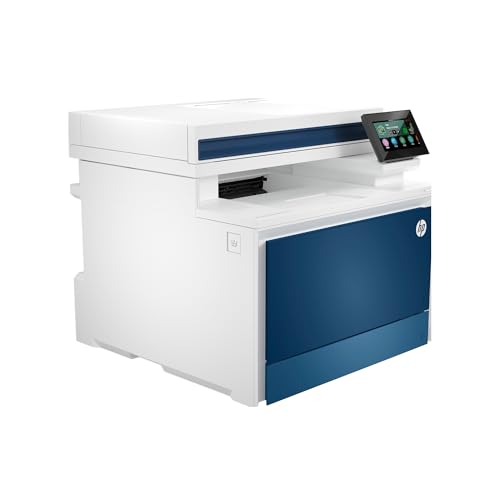
HP Color LaserJet Pro MFP 4301fdw Wireless All-in-One Color Laser Printer, Scanner, Copier, Fax, Best-for-Office
EVERYTHING SMALL TEAMS NEED – Print, scan and copy professional-quality color documents and reports plus fax. Auto 2-sided...
As an affiliate, we earn on qualifying purchases.

Canon Color imageCLASS MF665Cdw - Wireless Duplex Laser Printer, All-in-One with Copier, Scanner, Fax, Auto Document Feeder, 3 Year Limited Warranty, 22 PPM
Color, Wireless, Duplex 4-in-1: Print, scan, copy, fax.
As an affiliate, we earn on qualifying purchases.