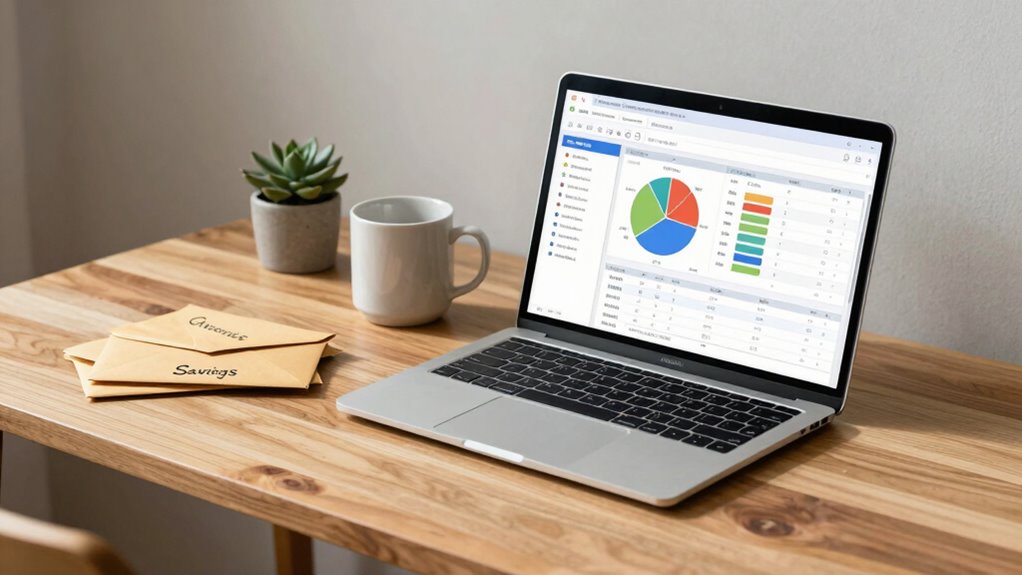

Traditional budget categories often don’t match your real-life spending habits or priorities, making budgeting feel restrictive or unhelpful. To create a no-guilt setup, focus on personalized categories that reflect what’s truly important—whether that’s hobbies, wellness, or specific goals like debt payoff. Adjust these categories as your life changes, and practice mindful spending to stay balanced. Want to learn how to craft a flexible, guilt-free budget tailored just for you? Keep exploring!

Get everyday essentials delivered free with Prime
- Fast, free delivery on millions of items
- Prime Video, Amazon Music and more included
- Member-only deals all year
Key Takeaways
- Customize categories to mirror your actual spending habits and personal goals for more relevant financial planning.
- Incorporate flexible, no-guilt categories like hobbies or entertainment to promote balanced enjoyment and savings.
- Regularly review and adjust categories to stay aligned with life changes and evolving priorities.
- Address emotional triggers and avoid guilt by viewing indulgences as progress rather than failures.
- Use visual tools and targeted strategies to create a practical, sustainable budget that fits your unique lifestyle.
As an affiliate, we earn on qualifying purchases.
Why Traditional Budget Categories Don’t Fit Your Life

Traditional budget categories often assume a one-size-fits-all approach that doesn’t reflect how most people actually spend or think about their money. They can limit your financial planning, making it harder to prioritize what truly matters. These rigid categories may force you to lump diverse expenses together, ignoring your unique financial goals or debt management needs. If you’re trying to pay down debt or save for specific priorities, traditional labels might feel restrictive or irrelevant. Instead, a flexible approach helps you adapt your budget to real-life spending habits, allowing you to better manage debt and plan for future expenses. Recognizing that these standard categories often fall short is the first step toward creating a personalized budget that aligns with your financial reality. Incorporating customizable categories can help you better reflect your actual spending patterns and priorities.
How to Create No-Guilt Budget Categories That Work for You

Creating no-guilt budget categories starts with identifying what truly matters to you without feeling restricted or judged. Focus on your emotional spending triggers and savings priorities, so your categories reflect your values. For example, you might prioritize travel, hobbies, or self-care. Use the table below to visualize how you can balance these areas:
| Category | Emotional Spending Focus | Savings Priorities |
|---|---|---|
| Entertainment | Enjoyment without guilt | Emergency fund buildup |
| Personal Development | Investing in growth | Retirement savings |
| Hobbies | Relaxation and joy | Long-term goals |
| Self-Care | Mental and physical health | Health savings accounts |
This approach keeps your budget realistic and guilt-free, aligning spending with what truly matters. Additionally, incorporating Free Floating elements into your budget can help you adapt to changing priorities and maintain flexibility. Recognizing that budget flexibility is essential for sustainable financial habits can make it easier to stay committed without guilt, especially when you understand how sleep comfort influences overall well-being and stress levels. Moreover, practicing mindful spending can enhance your emotional well-being by fostering awareness and intentionality around your financial choices. Developing a mindful approach to your budget can further support emotional well-being by reducing unnecessary guilt and promoting positive financial habits.
Practical Budget Categories for Different Lifestyles

No two lifestyles are exactly the same, so your budget categories should reflect your unique routines and priorities. If you love cooking, consider allocating funds for custom meal planning, which helps you enjoy nutritious, tailored meals without guilt. For hobby enthusiasts, hobby budgeting ensures you can indulge in your passions—like photography, gardening, or gaming—without overspending. If you work remotely, you might include home office expenses, while active individuals may prioritize fitness and outdoor gear. Students or travelers might set aside funds for educational supplies or travel costs. Tailoring your categories keeps your budget relevant, flexible, and sustainable. Understanding your specific lifestyle needs can help you develop more targeted and effective budgeting strategies. Incorporating regional cultural activities, such as local art exhibitions or festivals, can also enhance your budget to support your social and cultural interests, making your financial planning more personalized and meaningful. Additionally, aligning your budget with AI-powered productivity tools can help you track expenses more efficiently and stay on course.
How to Stay Consistent and Guilt-Free With Your Budget

Sticking to your budget can feel challenging, but staying consistent and guilt-free becomes easier when you focus on flexibility and mindset. Recognize that emotional spending can be a common overspending trigger, especially during stressful or emotional times. Instead of blaming yourself, view these moments as opportunities to learn about your triggers and adjust your approach. Allow room for small indulgences without guilt, which helps prevent feelings of deprivation. Remember, your budget isn’t about perfection; it’s about progress and balance. When you notice yourself overspending, pause and reflect on what prompted it. Cultivating a compassionate mindset and understanding your emotional spending patterns can improve your financial well-being by incorporating practices like mindful spending and setting realistic goals. Understanding that smart indoor gardens can be a cost-effective way to enjoy fresh produce year-round can help you make budget-friendly choices. Additionally, exploring alternative spending strategies, such as prioritizing needs over wants, can support a guilt-free approach. Recognizing the importance of flexible budgeting allows you to adapt your financial plan to real-life situations without guilt. Making room for affordable options and understanding the importance of balance can turn your budget into a helpful tool rather than a source of stress.
Adjust Your Budget Categories Over Time as Life Changes

As your life evolves, so should your budget categories to reflect your changing priorities and circumstances. Regularly adjusting your categories gives you greater financial flexibility, ensuring your budget stays relevant and effective. When you experience major life events—like a new job, moving, or a family change—review your categories and customize them to fit your current needs. This flexibility helps prevent overspending in outdated areas and encourages saving for new goals. Keep an open mind about reallocating funds or creating new categories that better match your lifestyle. Remember, a budget isn’t set in stone; it’s a dynamic tool designed to support your financial well-being. By making small adjustments over time, you stay aligned with your goals and avoid feeling restricted or overwhelmed. Incorporating vetted categories ensures your budget remains practical and reliable as you adapt to life’s changes, especially when considering aviation training costs or other significant expenses.
Frequently Asked Questions
How Do I Handle Unexpected Expenses in My No-Guilt Budget?
When unexpected expenses hit, you should rely on your emergency fund to cover them without guilt. Keep expense tracking updated so you can quickly identify where your money’s going and adjust your budget if needed. Regularly contribute to your emergency fund, ensuring it’s ready for surprises. This way, you handle surprises calmly, stay on track, and maintain your no-guilt budget without stress.
Can I Include Savings Goals Within Flexible Budget Categories?
Did you know that 80% of people find flexible budgeting more effective? You can absolutely include savings goals within flexible budget categories. It allows you to prioritize savings without guilt, adapting as your income or expenses shift. By integrating savings into your flexible budget, you create a dynamic system that encourages consistent financial growth while still covering your essential needs. This approach makes saving feel natural and achievable.
What Tools or Apps Are Best for Tracking Non-Traditional Categories?
You should try budgeting apps like YNAB or Mint, which excel at expense tracking for non-traditional categories. These tools let you customize categories to fit your unique needs, making it easier to monitor flexible spending areas. With their intuitive interfaces, you can quickly see where your money goes, helping you stay on top of all your financial goals without guilt. They’re perfect for tracking expenses beyond standard budgets.
How Often Should I Review and Adjust My Budget Categories?
Think of your budget as a living garden that needs tending. You should review it monthly to catch weeds and add new plants, ensuring it stays healthy. During your budget review, assess if your categories grow or need pruning. Make category adjustments as needed, especially when your spending habits shift or life changes. Regularly tending your budget keeps your financial landscape lush and thriving, avoiding overgrowth or neglect.
How Do I Balance Guilt-Free Spending With Financial Goals?
To balance guilt-free spending with your financial goals, practice mindful spending by tracking your expenses and recognizing emotional budgeting triggers. Allow yourself small, guilt-free splurges that align with your priorities, so you stay motivated without guilt. Set clear limits for discretionary spending and revisit your goals regularly. This approach helps you enjoy your money responsibly while staying on track with your financial aspirations.
Conclusion
Remember, the key is tailoring your budget to fit your real life, not some idealized version. When you create no-guilt categories that genuinely reflect your habits and priorities, you’re more likely to stick with them long-term. Research shows that personalized budgets boost financial discipline and reduce stress. So, trust your instincts, stay flexible, and give yourself permission to adjust as your life evolves. Budgeting should serve you, not stress you out.
Columbus Day / Indigenous Peoples' Day Picks
long weekend sales
As an affiliate, we earn on qualifying purchases.