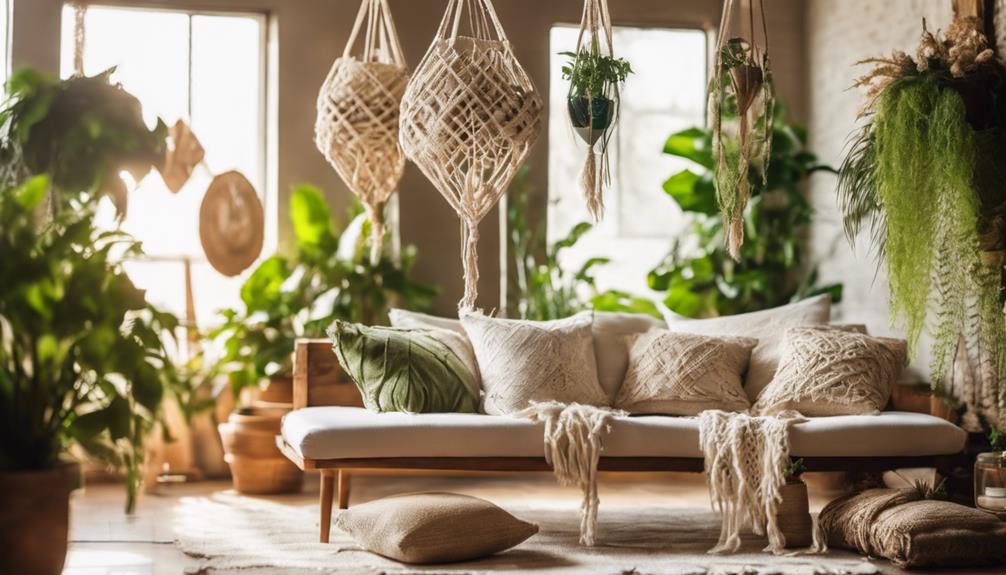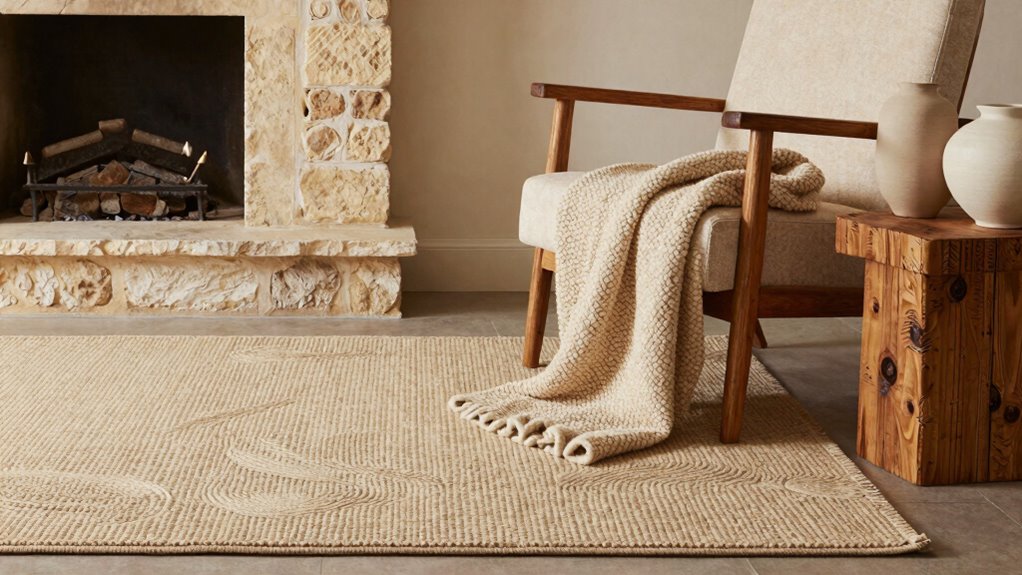

Textures can create more visual interest and depth in a room than color alone. When you use contrasting materials, you guide the eye across the space and reveal new details with each glance. Texture adds warmth, sophistication, and a layered atmosphere that colors often can’t achieve on their own. By focusing on material contrast and tactile qualities, you craft a space that feels dynamic and inviting. Keep exploring to discover how texture can elevate your design even further.

Get everyday essentials delivered free with Prime
- Fast, free delivery on millions of items
- Prime Video, Amazon Music and more included
- Member-only deals all year
Key Takeaways
- Texture creates visual depth and dimension, making a space more interesting without relying on color.
- Contrasting textures enhance perception and add richness, often more effectively than bold color choices.
- Texture influences the atmosphere, fostering coziness or sophistication through tactile and visual qualities.
- Variations in texture guide the eye and reveal new details, enriching the overall visual experience.
- Focusing on texture over color emphasizes material quality and craftsmanship, adding subtle complexity.
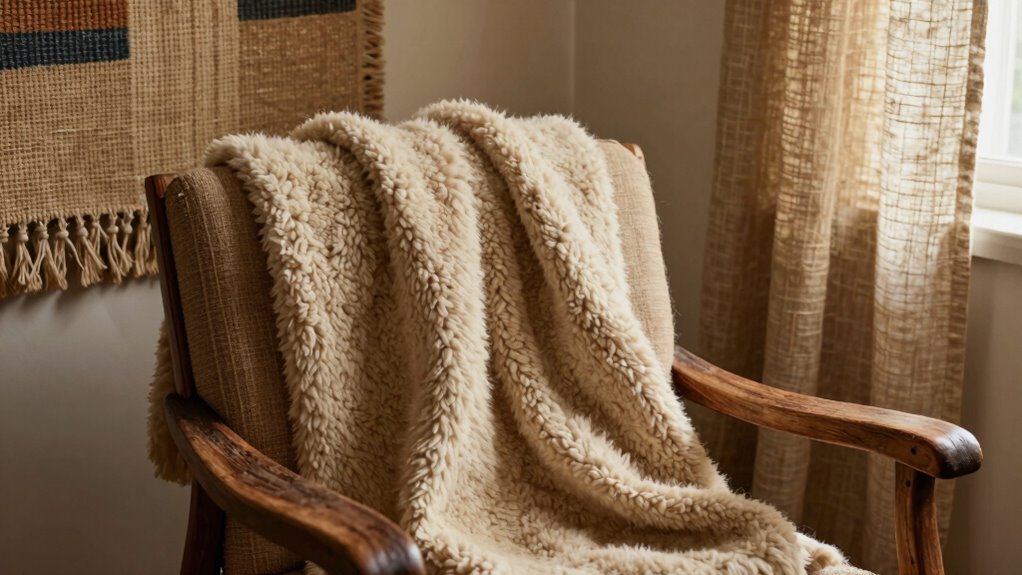
Have you ever noticed how some objects catch your eye not because of their color, but because of their texture? It’s the tactile quality that draws you in, creating a subtle yet powerful impact. When you focus on texture, you tap into material contrast, which can dramatically elevate a room’s visual appeal. Material contrast involves pairing different textures—smooth with rough, soft with hard—to create a layered look that feels rich and intentional. This contrast doesn’t just add variety; it guides your eyes across the space, revealing new details with every glance. It’s like a visual conversation where each element complements the next, making the entire room more engaging.
Texture also brings a sense of visual depth that color alone can’t achieve. While a monochromatic color scheme can be striking, adding varied textures introduces shadows, highlights, and illusions of dimension. Think of a plush velvet sofa next to a sleek, matte coffee table or a rough-hewn wooden beam against a smooth wall. These contrasting textures create depth by manipulating light and shadow, making flat surfaces appear more layered and dynamic. You don’t need vibrant hues to make a space feel alive—sometimes, the interplay of textures does the trick, making a room feel more inviting and multi-dimensional. Additionally, understanding how different textures interact can help you select appropriate materials that enhance your design goals.
In rooms where you want to emphasize sophistication or coziness, texture becomes your secret weapon. Soft, fuzzy rugs can soften the hardness of concrete floors, while textured wall coverings can add warmth and character without overwhelming the senses. When you combine different materials thoughtfully, you craft an environment that feels curated and deliberate. This approach allows you to focus on material contrast—using textures to highlight the uniqueness of each piece—rather than relying solely on color to create interest. As a result, your space gains a subtle complexity that keeps your eyes exploring rather than settling on a single point.
Ultimately, texture’s power lies in its ability to shape perception. It influences how you experience a room, making it feel more layered and alive. When you prioritize material contrast and embrace varied textures, you build a space that’s visually rich and emotionally resonant. It’s not about flashy colors or bold patterns; it’s about the quiet strength of texture that makes a room truly memorable. Recognizing the importance of material contrast can help you craft more dynamic and inviting spaces that stand out through their textured richness rather than color alone.
As an affiliate, we earn on qualifying purchases.
Frequently Asked Questions
How Do Textures Influence Room Acoustics?
Textures profoundly influence room acoustics by enhancing sound absorption, reducing echoes, and creating a cozy atmosphere. When you incorporate textured materials like rugs, curtains, or upholstered furniture, you improve sound absorption, making the space quieter and more comfortable. These textures also add visual warmth, making the room inviting. By balancing textures thoughtfully, you control acoustics while creating a visually appealing environment that feels both lively and relaxing.
Can Texture Choices Affect Indoor Air Quality?
Textures in your room can act like a magnet for airborne particles, which may worsen indoor air quality. Soft fabrics and plush surfaces trap dust, pet dander, and pollen, making cleaning more challenging. While they add visual and tactile warmth, they can also harbor allergens if not maintained properly. Choosing easier-to-clean textures helps reduce airborne pollutants, ensuring healthier air and less frustration during your cleaning routine.
What Textures Are Best for Allergy-Sensitive Rooms?
For allergy-sensitive rooms, choose textures made from hypoallergenic materials like tightly woven fabrics, smooth wood, or non-porous surfaces. These textures minimize dust and allergens, offering tactile comfort without trapping irritants. Avoid shaggy or plush textures that can harbor dust mites. Instead, opt for sleek, easy-to-clean surfaces that promote a healthier environment. Your goal is to balance tactile comfort with allergen reduction, creating a space that’s both cozy and safe.
How Does Texture Impact Perceived Room Size?
Imagine a Victorian parlor—texture influences perceived room size by adding tactile comfort and visual depth. When you use varied textures, it creates layers that make the space feel larger and more inviting. Smooth, glossy surfaces reflect light, expanding the room, while soft, matte fabrics add coziness. Your eye perceives depth and dimension, so choosing the right textures can transform a small room into a more spacious, comfortable haven.
Are Textured Surfaces More Durable Than Painted Walls?
Textured surfaces often offer better wall durability and surface resilience compared to painted walls. You’ll find that textures like brick, stone, or textured wallpaper can withstand everyday knocks and scratches more effectively. Painted walls, while easier to refresh, tend to be less durable over time and may show wear faster. So, if you’re after long-term resilience, textured surfaces can be a smarter choice for maintaining your walls’ appearance.
Conclusion
Remember, sometimes it’s the touch and feel of a room that makes it truly inviting, not just the colors you see. Texture adds depth, warmth, and personality, turning a simple space into a cozy retreat. Don’t overlook it—because in the end, it’s often the little details that make all the difference. When designing or decorating, focus on textures; they’re the secret ingredient that helps your room stand out and feel just right.
Halloween Picks
halloween
As an affiliate, we earn on qualifying purchases.