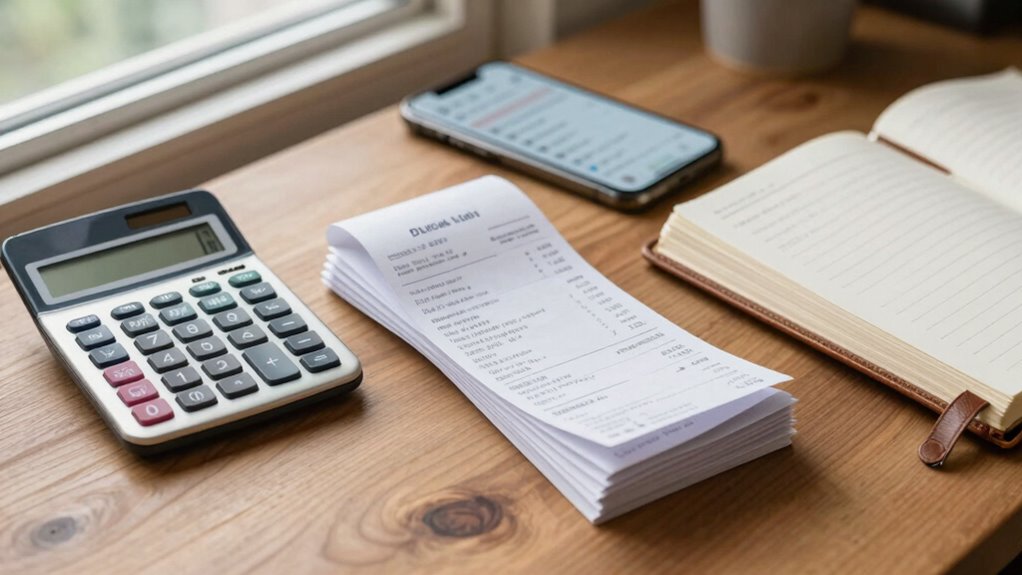

Before making a big purchase, pause and ask yourself why you want it—is it a genuine need or just emotional craving? Set a clear budget, including all extra costs, and compare prices to guarantee good value. Consider waiting days or weeks to see if the desire persists. Explore alternatives or lower-cost options, and think about how this purchase fits with your financial goals. If you want to learn more about making thoughtful decisions, keep exploring these strategies.

Get everyday essentials delivered free with Prime
- Fast, free delivery on millions of items
- Prime Video, Amazon Music and more included
- Member-only deals all year
Key Takeaways
- Assess if the purchase aligns with your long-term financial goals and priorities.
- Pause to evaluate whether the desire is driven by genuine need or fleeting emotion.
- Set a specific budget for big purchases, including all additional costs, before committing.
- Compare options and wait a few days to see if the desire persists.
- Consult trusted friends or advisors to gain perspective and ensure the purchase is financially sound.

Making a big purchase can feel overwhelming, but approaching it with a clear plan can make all the difference. When you’re considering splurging on luxury items, it’s easy to get caught up in the excitement and let emotional spending take over. That rush of buying something shiny and desirable can blur your judgment, pushing you to ignore your budget. To keep your finances on track, you need to step back and evaluate whether the purchase aligns with your long-term goals or if it’s driven by fleeting feelings.
Approach luxury purchases with a plan to avoid emotional spending and stay aligned with your long-term goals.
Before you make a decision, ask yourself why you want this item. Are you craving it because it genuinely brings value to your life, or because it makes you feel good in the moment? Luxury items often carry emotional weight—they’re symbols of success, comfort, or reward. Recognizing this helps you understand whether your desire stems from a genuine need or simply emotional spending. If it’s the latter, pause and consider if the feeling will pass or if you’re trying to fill an emotional gap. This reflection can save you from impulse buys that might derail your budget.
Next, set a clear budget for big purchases before you even start shopping. Determine how much you’re willing to spend and stick to that limit. Include all related costs, like taxes or maintenance, so you’re not surprised later. When you’re in the store or browsing online, compare prices and think about whether the item truly offers value for its price. If it’s a luxury item, ask yourself if it’s worth the investment or if you’re just drawn to the status it conveys. Sometimes, waiting a few days or weeks can help you decide if the desire remains strong or diminishes over time. A thoughtful approach can prevent impulsive decisions rooted in emotional spending. Additionally, understanding the psychology of spending can help you recognize patterns of emotional decision-making and build healthier habits. Being aware of emotional triggers that prompt impulsive purchases can further empower you to control impulses and avoid buyer’s remorse.
It’s also a good idea to explore alternatives. Can you find a similar item at a lower price? Is there a less expensive version that still meets your needs? This approach keeps you grounded and prevents unnecessary overspending. Remember that big purchases don’t have to be rushed. Giving yourself time to think prevents impulsive decisions rooted in emotional spending. Additionally, understanding the emotional weight behind luxury items can help you stay mindful of your spending habits and make more intentional choices. Recognizing the psychology of spending can further empower you to control impulses and avoid buyer’s remorse.
Finally, think about how this purchase fits into your bigger financial picture. Will it bring happiness without causing stress? Or will it strain your budget and cause regret? If you’re unsure, consult with a trusted friend or financial advisor. Thinking critically about luxury items and recognizing emotional spending habits can help you make smarter choices that serve your goals, rather than derail your budget.
budget planner for big purchases
As an affiliate, we earn on qualifying purchases.
As an affiliate, we earn on qualifying purchases.
Frequently Asked Questions
How Do I Prioritize Multiple Big Purchases Simultaneously?
To prioritize multiple big purchases simultaneously, start by evaluating each item’s importance and urgency. Use saving strategies like setting aside specific funds for each purchase. Consider purchase timing—spread out your big buys so they don’t overlap financially. Create a list ranking items based on necessity and affordability, then tackle the most critical or urgent ones first. This approach helps you stay organized and ensures your budget stays intact.
What Common Mistakes Do People Make When Planning Large Expenses?
They say “look before you leap,” and that’s essential for big expenses. People often make the mistake of falling into emotional spending or impulsive buying, which clouds judgment. You might rush into a purchase without fully considering its impact on your finances. Always pause to evaluate whether the expense aligns with your goals, and resist the urge to buy on impulse—this keeps your budget intact and prevents regret later.
How Can I Negotiate Better Deals on Big Purchases?
To negotiate better deals on big purchases, start with thorough price comparison from different sellers to understand the market. Use negotiation tactics like asking for discounts, mentioning competitors’ offers, or requesting added value. Stay confident and patient, and don’t be afraid to walk away if the deal doesn’t meet your expectations. This approach shows you’re informed and serious, often prompting better offers and savings.
When Is the Right Time to Make a Large Purchase?
You should make a large purchase when the timing considerations align with your financial stability and emotional readiness. Imagine waiting for a perfect wave—timing is everything. If you’re emotionally prepared and your finances are in good shape, it’s the right moment. Avoid impulsive buys during emotional highs or lows; instead, wait until you’re calm and confident, ensuring your decision supports your long-term financial goals.
How Do Big Purchases Impact Long-Term Financial Goals?
Big purchases can impact your long-term financial goals by diverting funds from essential areas like your emergency fund or investment strategies. When you make a big purchase, you might delay contributions to retirement accounts or reduce savings for future needs. To stay on track, plan big expenses carefully, make sure your emergency fund is solid, and consider how the purchase aligns with your overall financial growth.
Conclusion
Thinking carefully about big purchases isn’t just smart—it’s empowering. When you weigh the true value and wait for the right moment, you often find that impulse buys lose their grip. Some say big purchases are a test of self-control, but they’re really an opportunity to reinforce your financial confidence. Trust in your ability to make thoughtful choices, and you’ll discover that your budget isn’t a cage, but a tool for building the life you want.
Fall Picks
fall essentials
As an affiliate, we earn on qualifying purchases.