
Soft minimalism creates warm, inviting spaces using cozy textures, muted colors, and tactile materials, making you feel comfortable and relaxed. Cold minimalism, on the other hand, features sleek lines, high contrast, and smooth surfaces, giving a more sterile, disciplined vibe that can feel distant. The atmosphere you experience depends on textures and colors, with soft styles emphasizing warmth and cold styles highlighting clarity. Keep exploring to discover how these styles can shape your perfect environment.

Get everyday essentials delivered free with Prime
- Fast, free delivery on millions of items
- Prime Video, Amazon Music and more included
- Member-only deals all year
Key Takeaways
- Soft minimalism uses warm, muted tones and tactile textures to create cozy, inviting spaces; cold minimalism favors stark contrasts and sleek surfaces for a clinical feel.
- Soft minimalism emphasizes comfort, softness, and natural materials, while cold minimalism prioritizes clarity, precision, and modern materials.
- Soft style fosters a welcoming atmosphere with plush fabrics and gentle colors; cold style emphasizes visual sharpness with monochrome palettes.
- Soft minimalism aims for a retreat-like ambiance, whereas cold minimalism offers functional, disciplined environments.
- Texture and material choices are central, with soft minimalism focusing on tactile softness and cold minimalism on smooth, polished surfaces.
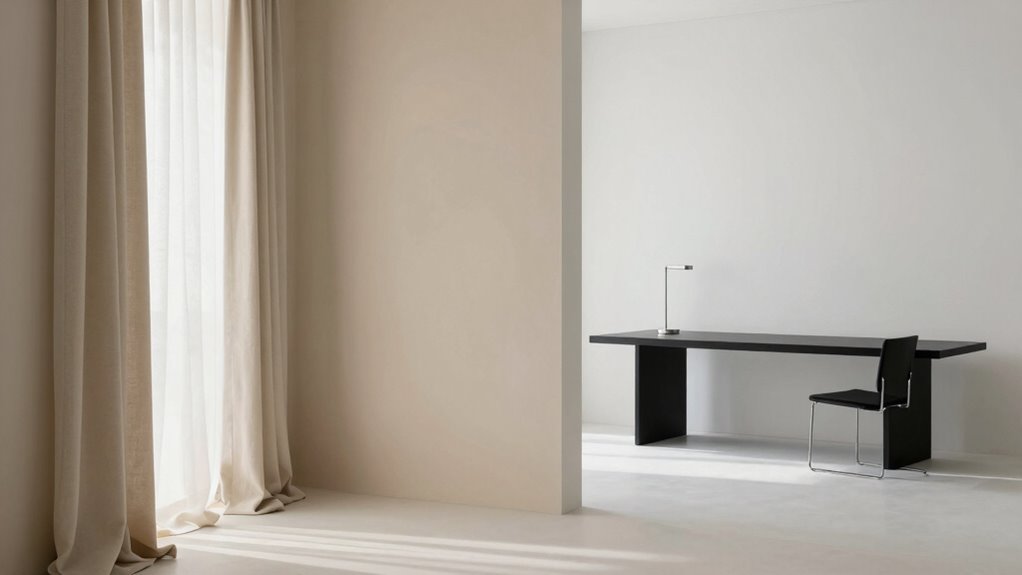
Have you ever wondered how minimalism can evoke such different moods? It’s fascinating how two styles, both rooted in simplicity, can feel worlds apart. When you explore soft minimalism, you’re likely drawn to spaces that feel inviting and cozy, where textures and colors work together to create a sense of warmth. Think plush throws, natural wood finishes, and tactile fabrics that invite you to touch and settle in. The color palette leans toward muted, soothing tones—soft beiges, gentle grays, pastel accents—that evoke calmness without feeling sterile. These choices aim to foster comfort, making your space seem less like a showroom and more like a retreat.
In contrast, cold minimalism takes a starkly different approach. Here, the focus shifts to sleek, clean lines and a restrained use of materials. The textures are often smooth and unembellished, like polished concrete, glass, or metals, which emphasize clarity and precision. The color palette tends toward monochrome or high-contrast combinations—black, white, and shades of gray—creating an atmosphere that feels more clinical or detached. This style emphasizes form over warmth, prioritizing function and visual clarity. The absence of tactile softness can make a room seem distant or uninviting, which might appeal if you prefer a sense of order and discipline over cozy comfort. Understanding the aesthetic principles behind each can also help you appreciate how each style influences our perception of space and environment.
Additionally, material choices play a crucial role in shaping the mood and character of each minimalism style, further highlighting the differences in atmosphere. Ultimately, your preference depends on what kind of atmosphere you want to create. Soft minimalism wraps you in a gentle embrace, emphasizing tactile and visual comfort. Cold minimalism, on the other hand, sharpens your senses and highlights simplicity’s stark beauty. By understanding how textures and color palettes influence mood, you can craft a space that truly reflects your inner vibe—whether that’s warm and inviting or cool and focused. Recognizing these design principles allows you to intentionally select elements that align with your desired ambiance.
soft minimalism cozy throw blankets
As an affiliate, we earn on qualifying purchases.
As an affiliate, we earn on qualifying purchases.
Frequently Asked Questions
Can Soft and Cold Minimalism Be Combined in One Space?
Yes, you can combine soft and cold minimalism in one space. By using texture contrast—like plush fabrics alongside sleek surfaces—you create a balanced environment. This blend enhances the emotional impact, making the space feel both inviting and modern. Carefully selecting warm accents and cool monochromes helps you merge the styles seamlessly, resulting in a harmonious space that feels both cozy and sophisticated.
Which Minimalism Style Is More Suitable for Small Apartments?
When it comes to small apartments, soft minimalism is your best bet. It creates a cozy, inviting space with minimalist textiles and decorative accents that add warmth without clutter. Think of it as a gust of fresh air that makes your apartment feel larger and more welcoming. Cold minimalism might feel too stark, but soft minimalism balances simplicity with comfort, making your small space feel just right.
How Do Color Choices Influence the Mood in Minimalism?
Color choices greatly influence the mood in minimalism by tapping into color psychology and emotional impact. You can choose soft, muted tones like pastels to create a calming, inviting space, or opt for bold, stark colors for a more energizing atmosphere. Your selections help set the tone, making your environment feel either warm and cozy or sleek and modern. In minimalism, strategic color use enhances simplicity while evoking specific feelings.
Are There Specific Furniture Styles Associated With Each Minimalism Type?
You’ll notice that soft minimalism often features furniture with natural materials like wood and plush fabrics, creating a warm, inviting feel. Cold minimalism favors sleek, industrial pieces with metal or glass, emphasizing clean lines and stark simplicity. Your decor accessory choices also differ, with soft minimalism incorporating cozy textiles and organic shapes, while cold minimalism prefers minimal, geometric accessories. These styles guide how you select furniture and decorate your space.
How Do Maintenance and Cleaning Differ Between the Two Styles?
You’ll find maintenance and cleaning differ based on textural contrast and material durability. Soft minimalism, with plush fabrics and gentle textures, requires regular vacuuming and gentle cleaning to keep surfaces fresh. Cold minimalism, emphasizing sleek, durable materials like metal and glass, needs less frequent cleaning but demands careful handling to avoid scratches. Overall, soft styles need more delicate care, while cold minimalist spaces are easier to maintain due to their sturdy materials.
Conclusion
Think of soft minimalism as a cozy cottage—warm, inviting, with gentle hues that comfort your soul. Cold minimalism, on the other hand, is like a sleek, modern skyscraper—sharp, pristine, and distant. Both stand tall in their own right, but your choice shapes your space’s story. Whether you prefer the welcoming glow or the cool elegance, remember, your environment reflects who you are. Choose the style that feels like home to you.
Halloween Picks
halloween
As an affiliate, we earn on qualifying purchases.