
Using the tape-on-the-floor technique in sectional planning helps you break down large projects into clear, manageable segments. With physical tape marking boundaries, you’ll easily visualize each part’s scope, keeping you organized and focused. It also encourages early stakeholder involvement and helps spot issues before they escalate. This strategy simplifies project management, reduces confusion, and prevents last-minute regrets. Keep exploring to discover how harnessing this simple trick can transform your planning approach.

Get everyday essentials delivered free with Prime
- Fast, free delivery on millions of items
- Prime Video, Amazon Music and more included
- Member-only deals all year
Key Takeaways
- The tape-on-the-floor technique visually defines project sections, reducing confusion and ensuring clear boundaries for each task.
- It promotes early stakeholder engagement by illustrating project scope and progress visually.
- Using physical markers helps identify potential issues early and reallocates resources proactively.
- Breaking projects into manageable zones prevents overwhelm and improves focus on quality control.
- This method enhances communication, accountability, and overall project success by simplifying complex tasks.
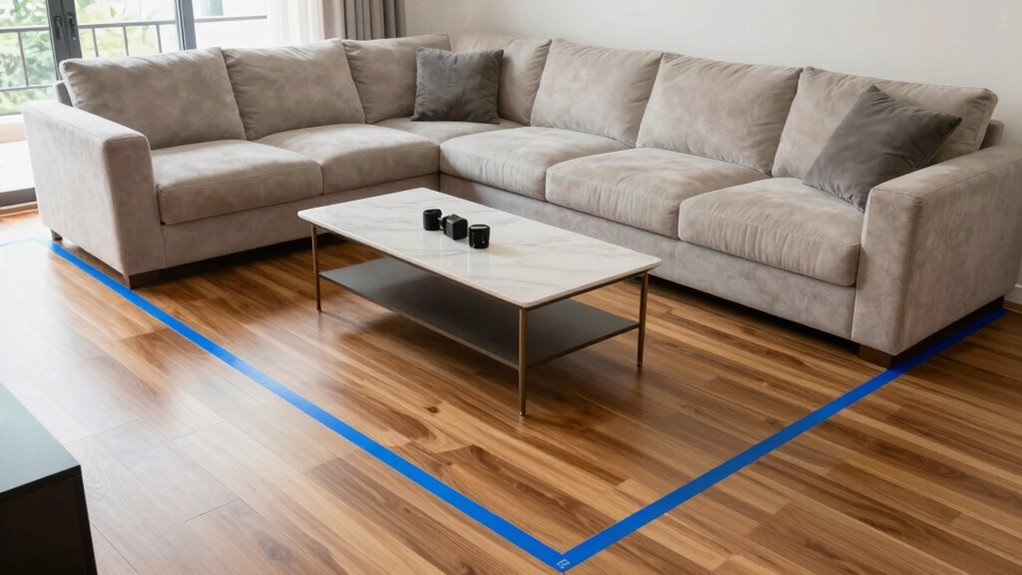
Have you ever wondered how large projects stay organized and on track? One effective method is sectional planning, which involves breaking down a project into manageable segments. This approach prevents you from feeling overwhelmed and helps guarantee every part is given proper attention. A simple yet powerful tool in this process is the tape-on-the-floor trick. By physically using tape to mark sections on the ground, you create clear boundaries that visually organize your workspace and tasks. This tangible division aids in visualization techniques, allowing you to see the scope and layout of each section at a glance. When everyone involved in the project can clearly see these boundaries, it becomes easier to coordinate efforts, allocate resources, and track progress without confusion or overlap.
Breaking projects into sections with tape on the floor boosts organization and teamwork.
Involving stakeholders early in the process is vital, and the tape-on-the-floor trick fosters stakeholder engagement. When team members, clients, or contractors see these physical markers, they develop a better understanding of the project’s scope and their specific responsibilities. This visual clarity invites input, encourages collaboration, and reduces misunderstandings because everyone is on the same page from the start. Engaging stakeholders through visual techniques like this also builds trust, as they witness tangible progress and organization firsthand. It makes discussions more productive because you can reference specific sections directly, avoiding vague or abstract conversations.
Furthermore, sectional planning with tape boundaries helps you anticipate potential challenges and adjust plans proactively. As you work within each designated zone, you can evaluate progress, identify bottlenecks, and reallocate efforts if needed. This segmented approach minimizes the risk of regret later, such as overlooking details or rushing last-minute work. It also simplifies project management because you can focus on one section at a time, ensuring quality and adherence to deadlines before moving on to the next.
Using tape on the floor isn’t just a visual aid; it’s a strategic tool that enhances clarity, accountability, and communication. It transforms a complex project into smaller, digestible parts, making the entire process less intimidating. When you implement sectional planning with this simple technique, you’ll find it easier to stay organized, involve stakeholders effectively, and keep your project progressing smoothly. Ultimately, it’s a straightforward method that helps prevent regrets caused by miscommunication or overlooked details, guaranteeing your project’s success from start to finish.
Additionally, understanding the importance of stakeholder engagement and clear boundaries can significantly improve project outcomes and reduce the likelihood of costly mistakes.
floor marking tape for project planning
As an affiliate, we earn on qualifying purchases.
As an affiliate, we earn on qualifying purchases.
Frequently Asked Questions
How Do I Choose the Right Tape for Different Flooring Types?
To select the right tape for different flooring types, consider adhesive strength and tape durability. For delicate surfaces like hardwood or tile, opt for painter’s or masking tape with gentle adhesive that won’t damage the finish. For more durable flooring like concrete or laminate, use heavy-duty painter’s tape or duct tape with stronger adhesive and higher durability. Always test a small area first to verify the tape doesn’t cause any damage.
Can Sectional Planning Be Used for Outdoor Spaces?
Yes, you can definitely use sectional planning for outdoor spaces. It helps you visualize the layout, make seasonal adjustments, and accommodate material durability. By outlining sections with tape, you guarantee your outdoor furniture fits comfortably, withstands weather changes, and remains functional year-round. This simple method keeps your design organized, flexible, and visually clear, making outdoor planning just as effective as indoor arrangements.
What Are Common Mistakes to Avoid During Tape Application?
To avoid common mistakes during tape application, guarantee proper surface preparation by cleaning and drying the area thoroughly, which improves tape adhesion. Avoid stretching the tape or pulling it too tight, as this can cause peeling or bubbles. Also, don’t rush the application—press firmly and smooth out any wrinkles or air pockets for a clean, long-lasting line. Proper prep and careful handling keep your tape in place and looking professional.
How Long Does Tape-On-The-Floor Planning Typically Last?
You can expect tape-on-the-floor planning to last for a few days to a week, depending on your room size and tape durability. Larger rooms may require more adjustments, so plan to monitor the tape regularly. Use high-quality, durable tape to extend its lifespan, and avoid heavy foot traffic or moisture which can cause it to peel or shift. This way, your layout stays intact during your planning phase.
Is This Method Suitable for Large or Complex Room Layouts?
You’ll find the tape-on-the-floor trick is quite adaptable for large or complex room layouts, but keep in mind scale adaptability can be challenging. It works well if you break down the space into sections, yet material limitations like tape durability may affect longer planning sessions. For very intricate designs, consider combining this method with digital tools to guarantee accuracy. This approach helps you visualize space effectively without overwhelming you.
Conclusion
By breaking your space into sections, you prevent overwhelm and future regrets. Imagine you’re redecorating your living room; instead of tackling the whole room at once, you focus on one area like the reading nook. Using tape to outline it helps you visualize the change and avoid costly mistakes. This simple trick keeps your planning focused, making your project smoother and more satisfying. Ultimately, sectional planning guarantees you enjoy your space without second-guessing your choices.
Halloween Picks
halloween
As an affiliate, we earn on qualifying purchases.